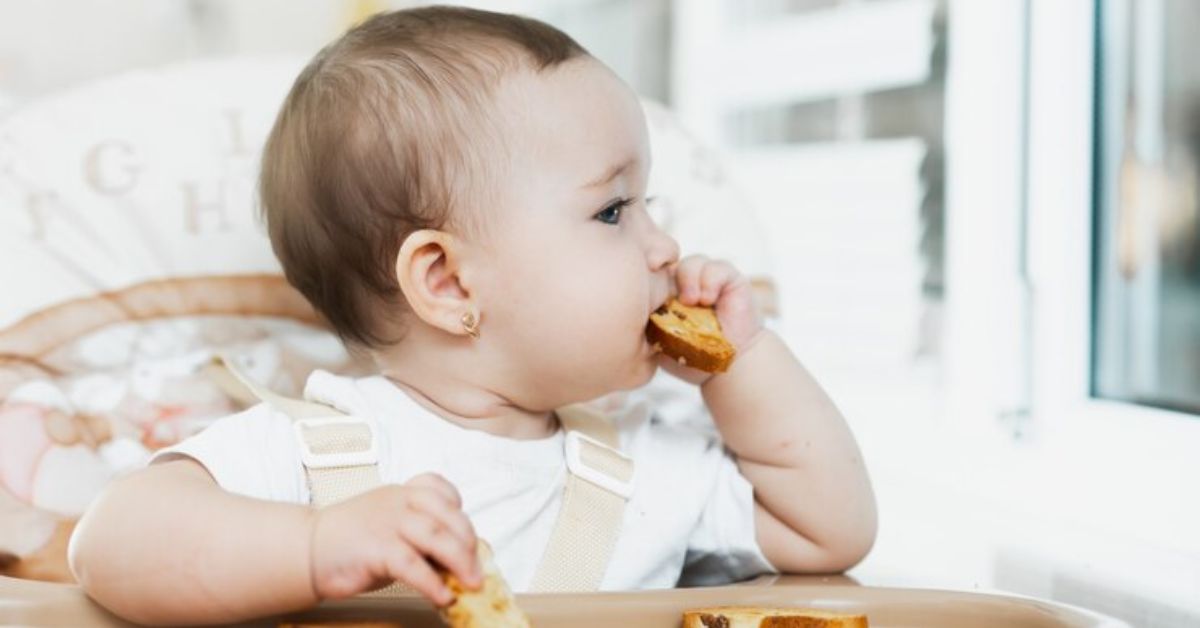
In the wondrous and intricate tapestry of childhood, every thread contributes to the rich pattern of growth and development. One of those threads, often eagerly anticipated by both infants and caregivers alike, is the introduction of solid foods. Nestled within this journey towards culinary exploration are baby puffs, enchanting little morsels that seem to beckon infants to embark on a new sensory adventure. But when can infants really eat puffs? This query entwines itself with developmental milestones, nutritional considerations, and the subtle signals that children emit as they transition from milk to solid fare.
To begin with, the introduction of puffs typically aligns with the age of approximately 6 to 12 months. However, it is not solely a matter of chronology; it is also deeply rooted in the infant’s individual development. Just as a flower blossoms at its own pace, so too do infants grow and acquire the necessary skills to handle new textures and flavors.
At around 6 months, most infants have the motor skills needed to start this journey. The ability to sit up independently, coupled with a reduced tongue-thrust reflex, signals a readiness for more than just liquids. Infants begin to show keen interest in their surroundings and may reach out for food in an attempt to engage with the world around them. If you’re lucky, you might observe that gleaming gaze that suggests they are probing for more than just a milk bottle—they are on the cusp of culinary curiosity.
As you introduce puffs, it is essential to consider the composition of these delightful snacks. Generally, puffs are designed to dissolve easily in the mouth, making them a safe option for infants. Look for brands that use wholesome ingredients and are devoid of artificial additives. Fortunately, the market offers an array of options—some infused with fruits and vegetables, adding colorful vibrancy and nutritional value. Opting for puffs that are organic can provide peace of mind, as they tend to be free from pesticide residues.
In the early days of introducing puffs, it is wise to take a gradual approach. Begin with a singular puff and observe your infant’s reaction. The initial experience can be likened to offering a blank canvas: each puff is an opportunity for delightful exploration. As your child picks up the puff, watch their dexterous fingers tentatively grasp the snack. This is both an exercise in fine motor skills and a precursor to self-feeding, a hallmark of independence. Encourage this behavior, for each little triumph brings with it a cascade of confidence.
Nevertheless, the first bites may evoke a mix of bewilderment and intrigue. Infants may fumble, drop, or even grimace at the novel texture. Such reactions are perfectly normal; the journey from breastfeeding or bottle-feeding to solid foods is often strewn with moments of hesitation. It is crucial to remain patient, allowing infants to explore their food at their own pace. Each puff consumed is a story waiting to unfold, a testament to their emerging capabilities.
As the weeks pass and your little one becomes more adept, the frequency of puff consumption can increase. Many caregivers introduce puffs as a tasty and engaging snack between meals, saturating the day with opportunities for exploration and learning. Just as the sun nurtures a sapling, your encouragement during this stage fosters not only culinary exploration but also the development of healthy eating habits that can last a lifetime.
Keep in mind, though, that the introduction of puffs should coincide with a diverse range of foods. Incorporating vegetables, fruits, and grains lays a robust foundation for a balanced diet. A child who has sampled various flavors and textures is more likely to embrace different foods as they grow. The world of tastes is vast and inviting, and exposing infants to this diversity enables them to become adventurous eaters.
Moreover, caregivers should remain vigilant regarding food allergies. Introduce new flavors one at a time and observe for any adverse reactions. This cautious approach ensures that any sensitivities are promptly identified. It is akin to navigating a scenic route through unexplored territory; each twist and turn requires careful observation and a willingness to adapt.
Once your infant masters the art of consuming puffs, the next tantalizing phase awaits— experimentation with self-feeding. Use puffs as a platform for this grand endeavor. Place puffs strategically in front of your little one, encouraging them to pick them up independently. This not only helps hone their motor skills but also instills a sense of achievement. Celebrate their victories, no matter how minute. A smile, a clap, or even a cheerful song will amplify their excitement.
In conclusion, the introduction of puffs to an infant’s diet embodies a pivotal intersection between nourishment and exploration. It is a playful invitation into the world of solid food, igniting curiosity and fostering a sense of independence. As you navigate this journey, remember that patience, observation, and encouragement are your guiding stars. Each puff is not merely a snack; it is a stepping stone toward a lifelong appreciation of food. So, embrace the messiness, the giggles, and the occasional fumbles—each moment is a brushstroke in the vivid portrait of your child’s culinary journey.






Leave a Comment