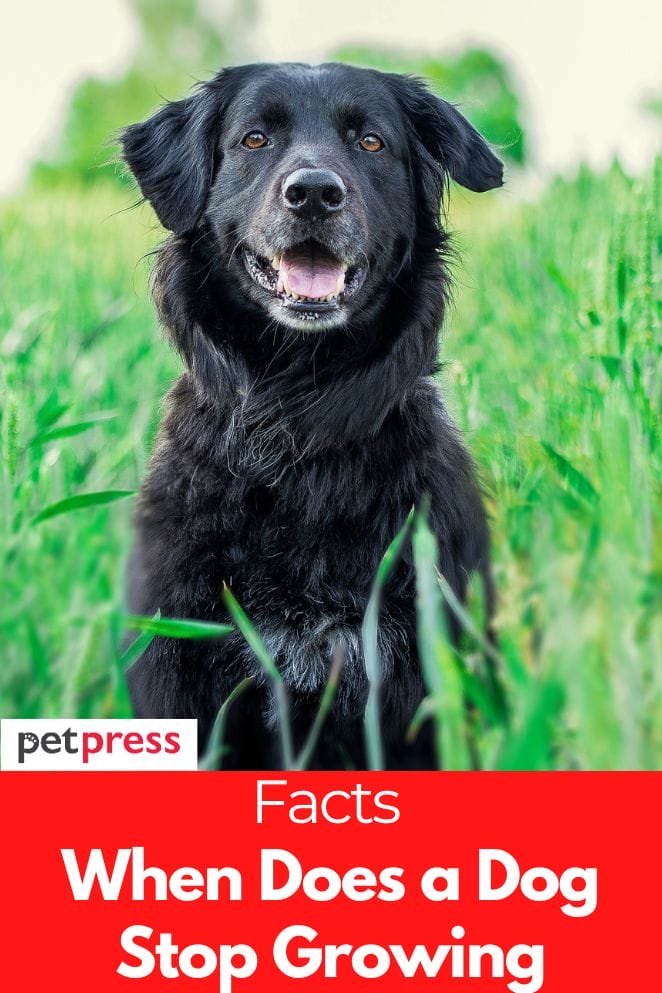
The journey of a dog’s growth captivates many pet owners and animal enthusiasts alike. There exists an undeniable intrigue surrounding the remarkably diverse canine species. From the tiniest Chihuahua to the massive Great Dane, each breed has its own growth trajectory. Understanding when a dog ceases to grow can unravel the mysteries behind their development, nutritional needs, and behavioral patterns. This article provides a comprehensive overview of canine growth, correlating age, breed size, and individual health factors.
1. The Canine Growth Timeline
Dogs exhibit distinct growth patterns based primarily on their breed classifications: small, medium, and large. Understanding these classifications provides insights into their growth timelines.
- Small Breeds: Breeds such as Dachshunds, Toy Poodles, and Chihuahuas reach their adult height and weight around 9 to 12 months. Small breeds tend to grow rapidly in their early months but will exhibit slowed growth rates as they approach maturity.
- Medium Breeds: Breeds like Beagles, Bulldogs, and Cocker Spaniels generally achieve their full size by 12 to 15 months. Their growth is typically more extended than that of small breeds, allowing them to develop further musculoskeletal strength.
- Large Breeds: Larger breeds, such as German Shepherds, Rottweilers, and Golden Retrievers, take the longest to mature. These breeds typically continue to grow until they are 18 months to 2 years old. For some giant breeds, like Great Danes and Mastiffs, the maturity phase can extend even longer, often plateauing around 2 to 3 years.
2. Factors Influencing Growth
Several variables contribute to the unique growth patterns of dogs. Among them, genetics, nutrition, and early-life experiences stand out.
- Genetics: The genetic blueprint inherent in each breed dictates not only the eventual size but also growth pace. Selective breeding has led to immense variation across breeds, shaping both their physical attributes and health predispositions.
- Nutrition: Proper nutrition remains paramount during a dog’s developmental phases. Puppies require a diet rich in protein, fats, and vitamins to foster healthy growth. Specialized puppy formulations help ensure that growing canines have the requisite nutrients necessary for optimal development.
- Health and Environment: The surroundings in which a pup is raised can substantially influence its growth trajectory. Stressful environments and illnesses can stymie proper growth, while supportive conditions and regular veterinary care enhance well-being.
3. Assessing Growth Plates
The role of growth plates—cartilaginous areas at the ends of bones—cannot be overstated during a dog’s growth phase. Growth plates remain open during development, allowing bones to elongate. Once a dog reaches maturity, these plates gradually close, signifying the end of vertical growth.
Veterinarians often utilize X-rays to assess the status of growth plates in dogs, particularly in large or giant breeds, where early closure might indicate underlying health issues. Monitoring these growth plates is vital to ensure that a dog is growing healthily, avoiding complications that can arise from premature closure or excessive growth.
4. Behavioral Correlates to Growth
The cessation of physical growth in dogs is often paralleled by behavioral maturation. As dogs transition from clumsy pups to self-assured adults, owners may notice changes in their demeanor and social interactions.
- Puppy Behavior: Adolescents exhibit exuberant behavior, often marked by playfulness and unrefined social skills. This youthful exuberance can lead to numerous mischiefs, such as excessive chewing or digging. Owners must remain patient as their canine companions learn appropriate behaviors.
- Adult Maturity: Once a dog reaches its full size, it generally calms down and displays more stable behavior. Adult dogs are often more adept at socializing, following commands, and exhibiting loyalty.
5. Beyond Physical Growth
It is essential to recognize that even after a dog has reached its full size, the journey of growth continues in other respects. Emotional and cognitive development remains an ongoing process. Dogs, like humans, continue to learn and adapt throughout their lives.
Investing time in training and socialization remains crucial. Engaging activities, such as agility training and obedience classes, can stimulate a dog’s mind, ensuring it remains active and content.
6. Final Thoughts
Understanding when a dog stops growing requires a multidimensional perspective that encompasses breed characteristics, genetics, health factors, and environmental influences. Each dog’s growth journey is unique. As dogs transition from playful puppies to majestic adults, their physical and emotional development becomes intricately woven into their identities.
This fascination with canine growth speaks to our deep connection with these loyal companions. Being aware of the elements that contribute to a dog’s growth enables owners to make informed decisions about their care and training. Ultimately, appreciating each stage of a dog’s development transforms the journey into a rewarding experience, deepening the bond between the pet and its family.







Leave a Comment