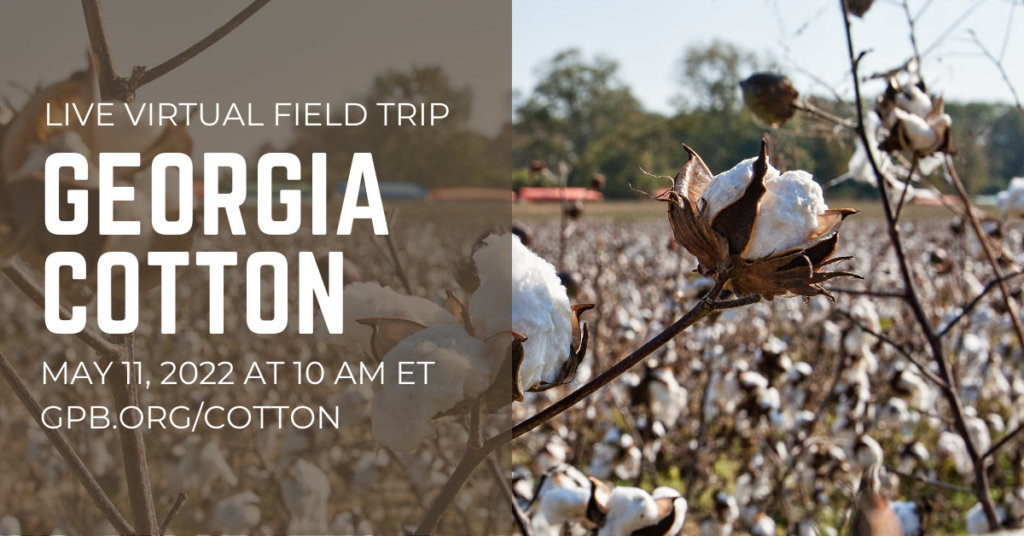
In the heart of the southern United States, Georgia emerges as a bastion of cotton cultivation, where woolly clouds of white blossom amidst the vibrant green landscape. The journey from seedling to full-grown plant is a narrative steeped in tradition and craftsmanship, revealing not just agricultural practices, but a way of life anchored in the soil. Understanding the timeline of cotton cultivation in Georgia unveils the intricate dance between nature and nurture that has defined this sweet southern staple.
The cotton growing season in Georgia is an intricate tapestry woven from seasonal rhythms, climatic conditions, and agricultural perseverance. Typically, the cotton cycle begins with the warming embrace of spring, heralding a season ripe with promise. Farmers eagerly await the last frost, which, in Georgia, typically occurs between mid-March and early April. This delicate moment acts as a pivotal juncture in the agricultural calendar, marking the time when the soil is deemed ready to accept cotton seeds.
Planting, which commences in late April and extends through early June, requires an astute awareness of soil temperatures and moisture levels. The ground must be warm—ideally reaching around 60 degrees Fahrenheit—before the seeds can be sown, akin to a cautious painter awaiting the perfect light to begin their masterpiece. Farmers strategically place seeds in well-prepared rows, ensuring they are nestled in fertile soil that will nurture them into robust plants. This phase is not merely a mechanical task; it is a sacred act of faith and optimism, as the farmers entrust their futures to the capricious whims of nature.
As the days grow longer and warmer, the nascent cotton plants emerge, tender green sprouts unfurling toward the sky. In this critical phase, known as germination, the seedlings pass through a transformative process. They absorb sunlight, water, and nutrients, robustly thrusting upwards in a testament to determination and growth. Often, it is during this time that the challenges of pests and inclement weather begin to surface, testing the resilience of the farmers whose livelihoods depend heavily on this crop.
By June, the fields are awash with rows of verdant plants swaying gently in the southern breeze—an ocean of green heralding the month of bloom. Flowering typically starts in late June or early July, when the cotton plants begin to produce their white blossoms, resembling delicate butterflies taking flight. This is a breathtaking spectacle, where the air fills with a palpable sense of anticipation, as each bud threatens the promise of a bountiful harvest. The flowering phase is a vital period that brings the concept of pollination to the forefront, as pollinators play a crucial role in the subsequent production of cotton bolls, the protective case encapsulating the precious fibers that have become synonymous with the Southern identity.
Following the ethereal blooms, the next chapter unfolds—the transition to the cotton boll stage. Spanning late July to early August, this critical phase witnesses the cotton bolls developing and maturing. These bolls will eventually burst open, releasing the coveted fluffy fibers that have been cultivated with care. Nature performs its artistry as the green bolls transform into soft, white clouds, a moment that could easily be likened to a magician unveiling their grand illusion. The anticipation builds, mirroring the tension of an opening night in a grand theatre.
As summer begins to wane, usually by late August through September, the cotton fields shift from vibrant green to a stunning display of white. Harvesting, which commences typically in mid-September and can last until early November, is a labor-intensive endeavor, as the shattered bolls reveal their treasure within. The rhythmic thrum of machinery echoes through the fields, transforming the delicate art of cotton gathering into a modern spectacle of efficiency. Yet, behind every harvest lies a story steeped in labor, tradition, and heritage—a reminder of the generations who have toiled in these very fields.
The culmination of this yearly cycle invites reflection, encapsulating not just the labor that goes into each season, but also a profound respect for the land and its resources. Georgia’s cotton, which represents much more than mere fiber, is a testament to resilience, innovation, and community spirit. With each passing year, the soil bears witness to myriad stories—of storms weathered, successes celebrated, and harvests gathered—all woven into the very fabric of Southern culture.
As Georgia prepares for another cycle of cotton cultivation, it stands at the intersection of tradition and innovation. The cultivation of cotton is a continuous story, one that must adapt to shifting climatic conditions, technological advancements, and the evolving agricultural landscape. Ultimately, Georgia is not just a place; it is a landscape alive with pulse and purpose, a narrative that thrives in the soil and reverberates through the lives of those it sustains.
In conclusion, the journey of cotton from seed to harvest in Georgia is an eloquent testament to nature’s cycles, characterized by diligent planning and the nurturing of life. The unique appeal of cotton farming in this region is woven into the very fabric of southern identity—an enduring legacy that honors the past while charting a course toward the future. From the budding seedling to the cotton-laden harvest, every phase of growth reflects an intimate connection between humanity and nature, reminding us that to cultivate is to care, and to harvest is to celebrate.











Leave a Comment