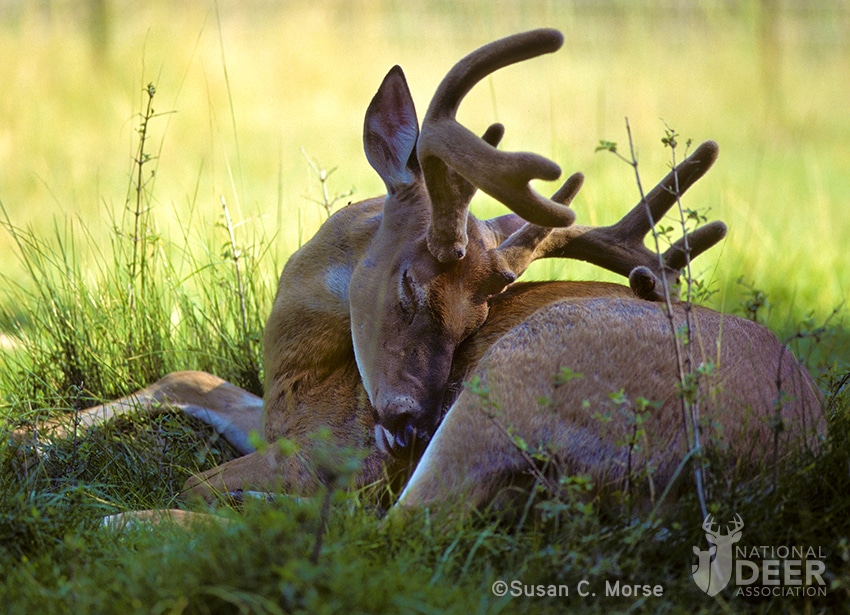
When one thinks of deer, images of serene meadows or dense woods often come to mind. However, the intricate world of deer extends far beyond mere grazing or frolicking in the open fields. One of the most intriguing aspects of their behavior is where they choose to sleep. Understanding the sleeping habits of deer not only heightens our appreciation for these graceful creatures but also reflects their adaptability and keen instinct for survival.
In this exploration of “Where Do Deer Sleep,” we shall delve into various aspects of their resting habits, their preferred habitats, the environmental factors influencing their sleep locations, and the pivotal role of these resting spots in their behavioral patterns. This discussion will culminate in an understanding of how these nocturnal and diurnal mammals have ingeniously tailored their sleep settings to maximize safety and comfort.
1. Myriad Habitats of Deer
Deer are not confined to a singular environment; instead, they inhabit a diverse array of ecosystems ranging from dense forests to sprawling grasslands. This versatility directly influences their sleeping habits. Various species, such as white-tailed deer and mule deer, showcase unique preferences shaped by their environments.
Forests and Woodlands
While majestic coniferous or deciduous forests offer ample cover from predators, they also provide a plethora of materials for creating resting areas. Within these woodlands, deer often seek out thickets or clearings shielded by brush, which offer both safety and comfort. The underbrush serves as a decadent bed of fallen leaves, moss, and grass, perfect for creating a soft resting spot, insulated from the chill of the forest floor.
Grasslands and Open Fields
In stark contrast to the aforementioned wooded locales, deer can also be spotted in meadows or open fields. Here, they generally select areas with tall grass or low shrubs that provide a measure of concealment from potential threats. During the day, when visibility is higher, they often bed down in dappled sunlight, relying on their keen senses to alert them to movement.
2. The Science of Sleeping: Time and Context
The time of day plays a significant role in deer sleeping habits. Unlike many predators that operate primarily during daylight hours, deer exhibit crepuscular behavior, meaning they are most active during dawn and dusk. As such, they tend to sleep during the hotter parts of the day, nestled in shaded areas—or they might retreat to the safety of dense cover during the night. This time-sensitive behavior allows them to navigate potential threats while conserving energy.
Daytime Sleeping Patterns
During daylight hours, deer prefer to engage in longer, uninterrupted sleep cycles. These periods can last from several minutes up to an hour, punctuated by brief alert phases to scan their surroundings. Their natural tendency to ellude predators drives them to choose denser cover while sleeping, ensuring they can quickly react if danger lurks nearby.
Nocturnal Observations
At night, while enjoying deeper sleep, deer are often prone to taking quick, sporadic naps amidst the shadows cast by moonlight. This is particularly fascinating, as some species have adapted to thrive in regions where nocturnal predators roam. Encounters with these night dwellers can be astonishing, allowing wildlife enthusiasts to capture photographs of deer in their serene nocturnal havens.
3. Factors Influencing Resting Spots
Various environmental factors contribute to the selection of sleeping locations among deer. These factors range from seasonal changes to the availability of food sources and the presence of predators.
Seasonal Influences
As seasons transition, so do the sleeping habits of deer. In winter, for instance, they tend to seek shelter in more sheltered locations to escape biting cold winds. Conversely, in spring and summer, they often gravitate towards areas rich in foliage for both camouflage and comfort. Their adaptability shines through, enabling them to thrive in varying conditions.
Food Availability
Nearby food sources also dictate where deer choose to rest. If there’s a bountiful forage patch, they might sleep in proximity, minimizing energy expenditure. This symbiotic relationship between resting locations and feeding areas ensures that deer can fluidly transition between eating and resting, maintaining a balanced lifestyle.
4. The Role of Social Structure in Sleeping Styles
Deer are social creatures and often bed down in groups, especially females with young fawns. These groupings offer not only warmth but also increased vigilance, as sentinels take turns watching for danger. This social structure allows deer to thrive, showcasing yet another layer in the complex tapestry of their behavior.
Fawn Sleeping Behavior
Fawns, particularly in their first few months, exhibit unique sleeping behaviors. They often lie close to their mothers while she takes a watchful stance, ensuring their safety. understanding this dynamic fosters a deeper appreciation for the instinctual patterns that guide their daily lives.
5. Conclusion: Insights into the Hidden Lives of Deer
By delving into the intricacies of where deer sleep, we unearth a world that is rich with complexity. Their selection of resting spots, guided by environmental factors, social structures, and seasonal changes, speaks volumes about their adaptability and survival instincts. Observing where deer rest not only allows for a glimpse into their lives but also invites us to nurture a deeper respect for the natural world around us. Next time you wander through the woods, consider pausing to reflect on the hidden realms of these elegant creatures, who find sanctuary among the trees and grasses, coexisting in harmony with the environment that cradles them.









Leave a Comment