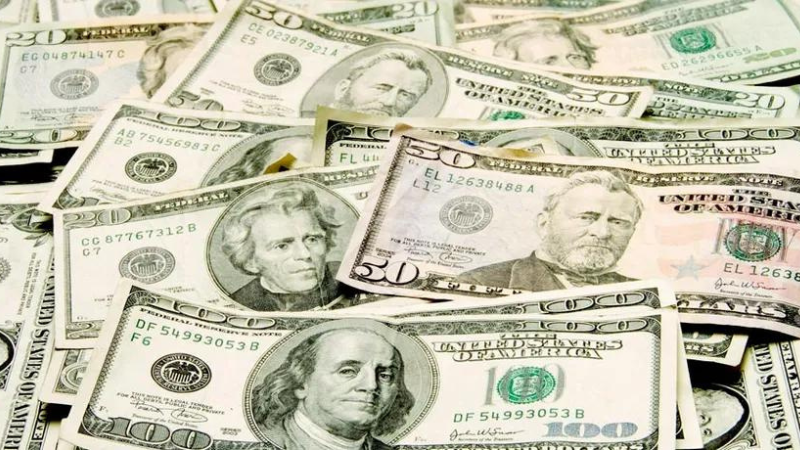
The dollar bill is not merely a piece of currency; it is a tapestry woven with historical significance, cultural narratives, and intricate designs. Among the various denominations, the one-dollar bill stands out prominently—not just for its value but for its emblematic representation of American history. At the forefront of this currency is none other than George Washington, the Founding Father of the United States. However, the exploration of the dollar bill transcends just the visage of Washington; it encapsulates a myriad of elements that together construct an enriching storyline about America itself.
The Iconic Figure: George Washington
As the first President of the United States, George Washington’s influence is palpable throughout American history. His visage adorns the obverse side of the one-dollar bill. This was a deliberate decision, as his leadership during the Revolutionary War and role in shaping the nation were pivotal. Washington’s image is not just a symbol of political authority, but a representation of the ideals of democracy, courage, and unity. His stance in the portrait, looking dignified and resolute, reflects the values of perseverance that defined the early years of the republic.
The Reverse Design: The Great Seal
On the reverse side of the one-dollar bill, one encounters the Great Seal of the United States, which resonates with deeper meanings. The central tenet of this design is the majestic bald eagle, symbolizing freedom and strength. It clutches a scroll inscribed with the Latin phrase “E Pluribus Unum,” signifying that out of many states, there is one nation. The shield on its breast represents the defense of the country. The thirteen stripes stand for the original colonies, while the thirteen stars above it signify the union’s aspiration towards perfection.
The Role of the Treasury
Every one-dollar bill is not simply a representation of George Washington but also a product meticulously crafted by the Bureau of Engraving and Printing. This agency plays a crucial role in ensuring the integrity and authenticity of U.S. currency. Each bill is loaded with protective features—watermarks, embedded security threads, and microprinting—to prevent counterfeiting. Understanding this process enriches one’s appreciation for the bill as it extends beyond just a monetary tool.
Cultural Significance and Usage
The one-dollar bill has served various purposes in the social fabric of the United States. It is often the currency of choice for tipping in establishments such as restaurants. A dollar can be perceived as a token of gratitude and generosity, embodying the spirit of goodwill among citizens. Moreover, the one-dollar bill has been an iconic prop in American cinema and popular culture, often used as a metaphor for aspirations, transactions, and even deceit.
Artistic Elements: A Closer Look
The dollar bill is an artistic composition in its own right, replete with intricate designs and meanings. The colors, predominantly green, symbolize stability and growth; the choice of ink is designed to withstand the test of time. The use of diverse fonts and stylized lettering conveys professionalism while adding uniqueness. Observing these details can enhance one’s appreciation for both artistry and functionality within monetary design.
International Perspectives
While the one-dollar bill is unmistakably American, its emblematic significance has transcended borders. The U.S. dollar is a prominent reserve currency, widely accepted in various countries and even used in international trade. This widespread adoption highlights the dollar’s role as not just a vehicle of domestic commerce but also a facilitator of global economic interaction. It becomes a canvas upon which countries paint their perceptions of the American ethos.
The Historical Evolution of the One-Dollar Bill
The journey of the one-dollar bill is as fascinating as its current form. Initially introduced during the Civil War, the greenback was designed to combat the financial strains that the war imposed. Throughout the decades, various designs emerged, reflecting different aspects of American history and culture. The transitional phases of the bill—from its paper origins to today’s modern materials—speak volumes about technological advances and the evolving needs of society.
Currency and Collecting: A Hobby for Many
For many enthusiasts, the one-dollar bill presents a wonderful opportunity for collection. Collector’s items, such as notes with unique serial numbers or errors in printing, can fetch considerable sums. This aspect of collecting can provide insight into American history, as individual bills often carry stories from their circulation. Understanding the unique characteristics of different series, types, and condition grading can significantly enhance the collecting experience.
Conclusion: The Currency of Conscience
In conclusion, the one-dollar bill encapsulates a myriad of narratives within its seemingly simple façade. From the iconic image of George Washington and the historical symbolism of the Great Seal to its role in everyday transactions and its artistic features, the dollar bill serves as more than just a means of trade. It is an emblem of national identity, heritage, and cultural evolution. Delving into its layers unveils stories that mirror America’s complex history, aspirations, and values, making the one-dollar bill a profound representation of a nation’s soul.










Leave a Comment