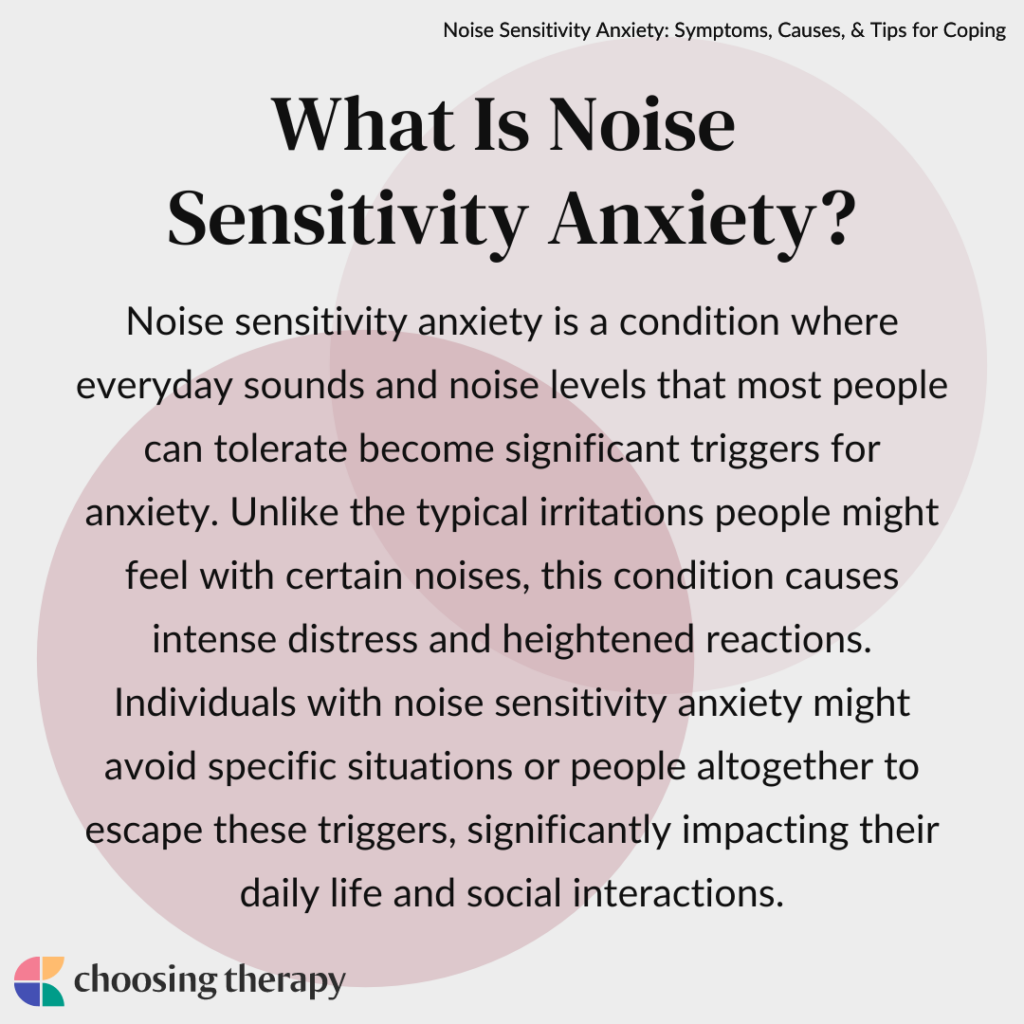
Have you ever found yourself in a clamorous environment, suddenly feeling overwhelmed by sounds that once seemed trivial? The kitchen hum of appliances, the rustle of leaves outside, or even the gentle chatter of friends can now seem to crescendo into an unbearable cacophony. This heightened sensitivity to noise, known clinically as hyperacusis, may arise unexpectedly and can evoke a myriad of emotions, ranging from irritation to anxiety. Understanding the underlying mechanisms and triggers of this phenomenon can be pivotal in managing it effectively. This exploration promises not only to shed light on the intriguing complexities of auditory perception but also to provide insights into the body’s interplay with the external world.
**Understanding Sensitivity: A Multifaceted Issue**
This sudden shift in noise sensitivity often leaves individuals pondering several questions. Why have sounds that once blended seamlessly into the background become stark and invasive? The answer resides in a delicate interplay of physiological, psychological, and environmental factors. Understanding these elements can provide clarity and direction for those grappling with this challenging experience.
**1. Physiological Factors**
At the core of increased auditory sensitivity lies our nervous system. The human ear is a sophisticated organ, capable of discerning a vast array of sounds, but it is also an integral part of the body’s response to stress. Conditions such as tinnitus, which often accompanies hearing loss, can exacerbate existing noise sensitivities. When the auditory system is compromised, the brain may heighten its sensitivity, causing even benign sounds to provoke discomfort.
Moreover, various medical conditions can manifest this sensitivity. Migraines and certain neurological disorders are notorious for their impact on auditory processing. When a migraine strikes, the aura can manifest as a heightened acuity to sound, turning everyday noises into jarring stimuli.
**2. Psychological Contributors**
It is essential to consider the psychological dimensions linked to auditory sensitivity. Stress and anxiety play prominent roles in altering one’s perception of sound. During times of emotional turmoil, the mind’s threshold for noise may diminish, rendering previously innocuous sounds intolerable. Stress activates the fight-or-flight response, making individuals more reactive to environmental stimuli, including noise.
Furthermore, conditions such as generalized anxiety disorder (GAD) or PTSD can heighten sensitivity to sound, weaving a troubling tapestry of fear and alarm in what may be an otherwise safe environment. Engaging with a therapist can foster understanding and coping mechanisms that can alleviate the distress associated with auditory overstimulation.
**3. Environmental Influences**
Our surroundings significantly shape our auditory experiences. Urban dwellers are often inundated with relentless noise. Sudden changes in one’s environment—be it moving to a busier area or experiencing significant life transitions—can heighten sensitivity. The introduction of unexpected ambient sounds can trigger an instinctive reaction, leading to discomfort.
In addition to physical surroundings, the company we keep can also play a role. When loved ones or pets exhibit behaviors that increase sound levels, it can magnify one’s sensitivity, transforming a relaxed gathering into an overwhelming experience. Understanding these external factors can provide relief by prompting modifications to one’s environment, whether it involves limiting exposure to certain sound sources or creating peaceful acoustic spaces.
**4. Lifestyle Considerations**
It is vital to acknowledge the role lifestyle plays in noise sensitivity. Factors such as sleep deprivation, chronic fatigue, and nutrition can influence auditory perception. Inconsistencies in sleeping patterns, for instance, can create a fragile state of being where sensitivity peaks. Aim to establish a consistent sleep routine, as restorative rest is fundamental in recalibrating the body’s responses to external stimuli.
Nutrition also holds sway over our auditory health. Diets rich in anti-inflammatory foods, such as omega-3 fatty acids, can alleviate some symptoms associated with hyperacusis. Ensuring a balanced intake of vitamins and minerals is paramount. Incorporate antioxidants that combat oxidative stress and may improve neural functioning, thus fostering a more stable auditory experience.
**5. Seeking Solutions: Strategies for Management**
As individuals navigate their new sensitivity to sound, exploring coping mechanisms becomes essential. Establishing a proactive approach can transform this overwhelming challenge into a more manageable aspect of life. Here are several strategies worth considering:
- Sound Therapy: Engage with sound therapy programs that utilize white noise or relaxing auditory stimuli. Gradually exposing the ears to varying sound frequencies can help recalibrate sensitivity.
- Meditation and Mindfulness: Implement mindfulness practices to cultivate inner calm. Learning to center oneself amidst noise can foster a more resilient reaction to overwhelming sounds.
- Environmental Adjustments: Create personal auditory sanctuaries—quiet rooms or noise-cancellation spaces where one can retreat during periods of overstimulation.
- Professional Guidance: For persistent issues, consulting audiologists or mental health professionals can provide tailored solutions for managing hyperacusis effectively.
**Conclusion: A New Perspective**
Experiencing an unexpected sensitivity to noise can be a perplexing and distressing journey. However, understanding the multifarious facets of this condition provides hope. By recognizing physiological and psychological influences, as well as environmental and lifestyle factors, individuals can reclaim agency over their auditory experiences. As we delve into the complexities of sound perception, a shift in perspective beckons: rather than merely enduring sensitivity, one can embrace strategies, seeking not just mitigation but a deeper understanding of oneself and the world. In this light, increased sensitivity transforms from an inconvenience into an invitation for growth and self-discovery, enabling a more profound relationship with the auditory tapestry of life.











Leave a Comment