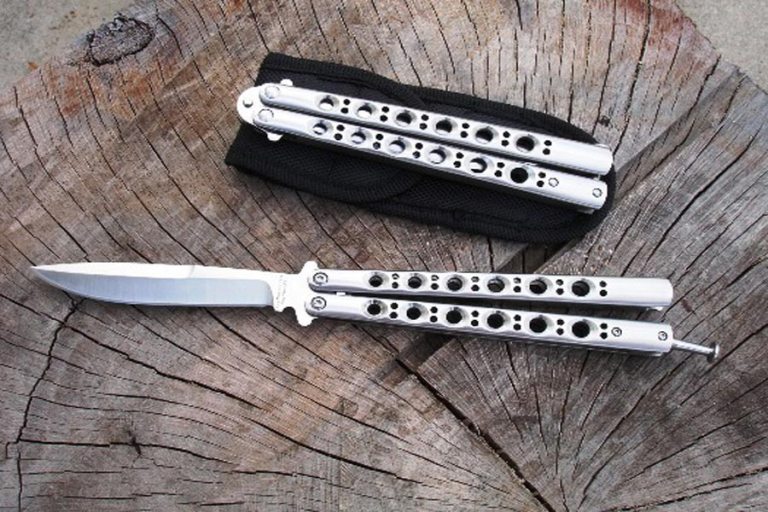
In the grand tapestry of the world of knives, butterfly knives, also known as balisongs, shimmer with a certain allure. Their dual-handled design, capable of unfolding in an elegant, fluid motion, not only invokes a sense of artistry but also harbors a darker reputation. The fact that these instruments are illegal in many regions raises intriguing questions about their chimeric nature. Why is it that something so mesmerizing can also be so perilous? Let us embark on an exploration of the complex web of legality, culture, and safety surrounding butterfly knives.
The Historical Context
The butterfly knife’s origins are steeped in rich folklore, tracing back to the Philippines where it is not merely a tool, but a symbol of heritage. Craftsmanship flourished as artisans dedicated their skills to perfecting the design, making it as much a piece of art as a weapon. However, their introduction to Western culture during the 20th century marked the beginning of a complicated relationship with governance and societal norms. As these knives transitioned from ethnic artifacts to provocative weapons, the narrative surrounding them began to evolve dramatically.
Societal Perceptions and Criminal Associations
In many urban landscapes, the butterfly knife has become synonymous with the rebellious spirit of youth gangs and subcultures. The same fluidity that makes these knives tantalizing for displays of dexterity is often perceived as a threat. As the butterfly knife flits through the air, so too do perceptions of danger flit through the minds of individuals witnessing its wielding. Media representations often paint a vivid picture; sensationalized news stories have contributed to the belief that these knives are inherently malicious tools rather than exquisite instruments.
Legal Frameworks: A Tapestry of Laws
The legality of butterfly knives is as varied as the cultures that embrace or scorn them. In some jurisdictions, they are outright illegal; in others, their status oscillates between permissible and heavily regulated. This patchwork of legality stems from varying attitudes towards weapons, public safety, and personal freedom. For instance, states within the U.S. have adopted disparate stances; while some celebrate the knife’s mechanical elegance, others fear the potential for misuse. Enforcement of these laws can further complicate the matter, leading to confusion among collectors, enthusiasts, and those simply seeking practical applications.
The Safety Conundrum
The primary rationale behind the prohibitive stance on butterfly knives is the latent danger they pose. Unlike fixed or folding knives with straightforward opening mechanisms, butterfly knives require a deft touch to manipulate. The potential for accidents looms, as the unfurling of the blade can lead to self-inflicted wounds, especially for the unpracticed. Additionally, the swift motion of the blade lends itself easily to aggressive displays, serving as an unbidden invitation to violence. The juxtaposition of artistry and danger creates a dichotomy that prompts law enforcement and legislators to err on the side of caution, thus relegating these knives to the shadows.
Regulatory Rationale: Protecting the Public
In the eyes of legislators and policymakers, public safety is paramount. The concern is not merely about the aesthetic appeal of the butterfly knife but the potential for misuse in heightened emotional states or criminal enterprises. The cascading effects of knife violence in society have compelled many to advocate for tighter regulations, viewing the butterfly knife through a lens of prevention rather than appreciation. Yet, this protective stance raises questions about personal liberties and the subjective nature of fear. Where one sees a collector’s item, another sees an instrument of chaos.
Counterculture and the Quest for Acceptance
Despite the stigma, the butterfly knife has engendered a vibrant counterculture that embraces its fluidity and skill. Communities of enthusiasts flourish on social media, demonstrating dazzling routines that transform mere manipulation into performative art. In this sense, the butterfly knife blossoms into a metaphor for freedom; an emblem of the individual’s right to express themselves, even within the constraints of legality. The art of flipping can be seen as a rebellion against societal norms—a daring dance on the precipice of acceptance and ostracization.
The Future of Butterfly Knives: A Balancing Act
As the dialogue surrounding butterfly knives continues to evolve, so too does the possibility of reform. Advocates for decriminalization argue for a balanced approach that allows for responsible ownership and education. In doing so, they envision a future where the butterfly knife is not merely a forbidden fruit but a celebrated aspect of cultural heritage. This potential shift necessitates a concerted effort to educate the public and lawmakers alike, forging a new path where artistry and safety can coexist harmoniously.
Conclusion: The Dance of Duality
In a world where butterfly knives glide gracefully between artistry and peril, understanding their legal status becomes essential. The intricate relationship between tradition, safety, and societal perceptions weaves a complex narrative. While the knife’s aesthetic beauty enchants many, the responsibilities of ownership weigh heavily on the collective conscience. Navigating this landscape requires not only comprehension of the laws but also respect for the historical significance and practice surrounding these unique instruments. As we reflect on the butterfly knife’s dual nature, we come to see it not just as a weapon but as a mirror reflecting our societal values, fears, and aspirations.









Leave a Comment