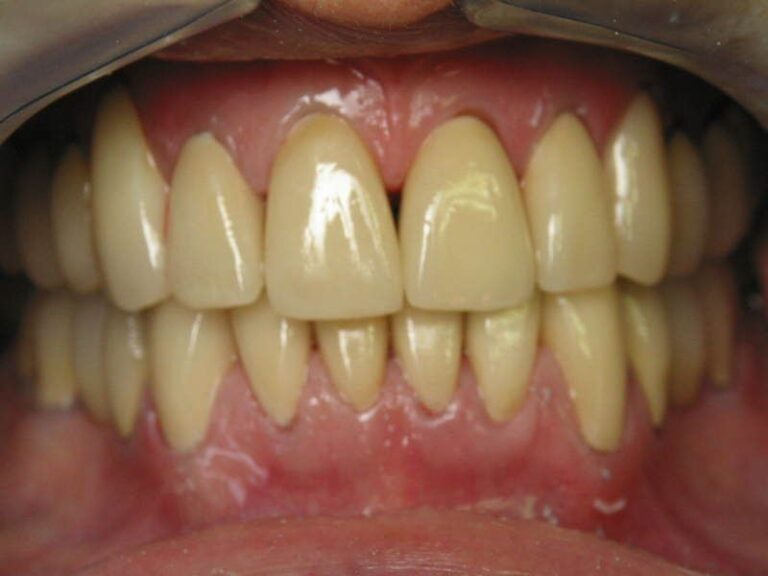
Have you ever found yourself gazing into the mirror, toothbrush in hand, only to be left perplexed by a less-than-brilliant smile? You brush your teeth every day, diligently following all the dentists’ recommendations, yet your pearly whites have seemingly taken on a yellow hue. It’s a challenging conundrum, isn’t it? You might be wondering, “Why are my teeth yellow when I brush them every day?” Let’s embark on a comprehensive exploration of this question, delving into possible culprits and solutions to reclaiming that radiant smile.
Understanding Tooth Discoloration
Before diving into the myriad reasons for yellowing teeth, it is essential to grasp the basics of tooth structure. Your teeth consist of multiple layers. The outer layer, referred to as enamel, may appear white but is actually transparent. Beneath it lies dentin, a yellowish substance that gives your teeth their base color. Over time, if enamel wears away or becomes stained, that yellowish hue can become more visible. But why does this happen even with rigorous brushing? Let’s uncover the various factors at play.
1. Diet: The Silent Culprit
Your daily intake plays a significant role in the color of your teeth. Some foods and beverages contain chromogens—pigment-producing substances that can stain teeth. Dark berries, red wine, coffee, and tea are notorious offenders. Acidic foods can erode enamel, exposing the yellow dentin underneath. Consider this: even with diligent brushing, these substances might still linger and affect your pearly whites over time.
2. Tobacco Use
Using tobacco products is perhaps one of the most detrimental habits for dental aesthetics. Both smoking and chewing tobacco contribute to severe discoloration. Nicotine and tar penetrate the enamel, leaving behind dark stains. So, despite your best efforts with your toothbrush, the yellowing may stubbornly persist if tobacco is in the mix.
3. Age: The Relentless Passage of Time
As you age, enamel naturally thins, and dentin tends to darken, leading to a more pronounced yellow appearance. It’s an inexorable truth of life, as even the most diligent brushers can experience this gradual discoloration. Unlike other factors, age is inevitable, highlighting the importance of regular dental check-ups to monitor tooth health over time.
4. The Influence of Medications
Some people may be unaware that certain medications can contribute to tooth discoloration. For instance, the antibiotic tetracycline, particularly when given to young children, can lead to severe staining. Additionally, antihistamines and blood pressure medications can dry out the mouth, leading to reduced saliva production, which is essential for neutralizing acids in the mouth. Less saliva means more staining potential, even with regular brushing.
5. Improper Brushing Techniques
Believe it or not, the technique used while brushing can directly impact the effectiveness of your dental hygiene routine. Are you applying too much pressure that can wear down enamel, or perhaps you’re not brushing for a sufficient duration? Ideally, brushing should last for two minutes, employing gentle circular motions. Neglecting these techniques could inadvertently contribute to staining.
6. Underlying Dental Conditions
In some cases, yellowing teeth may signal underlying dental conditions. Enamel hypoplasia, a developmental defect that leads to insufficient enamel formation, can predispose teeth to staining. Similarly, conditions like dental fluorosis, which results from excessive fluoride consumption during childhood, can also alter the appearance of teeth. If you suspect a dental condition, it’s prudent to consult a dental professional.
7. The Role of Oral Hygiene Products
The plethora of oral hygiene products available today can be overwhelming. While some toothpaste is designed to enhance whitening, others might contain abrasive ingredients that can wear down enamel over time. Additionally, mouthwashes with high alcohol content can also lead to dryness. Therefore, choosing the right products is crucial in maintaining tooth color and overall dental health.
8. Whitening Treatments: A Double-Edged Sword
Many individuals turn to whitening treatments in a bid to counteract yellowing. While over-the-counter whitening strips and professional treatments can yield impressive results, they can also have adverse effects if overused. Excessive whitening can lead to enamel erosion and increased sensitivity. Balance and moderation are key, and always consult your dentist before embarking on a whitening journey.
Strategies for Revitalizing Your Smile
Now that we have unveiled the various causes of yellowing teeth, it is time to explore strategies to counteract this discoloration. Here are some actionable approaches:
- Dietary Adjustments: Consider reducing the intake of staining foods and beverages. Additionally, rinsing your mouth with water after consuming such items can minimize staining.
- Quit Tobacco: If you smoke or use tobacco products, seek assistance to quit. Your teeth—and overall health—will thank you.
- Consult a Dentist: Regular dental check-ups can catch potential issues early. Professional cleanings can also remove surface stains that brushing alone may miss.
- Invest in Quality Products: Select toothpaste and mouthwashes specifically designed for whitening or enamel protection. Products with fluoride can be beneficial as well.
- Practice Proper Brushing Techniques: Aim for the two-minute brushing routine with soft-bristle toothbrushes. Gentle circular motions can prevent enamel wear while effectively cleaning teeth.
- Consider Professional Treatments: If yellowing persists, professional whitening treatments may provide a more pronounced and lasting result.
In conclusion, encountering yellowing teeth despite diligent brushing can be an exasperating experience. By examining various factors—from dietary choices to the products used—you can better understand the underlying causes and take informed steps toward restoring your brilliant smile. Remember, maintaining a radiant smile isn’t just about brushing; it’s about adopting a holistic approach to dental health. With time, patience, and the right strategies, you’ll be well on your way to a dazzling set of pearly whites!










Leave a Comment