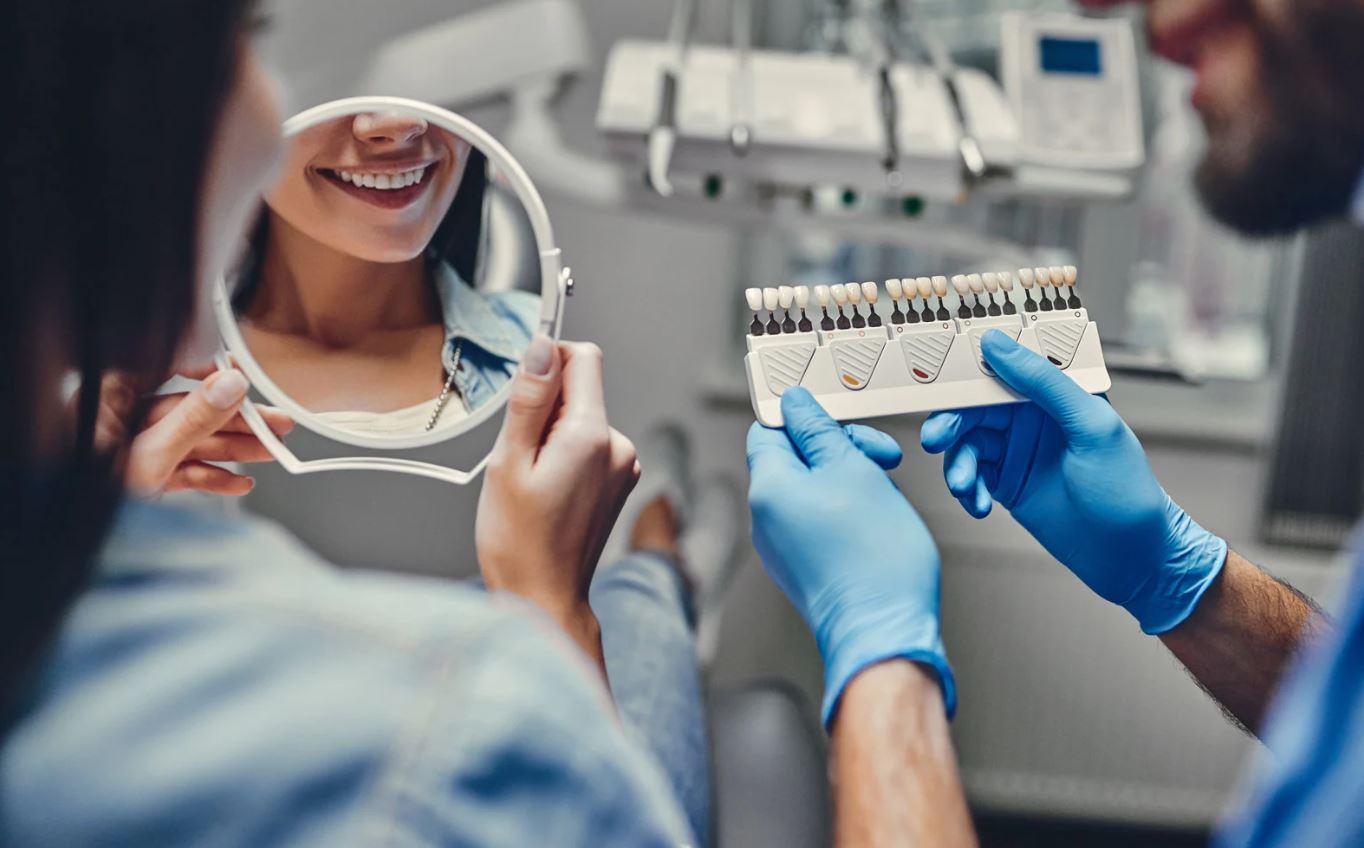
In the world of dental technology, a curious conundrum exists: why can’t digital impression systems detect when a crown requires a touch more yellow? This playful question not only piques interest but also unveils a significant challenge faced by dental professionals. As more clinics adopt advanced dental technologies, understanding the limitations of these systems becomes vital. In this article, we will explore the intricate layers of this quandary while delving into the intersections of color matching, material science, and the challenges of digital perception.
Understanding Color Perception
At the heart of the crown crafting process lies the principle of color perception. The human eye perceives color through photoreceptors known as cones, which are sensitive to different wavelengths of light. In contrast, digital scanning technologies utilize spheres of light reflection and complex algorithms to create a three-dimensional representation of the dental landscape. This disparity in perception is where the trouble begins. While humans can intuitively gauge nuanced color shifts, digital technology remains constrained by its algorithms and sensor limitations.
Moreover, laboratory workflows often involve various materials that exhibit unique reflective properties. While it might seem trivial, color representation can differ markedly between materials, leading to challenges in achieving the perfect match. The hidden hues of yellow, for example, may be efficiently captured by a painter’s eye, yet elude the clutches of current imaging technology.
The Influence of Lighting Conditions
To complicate matters further, lighting plays a critical role in how colors appear. Digital scanners typically operate under standardized lighting conditions, creating a highly controlled environment that might not reflect real-world scenarios. For instance, a dental clinic illuminated by incandescent bulbs will impart a warm tint that can enhance yellow tones. However, in a cold-blue office environment with fluorescent lights, that same crown may appear lacking in warmth.
This variability poses a significant challenge when transitioning from digital design to physical product. The inability to accurately capture the nuances of color in varied lighting conditions can lead to crowns that, when placed in the patient’s mouth, do not blend as seamlessly with natural teeth as anticipated.
Material Limitations and Color Simulation
Another fascinating aspect of this issue is the interaction between digital design and the physical properties of crown materials. Contemporary crown materials, like porcelain and resin, can exhibit a range of translucency, opacity, and chromatic depth. For example, a material may appear to have the correct shade of yellow in a digital rendering but manifest entirely differently once fabricated. Factors such as the material’s thickness, layering, and the firing process used in porcelain crowns can inadvertently alter the final color outcome.
Dental technologies like CAD/CAM systems utilize color mapping techniques to simulate desired hues as closely as possible. Yet, these systems are often limited in their ability to simulate the complex interplay of light and shadow that occurs in real-life circumstances. Thus, even if the ideal shade of yellow is digitally represented, the final product may still diverge from expectations due to the inherent characteristics of the chosen materials.
The Role of Human Expertise
While digital technologies have revolutionized dental practices, the significance of human expertise remains invaluable. Experienced dental professionals possess a keen understanding of morphology, shading, and color theory, enabling them to make nuanced decisions when crafting crowns. Their ability to envision how a shade of yellow will harmonize with the patient’s dental environment is not readily replicable by algorithms.
Moreover, orthodontists often take cues from the patient’s age, skin tone, and overall dental health when selecting shades for crowns. Such context is difficult to encapsulate within a digital framework. The human touch—this amalgamation of experience, intuition, and tactile assessment—cannot be underestimated, as it plays a pivotal role in achieving optimal outcomes.
Future Directions for Dental Technology
As we navigate this multifaceted challenge, it is clear that solutions must be sought. The future of dental technology may involve enhanced imaging techniques that can more accurately replicate the subtleties of color perception. Improved algorithms that consider ambient light conditions, as well as variations in material composition, will be essential in overcoming current limitations.
Additionally, integrating AI with advanced machine learning capabilities could allow digital systems to learn from past implementations, gradually improving their color matching abilities through accrued data. Such advancements would not only empower dental professionals but also enhance patient satisfaction by reducing discrepancies between expected and actual results.
Conclusion
The whimsical question of why dental technology cannot perceive the need for more yellow in a crown surfaces profound issues inherent in the intersection of human experience and digital precision. While the current technological landscape presents challenges in color matching, acknowledging these limitations allows for significant advancements in the field. By melding technology with human expertise, the endeavor to create the ideal crown—a perfect harmony of aesthetics and functionality—can finally conquer the imperfections that have long plagued practitioners. The journey forward promises to be as illuminating as the shades we seek to achieve.









Leave a Comment