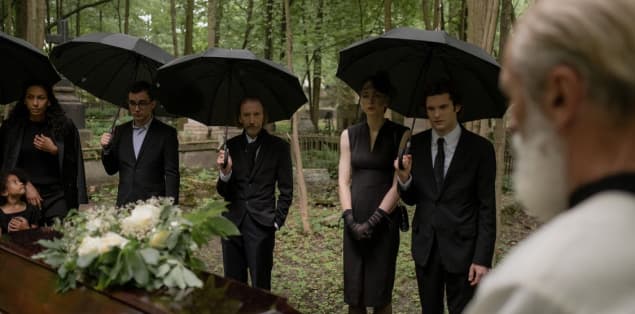
Throughout history, the practice of wearing black to funerals has etched itself as a time-honored tradition across various cultures. This sartorial choice is fraught with significance and emotional resonance, extending far beyond mere convention. In this detailed exploration, we will unravel the layers behind this intriguing practice, examining its historical roots, the emotional implications it harbors, and contemporary attitudes that are gradually shifting the narrative. By the end, you may find your perspective on this common ritual radically transformed.
Historical Context
The practice of donning black attire during mourning dates back centuries, deeply intertwined with societal norms and the evolution of cultural expressions of grief. In Western civilizations, as early as the Roman Empire, mourners would wear dark clothing as a symbol of sorrow. This tradition crystallized during the Victorian era, when elaborate mourning customs flourished. Individuals would often wear black as a mark of respect for the deceased, showcasing a deep sense of loss while simultaneously adhering to the societal expectations of that time.
In many cultures, black has been associated with death and the unknown, evoking feelings of reverence and respect. It is a color that absorbs light, resonating with the somber nature of grief. But what exactly does wearing black represent? It is not merely an aesthetic choice; it embodies a psychological state—a conjunction of sorrow and respect, an unspoken language of emotional turmoil.
A Symbol of Mourning
When one strides into a funeral clad in black, the choice epitomizes a collective understanding of loss. The color black is universally recognized as the color of mourning, creating a visual cohesion among attendees. This uniformity serves as a poignant reminder that grief is a shared experience.
Having a designated color for mourning simplifies profound emotional expressions. It provides a framework through which individuals can navigate their sorrow—encouraging them to engage in a communal mourning process. This sense of unity is vital, as it allows mourners to support one another while grappling with their individual feelings of loss. When you come dressed in black, you are immediately signifying your ability to empathize with the grieving family, emphasizing the importance of community in times of despair.
Cultural Variations
While black is predominant in Western funerary customs, the color’s connotations vary across cultures. In some Eastern traditions, white signifies mourning and is typically worn during funeral ceremonies. These cultural nuances underline the significance of symbolism in expressing grief and highlight the polysemous nature of colors. Understanding these differences not only fosters intercultural respect but also enriches one’s own perception of mourning rituals.
In parts of Africa, vibrant colors may be embraced, reflecting a different relationship with death—one that emphasizes celebration of life rather than desolation. Thus, the question of attire in funerals is not solely about the color black; it invites us to explore the prism of cultural perspectives surrounding death itself.
Psychological Resonance
The psychological dimensions of wearing black at funerals cannot be dismissed. For many, the act of dressing in dark apparel serves as a somber shield, an emotional armor that allows individuals to confront and navigate their grief. This protective mechanism can also signal a personal journey—each thread woven with memories of the deceased.
Furthermore, wearing black can impact the wearer’s emotional landscape. It has been suggested that darker colors evoke a sense of calm and reflection, enabling individuals to embrace their emotions more freely. This psychological freedom is vital, as it invites mourners to traverse the landscape of loss without the additional pressure of conforming to societal expectations of cheerfulness or positivity.
Contemporary Shifts
This departure from tradition prompts complex questions: Does abandoning black signify a lack of respect? Or does it represent a deeper understanding of grief, one that acknowledges the duality of celebration and sorrow? As the dialogue around death transforms, so too does the fashion associated with it, underscoring a burgeoning desire for authenticity in one’s expressions of grief.
Conclusion
Wearing black to funerals is a practice steeped in history, emotion, and evolving societal norms. It is a color that transcends mere fabric, transforming into a vehicle for communal expression, individual reflection, and cultural significance. Understanding the multifaceted reasons behind this choice enriches our perspective on grief and the myriad ways it is expressed. As we ponder the future of this tradition, it becomes evident that attire for mourning may be less about the color itself and more about the intention behind it—a poignant reminder that the journey through grief is both personal and shared.











Leave a Comment