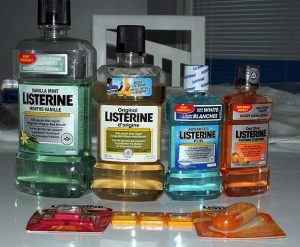
As one of the most popular mouthwashes on the market, Listerine has carved a niche for itself in oral hygiene. Its distinctive burn is often described as both invigorating and discomforting. For some, the stinging sensation is a sign that the mouthwash is effectively doing its job, while others are left wondering why it feels that way. This article will explore the components of Listerine that contribute to its characteristic burn, the science behind the sensation, and tips for those who may find the experience unbearable.
1. Composition of Listerine: An Overview
At the heart of Listerine’s formulation lies a blend of active and inactive ingredients. Key among these are essential oils, alcohol, and antiseptic compounds. The essential oils—such as eucalyptol, menthol, thymol, and methyl salicylate—are derived from nature and serve multiple purposes, including antimicrobial functions. Each ingredient plays an integral role in both the flavor profile and the burn sensation.
2. Alcohol Content: A Double-Edged Sword
The presence of alcohol, typically ranging from 21% to 26%, is one of the primary reasons for the burning sensation experienced by many users. Alcohol acts as an antiseptic, helping to kill harmful bacteria in the mouth. However, its high concentration can cause dehydration of the mucous membranes, leading to a stinging or burning feeling. For individuals with sensitive gums or oral conditions, this burning may be amplified, making the experience uncomfortable.
3. Essential Oils and Their Effects
Essential oils play a pivotal role in the effectiveness of Listerine. Eucalyptol, for instance, is known for its anti-inflammatory properties, while menthol provides a cooling effect that can be both refreshing and slightly irritating due to its potency. Thymol has antifungal properties, and methyl salicylate contributes to the anti-inflammatory action. While these oils enhance flavor and efficacy, they can also intensify the burning sensation when in contact with sensitive tissues in the mouth.
4. pH Levels: The Chemistry of Burning
The pH level of Listerine can also impact its burning sensation. Typically, a lower pH indicates a more acidic solution, which can exacerbate the sting. When acids contact the mucous membranes, they can lead to irritation and a stronger, more unpleasant burning experience. Understanding the acidity can provide insight into why certain formulations of Listerine might cause more discomfort than others.
5. Duration of Use: Tolerance and Acclimatization
Frequent users of Listerine may notice that the initial burn lessens over time. This phenomenon, known as acclimatization, occurs as the oral tissues adapt to the ongoing exposure to the active compounds. However, complete tolerance is not guaranteed. Users should pay attention to their individual response, as prolonged sensitivity may indicate the need to adjust their mouthwash selection.
6. Alternatives for Sensitive Mouths
For those who find Listerine’s burn too intense, there are milder alternatives available. Alcohol-free mouthwashes typically feature a gentler formulation, often relying on natural extracts for antibacterial action without the harsh stinging. Additionally, products designed for sensitive gums can provide effective oral care without causing discomfort.
7. When the Burn is a Concern
While a slight burn is often perceived as normal when using mouthwash, an intense or prolonged burning sensation should not be ignored. It may be a symptom of an underlying dental issue, such as gum disease or oral ulcers. In such cases, seeking professional dental advice is crucial to avoid further complications.
8. Tips for Reducing the Burn
There are several strategies users can employ to mitigate the burning sensation associated with Listerine. First, try using a smaller amount of the mouthwash—reducing the volume can diminish the intensity of the burn. Another tactic is to dilute the mouthwash with water, thereby lowering the concentration of alcohol and essential oils. Lastly, timing can play a role; using Listerine after brushing rather than before can afford some relief, as teeth that are freshly cleaned may better withstand the solution’s effects.
9. Conclusion: Embracing or Avoiding the Burn
In summary, understanding why Listerine burns can enhance the user experience significantly. Its potent ingredients, particularly alcohol and essential oils, contribute to a burning sensation that can be both beneficial and discomforting. The distinction between acceptable burning and excessive discomfort is crucial for oral health. Whether one chooses to embrace the burn as a sign of efficacy or opts for milder alternatives, the goal remains the same: maintaining optimal oral hygiene. Listening to your body and adjusting your mouthwash regimen accordingly can lead to a more pleasant and effective experience.










Leave a Comment