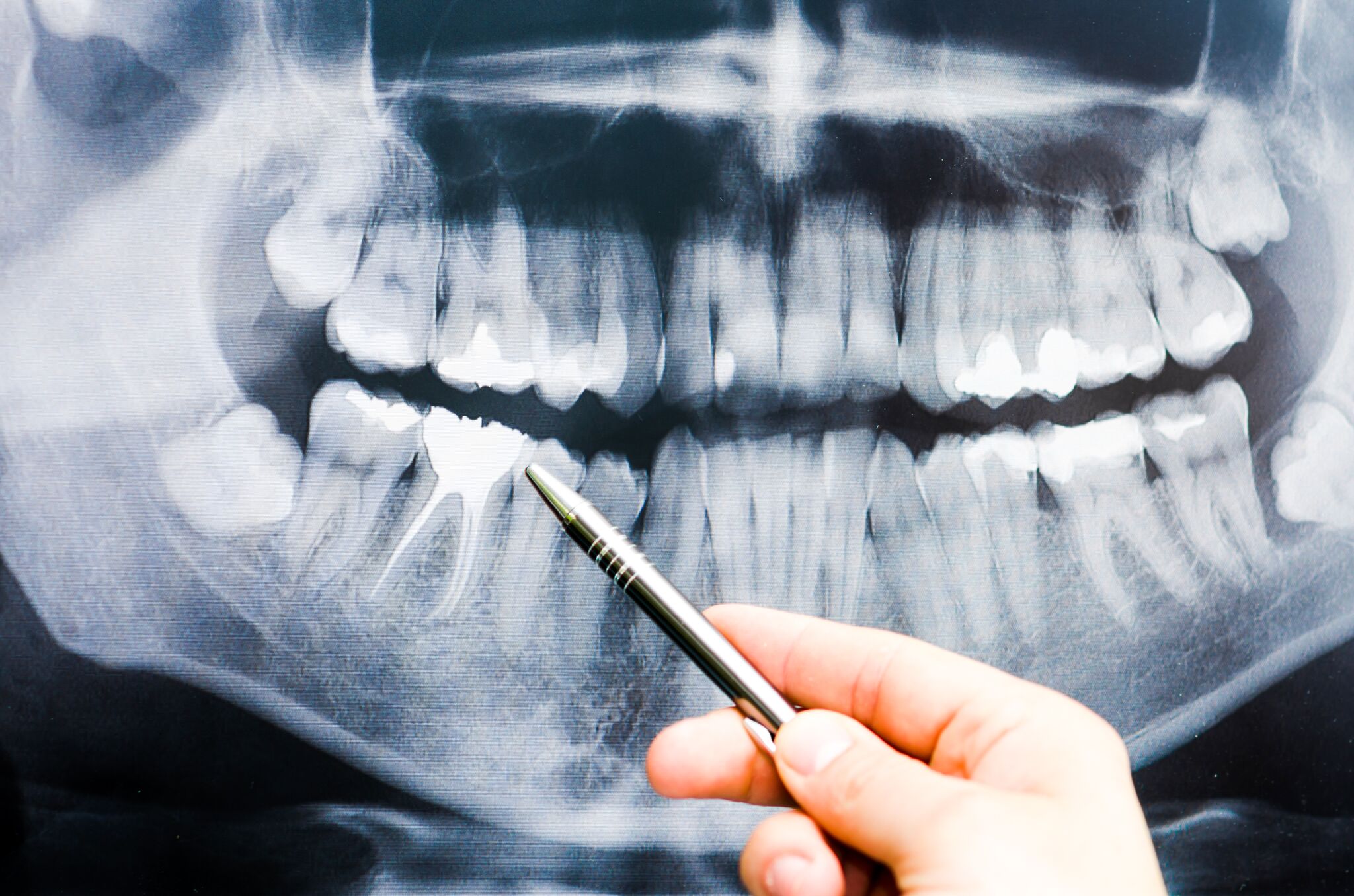
Why does my jaw pop? This perplexing question echoes in the minds of many, often accompanied by the challenge of deciphering whether it’s merely an innocuous quirk or a signal of something more serious. The sound of a popping jaw can elicit concern—even a hint of anxiety—in those who experience it. Understanding the underlying reasons behind jaw popping can be enlightening and may even alleviate worries while fostering a deeper comprehension of your body’s mechanics.
At the crux of the issue lies the temporomandibular joint (TMJ), a pivotal and multifaceted hinge that facilitates the intricate movements of the jaw. This joint connects your skull to your jawbone, enabling essential actions like chewing, speaking, and swallowing. The TMJ stoically bears the weight of the daily grind (quite literally), and any dysfunction or disruption within this joint can lead to a cacophony of sounds, including popping and clicking noises.
The phenomenon of jaw popping often invites inquiries into its potential causes, which can be diverse and varied. While some individuals may merely experience occasional pops, others may encounter a more persistent occurrence. Here’s an in-depth exploration of some of the most common reasons behind jaw popping, which can help you navigate this auditory mystery.
1. **Joint Dysfunction**
A primary culprit behind jaw popping is joint dysfunction, often referred to as temporomandibular disorder (TMD). This disorder encompasses a broad spectrum of dysfunctions of the jaw joint and the surrounding muscles. Misalignment—often caused by teeth grinding or jaw clenching—can lead to an uneven distribution of pressure on the joint, resulting in audible pops during movement.
2. **Articular Disc Displacement**
Within the TMJ lies an articular disc that aids in cushioning the joint and facilitating smooth movement. If this disc becomes displaced, it may not sit properly during jaw motion. The resulting friction can create a popping sound akin to the crunch of ice underfoot. Over time, this displacement may lead to further complications if left unaddressed.
3. **Muscle Tension**
Muscle tension can contribute significantly to jaw popping. Stress, anxiety, or chronic clenching can create a tightness in the jaw muscles, which may influence how the joint functions. When muscles engage in a prolonged contraction, they can inadvertently pull the jaw out of its proper alignment—resulting in that familiar pop when movement resumes.
4. **Arthritis**
Arthritis, particularly osteoarthritis or rheumatoid arthritis, can also afflict the temporomandibular joint. Inflammatory processes within the joint can lead to degradation of the cartilage, compounding irregular movement and generating disconcerting popping sounds. What starts as a mere annoyance could evolve into joint discomfort, making it crucial to pay attention to accompanying symptoms.
5. **Injury or Trauma**
An unfortunate impact or injury to the jaw can result in alterations to the joint’s functionality. A fractured jaw or dislocation can disrupt the alignment of the bones, leading to popping sounds during movement as the joint struggles to return to its dynamic equilibrium. Awareness of any recent trauma is vital in evaluating the cause of jaw popping.
6. **Dental Issues**
Sometimes, dental misalignments or issues may be the unsuspecting perpetrator behind jaw sounds. Uneven bite or malocclusion can create stress on the jaw joint, leading to awkward shifts and pops. Addressing dental concerns with a professional may provide not only aesthetic benefits but also practical relief from jaw discomfort.
7. **Habits and Lifestyle Choices**
Certain lifestyle choices and habits may exacerbate jaw popping. These can range from habitual gum chewing to clenching teeth during sleep. Identifying and modifying these behaviors can contribute to alleviating joint stress, promoting a more harmonious relationship with your jaw.
8. **Poor Posture**
Believe it or not, posture plays a crucial role in jaw health. Slouching or improper alignment of the neck and upper body can exert unnecessary pressure on the jaw joint, leading to dysfunction and the upsetting sound of a popping jaw. Minding one’s posture, particularly during prolonged periods of sitting, can have profound effects on jaw alignment.
In conclusion, while the occasional jaw pop may seem like an inconsequential oddity, it can be a reflection of various underlying issues. From joint dysfunction to lifestyle choices, myriad factors contribute to this intriguing phenomenon. It may serve you well to be vigilant, observe your habits, and even consult a healthcare professional should popping persist or escalate in severity. After all, understanding the intricacies of your body can empower you to take charge of your health. Your jaw, like your life, deserves harmony and balance—so why not embark on the journey toward a pop-free existence? You’ve got this!








Leave a Comment