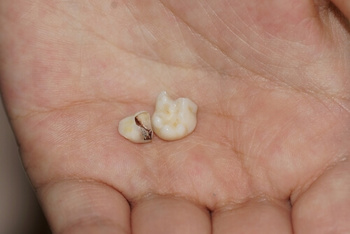
Why Does My Tooth Filling Hurt After Months?
Have you ever found yourself munching on your favorite snack when suddenly—ouch! Your tooth filling hurts, even after many months of seemingly blissful chewing? This peculiar predicament can leave anyone bewildered. What’s going on beneath the surface? Your once reliable filling may be causing unexpected discomfort, turning your culinary adventures into a tongue-in-cheek challenge. Let’s unravel the mystery behind this vexing situation.
1. The Initial Grievance: Understanding Tooth Fillings
Before delving into the myriad reasons behind post-filling pain, it’s essential to grasp what a tooth filling actually is. Fillings are restorative materials employed to replace decayed portions of a tooth, effectively sealing it from further harm. Composed of various materials—ranging from amalgam to composite resins—fillings serve to restore both functionality and aesthetics. So, if these little heroes can be so dependable, why can they turn into sources of anguish months later?
2. The Aging Process: Shrinkage and Displacement
As time unfurls its wings, fillings may not bask in eternal reliability. Over the months, materials undergo changes; some shrink, while others expand. This microscopic behavior can lead to marginal imperfections or gaps between the filling and the tooth structure. Such shifts might allow bacteria a gateway to the inner sanctum of your tooth, potentially igniting discomfort that feels as unwelcome as an unexpected snowstorm in April.
3. The Perils of Secondary Caries
Imagine a charming neighborhood plagued by a sudden invasion. Similarly, secondary caries—decay that develops around the edges of a filling—can emerge as time lapses. If that pesky bacteria slips past the defenses, it can recreate a dental debacle reminiscent of its precursor. The pain often manifests as sensitivity, a bothersome reminder that not all visitors are benevolent. Vigilance and regular dental check-ups are instrumental in thwarting this unwelcome intruder.
4. Bite Misalignment: An Insidious Culprit
A tooth doesn’t exist in solitude; it engages in a symphonic dance with its neighboring arch-nemeses. If your filling disrupts this harmony—causing a misalignment in your bite—you may inadvertently place undue pressure on the filled tooth. Such a scenario can lead to persistent soreness or sharp pangs, akin to an interesting plot twist in a novel that leaves you reeling. Ensuring your bite is aligned may require further consultation with your dentist, who can fine-tune the filling’s shape.
5. Dental Sensitivity: A Common Dilemma
Even months post-filling, it’s not uncommon to experience heightened sensitivity in the vicinity of the repair. This sensitivity could linger due to the nature of the filling material or the specific tooth that underwent treatment. The dentin—layer beneath the enamel—can become exposed, consequentially heightening reactions to hot, cold, or sweet stimuli. Such sensitivity might be an occasional visitor, but if it overstays its welcome, consulting with a dental professional can provide you the respite you need.
6. Temperature Fluctuations: The Temperature Tango
Our everyday choices can inadvertently lead to discomfort. High-temperature beverages paired with ice cream, or coping with sharp changes in temperature, can provoke reactions in sensitive teeth. Following a filling, your tooth may have heightened sensitivity to such abrupt thermal shifts. Attempting to navigate your dietary desires while avoiding discomfort can feel akin to walking a tightrope without a safety net. Adjusting your dietary habits post-filling may prove beneficial in averting unnecessary pain.
7. Underlying Dental Issues: More Than Meets the Eye
As we explore this landscape, don’t overlook potential underlying dental issues. Problems such as a cracked tooth, periodontal disease, or problems with the nerve can manifest as discomfort in your fillings. Sometimes, the root of the pain lies deeper than anticipated—a classic plot twist that calls for a comprehensive examination by a seasoned professional. In diagnosing these issues, your dentist may employ X-rays or visual inspections to unveil the hidden challenges you face.
8. Time for Dental Check-Ups: The Key to Prevention
Proactivity is crucial in safeguarding your dental ecosystem. Establishing a routine of dental check-ups can unearth potential problems before they escalate. Regular visits provide opportunities for discussion regarding any unexpected sensations or aftermath from a filling, nurturing a cooperative relationship with your dentist. They can assess, advise, and intervene, ensuring your journey ahead is as pleasant as a sun-drenched afternoon in the park.
Conclusion: Navigating the Tooth Terrain
In conclusion, the bewildering phenomenon of a painful tooth filling after months can stem from various factors—material changes, bumps in the cavity of dental health, or even simple sensitivity. While the occasional discomfort may seem like an uninvited guest, remember that proactive communication with your dentist is your best defense against lingering pain. Don’t be shy to seek assistance; after all, a healthy smile is your best accessory. So, whether you experience a fleeting twinge or a lingering ache, take it upon yourself to investigate, educate, and engage in your oral health journey.





Leave a Comment