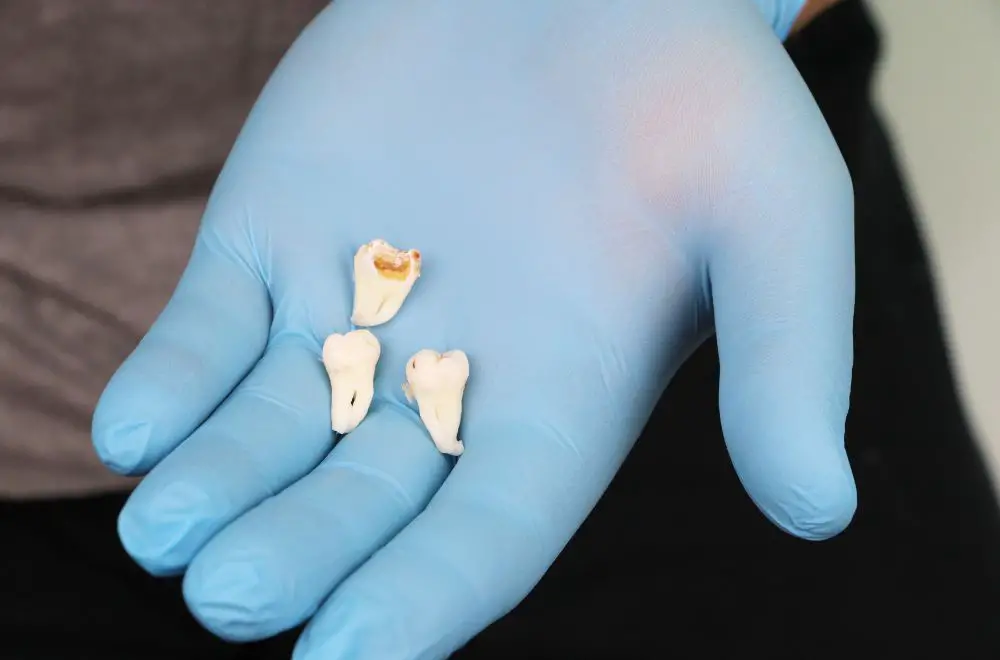
For decades, the conventional wisdom surrounding wisdom teeth, or third molars, has been clear: if they are problematic or crowded, they should be extracted. However, recently, a growing number of dental professionals are challenging this long-standing notion. So, what has changed? And why are experts now suggesting that you might not need to remove your wisdom teeth? This article unpacks the evolving perspective on this dental dilemma, exploring both the reasons behind this shift and the potential implications of keeping your wisdom teeth intact.
Firstly, let’s ponder a provocative question: Could the routine removal of wisdom teeth be an outdated practice rooted more in tradition than in necessity? For many, the very idea of undergoing surgery to remove teeth that may not be causing any immediate issues seems excessive. The dental community is recognizing the importance of a nuanced approach to wisdom teeth, where the decision to extract them should be based on individual circumstances rather than blanket protocols.
Traditionally, the rationale for extracting wisdom teeth was largely preventive. Dentists often recommended removal to avert problems such as impaction, crowding, and infection. Yet, the prevailing understanding of dental development has evolved significantly. Research indicates that not all wisdom teeth pose a threat. In fact, many individuals retain their wisdom teeth without experiencing adverse effects. This revelation has raised an intriguing question: Is the preventive extraction of wisdom teeth always warranted?
One pivotal element in this discourse is the advent of advanced imaging technology. Techniques such as 3D cone-beam computed tomography (CBCT) allow dentists to visualize the position and development of wisdom teeth in astounding detail. This means practitioners can better assess whether wisdom teeth are likely to cause future complications. In many cases, if the teeth are fully erupted and positioned correctly, the risk of problems diminishes significantly. Thus, unnecessary extraction can often be avoided.
Moreover, dental professionals are starting to recognize the potential benefits of retaining wisdom teeth. For instance, these molars can help maintain proper occlusion or bite alignment. In many cases, they provide predictable stability, distributed chewing force, and can even contribute to overall oral health by aiding in the mastication process. Without them, individuals may experience shifts in their dental alignment, leading to costly remedies down the line.
Let’s delve deeper into the potential challenges and complications associated with the extraction of wisdom teeth. While surgery for extraction is generally considered safe, it is not without risks. Patients can experience complications ranging from dry socket to nerve damage. Moreover, post-operative pain, swelling, and even infection are common adversities many face after the procedure. This further tees up the discussion: Are we oftentimes trading one set of problems (positional and health-related concerns associated with wisdom teeth) for another (surgical and recovery complications)?
Another critical consideration is the shifting demographic of wisdom teeth extraction. Many younger individuals undergo this procedure without experiencing jaw or dental pain, raising ethical questions about the necessity of such interventions. The impact of a burgeoning “wait and see” mentality is pronounced, as patients and dentists alike are reevaluating what it truly means to maintain optimal dental health.
Financial implications also demand attention. Oral surgery and subsequent follow-ups to monitor recovery can accumulate significant costs, costs that many could avoid by choosing to keep their wisdom teeth, provided they are healthy and functional. For young adults struggling with student loans or trying to save money, these expenses can be burdensome. If dental professionals advocate a more conservative approach, it can alleviate both financial and emotional stress on patients.
It’s crucial to note that every patient’s oral health is unique. Retaining wisdom teeth isn’t a one-size-fits-all solution. Some individuals may genuinely benefit from their removal due to specific health issues, such as severe impaction or recurring infections. However, the new paradigm suggests a pivot towards personalized treatments rather than blanket surgical recommendations.
In conclusion, wisdom teeth extraction is not always necessary, and dental professionals are now rethinking this traditional approach. Thanks to advancements in imaging technology and a broader understanding of individual oral health, it is clear that wisdom teeth removal should no longer be an automatic procedure. Engaging in open dialogue with an experienced dentist about your particular situation can empower patients to make informed decisions about their oral health care. As perceptions continue to evolve, the challenge ahead for both patients and dental professionals will be to discern the nuances of each case, ensuring that wisdom teeth are treated with the awareness they deserve—whether that involves retaining them or choosing to extract. Ultimately, this thoughtful examination invites patients to consider: Is preserving your wisdom teeth the wiser choice after all?







Leave a Comment