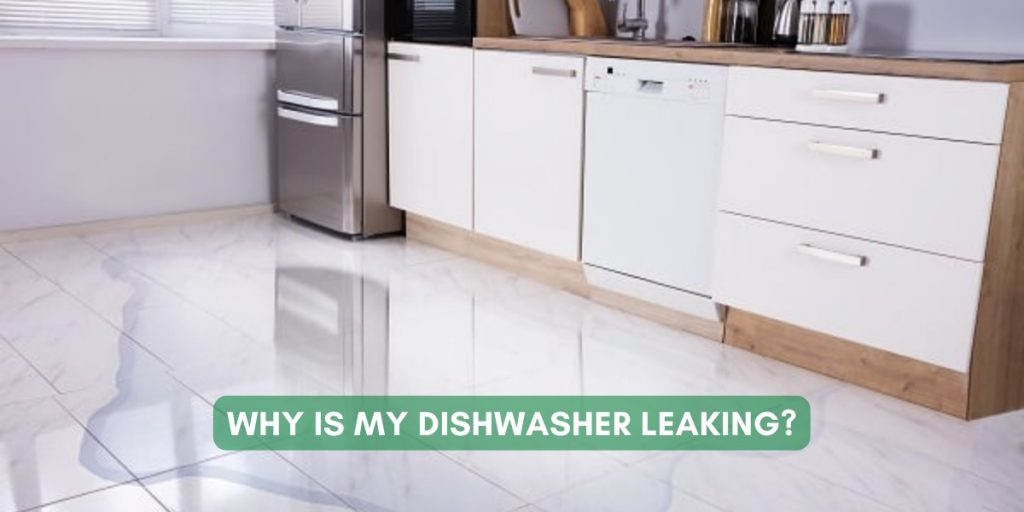
In the symphony of household appliances, the dishwasher is a master conductor, orchestrating a harmonious blend of cleanliness and convenience. Yet, when this essential device begins to leak, it transforms from a reliable ally into a mysterious nemesis, casting shadows on its otherwise pristine reputation. Understanding the complexities behind its sudden malfunction can be akin to untangling a web of secrets, each thread revealing a potential cause and solution.
When pondering the question, “Why is my dishwasher leaking?” envision it as a ship caught in a tempestuous sea. Just as a ship can succumb to turbulent waves and unforeseen circumstances, so too can our dishwashers face challenges that lead to leaks. This guide endeavors to navigate through the choppy waters of potential issues, illuminating the myriad reasons behind your dishwasher’s leakage.
1. Gasket Gone Awry
At the heart of your dishwasher’s ability to contain water lies the door gasket, a rubbery shield that diligently seals the entrance. Over time, this humble hero can become worn, cracked, or dislodged, akin to a crumbling dam that allows water to escape its boundaries. Inspecting the gasket for signs of deterioration is crucial. A simple cleaning may restore its integrity, while a replacement might be necessary if the damage is pronounced.
2. Sprayer Arm Obstructions
Imagine a conductor whose baton is intermittently blocked by rogue musicians—chaos ensues. Similarly, if the sprayer arm becomes obstructed by leftover food particles or misplaced dishes, water may not disperse as intended. This mismanagement can lead to a spray pattern that forces water to escape the confines of the dishwasher. Regularly checking the arm for obstructions and ensuring it spins freely can preempt potential leaks.
3. The Drainage Dilemma
Clogged drain hoses can be likened to a traffic jam in a bustling city, where the flow is significantly hindered, and chaos ensues. When food debris, grease, or foreign objects obstruct the drainage system, water can back up and escape from the dishwasher’s bottom. Investigating the drain hose and ensuring it is clear can restore order to your appliance’s workflow.
4. Inlet Valve Impediments
The inlet valve, a small yet vital component, controls the water flow into your dishwasher. If it malfunctions or develops a leak, it can create a fountain-like effect inside the appliance. Ensure the valve is functioning properly by checking for signs of corrosion or damage. A faulty valve may necessitate a replacement to prevent further leakage.
5. The Ultimate Gasket: The Door Seal
The door seal is often overlooked, but much like the dam holding a river at bay, its integrity is paramount. A compromised door seal allows water to escape during cycles. Checking the door seal for tears or deformities can help pinpoint the cause of the leak. A replacement seal could cement your dishwasher’s ability to function properly once again.
6. Overloading: A Common Culprit
Much like a suitcase that bursts at the seams when overstuffed, a dishwasher has its limits. Overloading can lead to improper water distribution and, subsequently, leaks. Be mindful of the capacity and arrangement of your dishes, ensuring that each item has the space to be cleaned while allowing for optimal water flow.
7. Aging Appliance Syndrome
Much like any aging hero, a dishwasher can suffer from wear and tear as the years roll by. Seals may weaken; components may corrode. If your dishwasher has served valiantly for a decade or more, it may be time to evaluate its overall health. Regular maintenance check-ups can extend its life, but consider replacement if leaks become frequent.
8. Incorrect Installation: A Recipe for Disaster
A disharmony often arises when a dishwasher is not correctly installed—much like a poorly calibrated musical instrument. Misalignment of the drainage hose or improper leveling can lead to potential leaks. To prevent this, take the time to review the installation instructions carefully or hire a professional to ensure everything is in order.
9. External Water Supply Issues
Sometimes, the problem lies not within the appliance itself but rather with the external water supply. Leaks can originate from supply lines or connections near the dishwasher. Inspecting the hoses and connections for signs of wear or faults is essential. Addressing these issues swiftly can save you from a watery mess.
10. Persistent Presence of Soap
Lastly, the type of detergent used can contribute to leaks. Excessive suds from using the wrong dishwasher soap can overflow, resulting in a watery situation. Be sure to use detergent specifically designed for dishwashers to prevent artistry—where foam spills forth like a volatile eruption.
In conclusion, a leaking dishwasher can feel like a riddle wrapped in an enigma, yet understanding the underlying causes empowers you to tackle the problem with confidence. From examining the door gasket to evaluating your loading practices, many solutions exist to restore harmony to your appliance. As you embark on the quest to silence the drip and contain the flow, remember that each step you take is a note in the melody of maintaining your trusty kitchen ally. Your dishwasher is ready to return to its role as a reliable conductor in the harmonious symphony of your home.









Leave a Comment