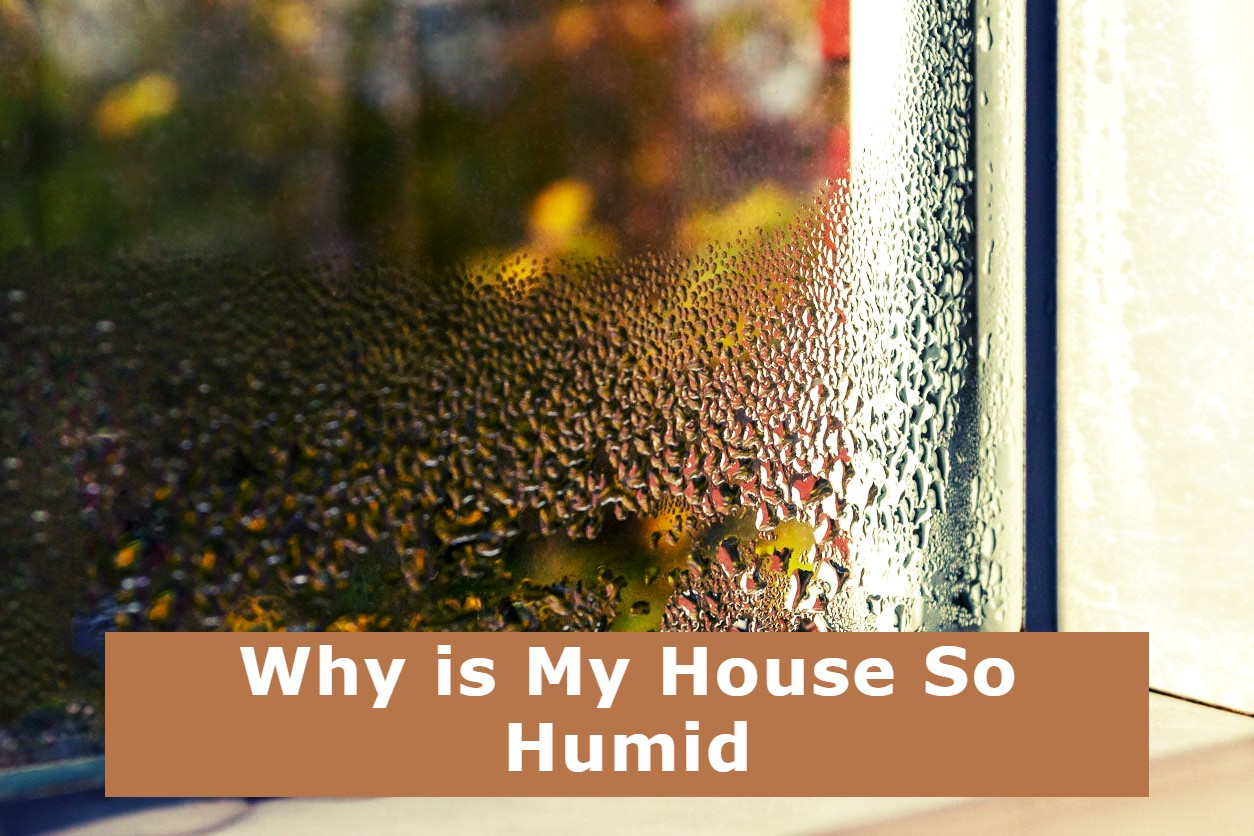
Your home should be a sanctuary, a place where you can escape the rigors of daily life. However, if you find that your abode is persistently humid, it can lead to discomfort, exacerbate allergies, and even foster the growth of mold. This article will delve into the various culprits behind excessive humidity levels in your home, exploring both environmental factors and indoor activities that may contribute to this issue.
Understanding Humidity
Before addressing why your house might be so humid, it’s essential to understand what humidity actually is. Humidity refers to the concentration of water vapor present in the air. High humidity, which occurs when the air is saturated with moisture, can lead to an array of discomforts, from clammy skin to a general sense of heaviness in the environment.
1. Geographic and Seasonal Influences
Your geographical location plays a pivotal role in determining indoor humidity levels. In regions characterized by high temperatures and substantial precipitation, humidity can naturally be elevated. Coastal areas, for example, often experience salt-laden moist air that seeps into homes. During summer months, warm air holds more moisture, thereby escalating indoor humidity. Understanding your local climate can provide insight into whether external factors are to blame for the stickiness in your residence.
2. Poor Ventilation
One of the most common reasons for high humidity in homes is inadequate ventilation. When airflow is restricted, moisture does not have the opportunity to escape. Bathrooms, kitchens, and laundry rooms are particularly susceptible due to their water usage. Installing exhaust fans in these areas is crucial; they help expel humid air outdoors, thus maintaining a balanced indoor environment. Additionally, ensuring that windows and doors are fitted properly can prevent unnecessary moisture intrusion.
3. Everyday Activities
Many daily activities contribute significantly to indoor humidity levels. Showering, boiling water, and even breathing release moisture into the air. For instance, a long, hot shower can produce moisture that lingers in the air, especially in a poorly ventilated bathroom. Cooking with pots uncovered can also worsen humidity as steam escapes into your living space. An awareness of these activities is vital. Modifying habits or employing dehumidifiers can mitigate these effects effectively.
4. Household Plants
While houseplants can enhance the aesthetic appeal of your home, they can also contribute to humidity. Plants release moisture through a process called transpiration. If you have numerous plants or if they are particularly thirsty species, this can exponentially increase humidity levels. It may help to group plants together or place them strategically in your home, balancing humidity while still enjoying their greenery.
5. Building Materials and Structural Issues
The materials used in your home’s construction could inadvertently contribute to humidity. Some porous materials, such as concrete and unsealed wood, can absorb moisture from the air. Furthermore, structural concerns like leaks in the roof or around windows can allow moisture to infiltrate your home. Regular maintenance checks can prevent such issues from escalating, thereby maintaining a comfortable humidity level.
6. HVAC Systems
Heating, ventilation, and air conditioning (HVAC) systems play a vital role in regulating indoor humidity. An underperforming or improperly maintained HVAC system may struggle to remove excess moisture from the air. Routine inspection and maintenance are crucial. Consider using air conditioning in conjunction with dehumidifiers during the warmer months to create a balanced atmosphere that’s both cool and dry.
7. Weather Intrusion
Unfavorable weather can exacerbate indoor humidity levels. Rainstorms, high humidity days, and even snowmelt can introduce moisture to your home, particularly if windows or doors are left unsealed. Employing weather stripping and ensuring that doors and windows are properly weatherized can significantly reduce this intrusion. Furthermore, maintain gutters and downspouts to protect your home’s foundation from water accumulation.
8. Insulation
Proper insulation plays a crucial role in regulating your home’s humidity. Insufficient insulation allows for temperature differentials, creating condensation issues within walls. Over time, this can lead to mold growth, impacting both the structure of your home and the health of its inhabitants. Investing in proper insulation can significantly reduce humidity levels, promoting not only comfort but also energy efficiency.
Conclusion
High humidity levels in your home can stem from various sources, ranging from the climate and your everyday activities to structural issues and building materials. By understanding and addressing these contributors, you can foster a healthier environment within your home. Whether it’s improving ventilation, utilizing dehumidifiers, or engaging in preventative maintenance, taking proactive steps is key to transforming your humid abode back into the haven it was meant to be. Your comfort, health, and well-being depend on it.








Leave a Comment