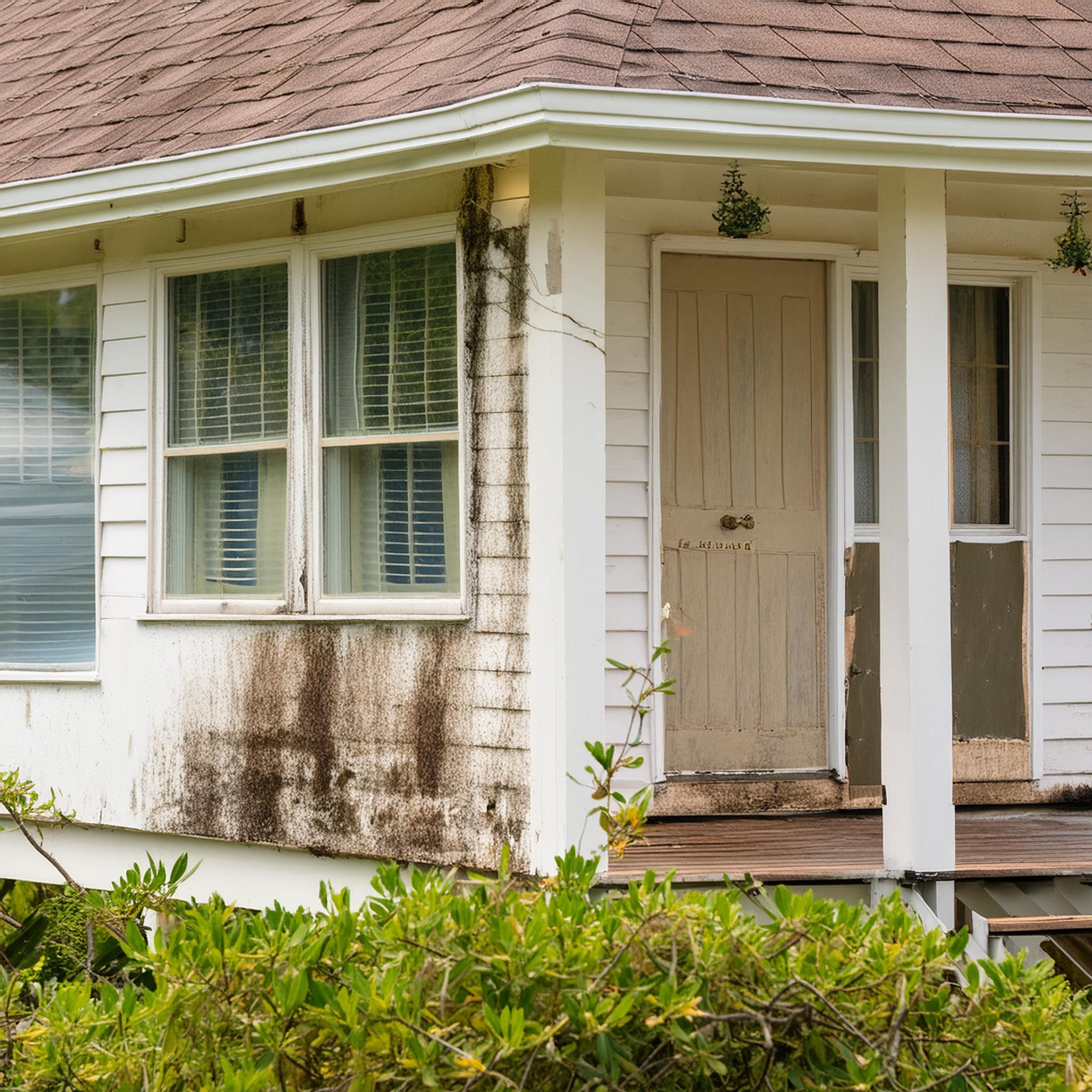
In the complex tapestry of nature, mold emerges as one of its most enigmatic characters. Much like an uninvited guest at a picnic, mold tends to appear where it’s least welcome, thriving in environments that are often critical to the aesthetics and integrity of our homes. Understanding why mold grows on the outside of houses can unravel not just a biological phenomenon but also the intricacies of moisture, temperature, and organic matter. Let us embark on an explorative journey through this curious world.
At its essence, mold is a type of fungus — an opportunistic organism that thrives in damp, warm environments rich in organic material. When pondering the exterior of your house, consider it a grand stage set, where a perfect storm of conditions allows this microbial actor to flourish. Yet, what shapes this environment? Several factors conspire to create the ideal atmosphere for mold proliferation, and each plays a vital role in this unsolicited performance.
1. Humidity: The Silent Architect
The atmosphere surrounding your home serves as a significant blueprint for mold growth. High humidity levels create an ideal breeding ground. When the air becomes saturated with moisture, particularly in warmer months, it mirrors a tropical rainforest — an environment where mold revels in its luxuriant growth. This humidity can result from environmental factors, such as heavy rains or localized fog, generating an abundance of moisture that clings to surfaces.
2. Poor Drainage: A Hidden Peril
Like an unwelcome puddle that lurks in a shadowy corner, poor drainage around your home is a predestined pathway to mold invasion. If rainwater or irrigation does not properly divert away from the foundation, it can create an oasis for mold on walls, siding, and other surfaces. This excess water festers, leading to a microbial banquet where mold thrives in the incessantly damp conditions.
3. Organic Material: The Banqueting Table
Mold, akin to a connoisseur of decay, requires sustenance to survive. The exterior surfaces of your home often house a treasure trove of organic material, ranging from decomposing leaves to algae and dirt. When this material is left unchecked, it invites mold to partake in its banquet. Just as a chef selects the finest ingredients, mold finds delight in these organic offerings, contributing to its rapid expansion.
4. Temperature Fluctuations: The Dance of Extremes
Ponder a bell curve of temperature; mold finds solace in the comfortable lull of moderate temperatures. As exterior temperatures sway between mild warmth and coolness, mold is emboldened to take root. Nights might chill but days can warm, creating a tempestuous relationship that fosters moisture condensation. This dynamic tango of temperature engenders an equilibrium beneficial for mold’s prosperity.
5. Lack of Sunlight: The Dim Hideaway
Sheltered from the sun’s piercing gaze, certain areas around your home may harbor dark, shadowy nooks perfect for mold growth. Mold, much like a nocturnal creature, flourishes in low-light environments where dampness persists. Areas that receive scant sunlight—such as the north-facing walls or spots obscured by overgrown plants—double down as prime real estate for mold seeking refuge from the brightness of day.
6. Ventilation Woes: The Stagnant Air Trap
Ventilation plays a pivotal role, acting as lungs for your home’s exterior walls. Adequate airflow serves to evaporate excess moisture, while stagnant air breeds lethargic conditions conducive to mold’s flourishing. Think of ventilation as the refreshing breeze that sweeps across an arid landscape; without it, the air becomes a still pond, ripe for the emergence of mold spores. The interplay of airflow and design impacts mold presence significantly.
7. Seasonal Influences: A Time for Growth
Each season carries unique characteristics, setting the stage for mold growth patterns. Spring and fall, often characterized by fluctuating temperatures and moisture, are particularly hostile for exterior surfaces. As winter gives way to rejuvenation or summer wanes into autumn, the convergence of humidity, rain, and shifting temperatures can transform your home into a mold-friendly habitat. Seasonal cycles thus play their part in cultivating mold’s tenacity.
8. The Role of Landscaping: The Overgrowth Factor
Landscaping, although aesthetically pleasing, can unknowingly contribute to mold growth. Overgrown shrubs and trees can trap moisture against your home, creating a microclimate where mold can proliferate. Additionally, misguided irrigation practices that encourage excessive watering may inadvertently help establish a thriving environment directly next to your house’s facade. Thus, the design of your outdoor sanctuary may dictate the health of your home’s exterior.
In summation, the ascendance of mold on the outside of a house is no mere happenstance—it is a complex interplay of environmental themes. Humidity, organic detritus, and temperature effectively choreograph a persistent dance that invites mold into your domain. By understanding these factors and maintaining proactive measures like effective drainage, regular cleaning, and ensuring adequate ventilation, homeowners can cultivate an atmosphere less favorable for mold intrusion. Ultimately, while the allure of mold as a natural organism cannot be overlooked, it serves as a reminder of the delicate balance between nature and our constructed environments. With diligence, the home can remain an unblemished bastion against the insidious creep of mold, preserving both its durability and aesthetic charm.








Leave a Comment