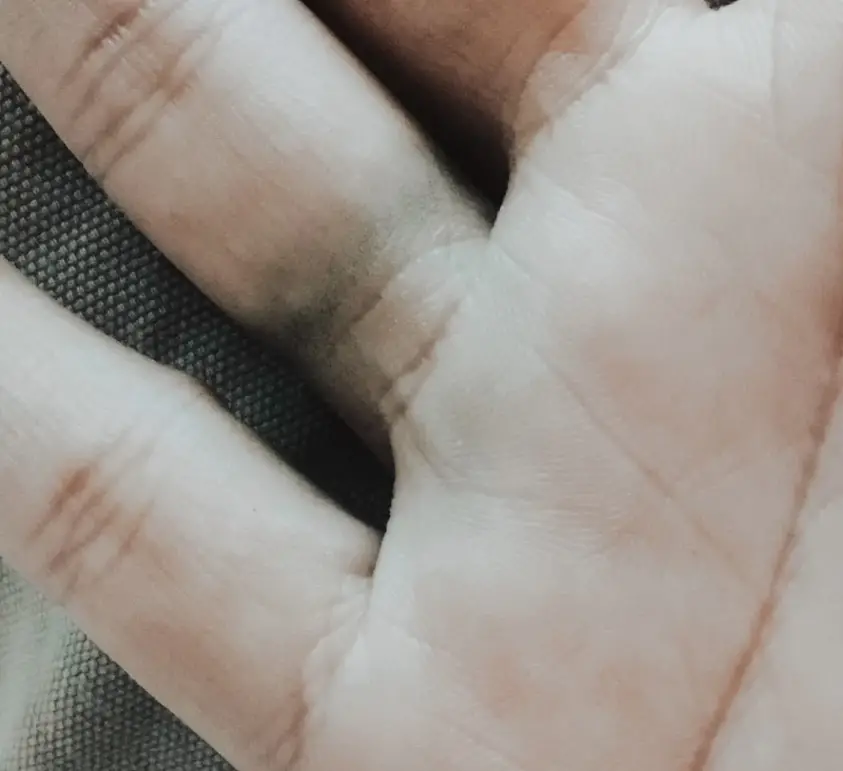
Jewelry has long held a fascination for individuals, drawing them into a realm where artistry and emotion intertwine. Among the myriad of materials utilized in crafting these treasures, sterling silver occupies a prominent space. It shimmers like moonlight dancing on waves, appealing to many with its ethereal allure. However, alongside this aesthetic enchantment lurks a common concern: will sterling silver turn green? This inquiry is akin to peering into a crystal ball, seeking clarity about a substance that can both elevate our dress and, at times, trouble our minds.
To fully grasp the intrigue surrounding this question, one must first understand what sterling silver truly is. Sterling silver is an alloy primarily composed of 92.5% silver and 7.5% other metals, usually copper. This blend serves a dual purpose: enhancing the material’s durability while ensuring a brilliant sheen. Much like the hidden depths of the ocean beneath a tranquil surface, this amalgamation gives the silver its character, but also introduces potential for transformation. Over time, various factors can conspire to instigate a metamorphosis in color.
When exposed to moisture, skin oils, and various environmental elements, sterling silver may indeed tarnish, leading to a greenish hue. The oxidation process, akin to the rusting of iron, creates a layer of copper oxide on the surface. Much like an artist who has devoted countless hours to a single canvas, this transformation requires patience and understanding, as it cannot be rushed. The speed at which tarnishing occurs often depends on individual circumstances, including lifestyle, climate, and how the silver is cared for.
A pivotal aspect to consider is individual skin chemistry, which can vary dramatically among people. Just as no two snowflakes are alike, so too are the chemical compositions of our skin. The presence of sweat, lotions, and perfumes can alter interactions between the sterling silver and the skin, leading to potential discoloration. For some, this reaction is merely a fleeting moment—like a shadow passing over the sun—but for others, it may be a persistent challenge. If your skin tends toward acidity, you may well find that your silver jewelry develops a patina reminiscent of the verdant hues of moss-clad stones.
Environmental factors further influence the fate of sterling silver. Humidity acts like a curious intruder in an otherwise serene art gallery, accelerating the natural tarnishing process. In coastal regions, salt from the air can exacerbate the situation, much like waves eroding a fragile shoreline. For those living in less humid areas, sterling silver may retain its brilliance longer, but exposure to certain chemicals—found in household cleaners or cosmetics—can swiftly mar its surface. It becomes clear that the external world plays a significant role in this delicate relationship between silver and its surroundings.
In the midst of these challenging dynamics, one might wonder about methods to preserve the inherent beauty of sterling silver. The maintenance of jewelry often evokes images of elaborate rituals; however, it need not be an overwhelming task. Regular cleaning can serve as an effective shield against tarnish. A gentle polishing cloth specifically designed for silver can restore luster with minimal effort, almost as if you are reawakening the sparkling essence within. Storing sterling silver in anti-tarnish pouches or cloths provides additional protection, enveloping each piece with care, akin to wrapping a cherished book in silk.
Moreover, common household items can act as alchemists, turning back the clock on tarnished silver. A mixture of baking soda and water, for instance, creates a paste that can be gently applied to tarnished areas, revealing the silver’s gleam beneath like a sunrise breaking through a foggy dawn. This modest act of care honors the jewelry’s story, ensuring that it continues to reflect the light of the wearer’s journey.
It is essential, however, to balance vigilance with appreciation for the character that tarnishing can impart. Many artisans and jewelry enthusiasts celebrate the beauty of patina, viewing it as a testament to the piece’s history. Much like the wrinkled hands of an elderly storyteller, a tarnished piece of sterling silver can evoke tales of romance and adventure. The choice between keeping silver pristine or embracing its natural evolution becomes a deeply personal one, marking the wearer’s unique relationship with the material.
Ultimately, the question of whether sterling silver will turn green offers more than meets the eye. It invites contemplation on the convergence of chemistry, environment, and personal experience. Sterling silver is not merely a medium for adornment but a living component in the tapestry of human expression. With the right care, it can be maintained; with a bit of acceptance, it can be cherished in all its phases. Just as the seasons change our landscapes, so too can the wear and weathering of silver tell stories rich with meaning. Hence, the allure of sterling silver persists—forever shimmering, forever transforming.








Leave a Comment