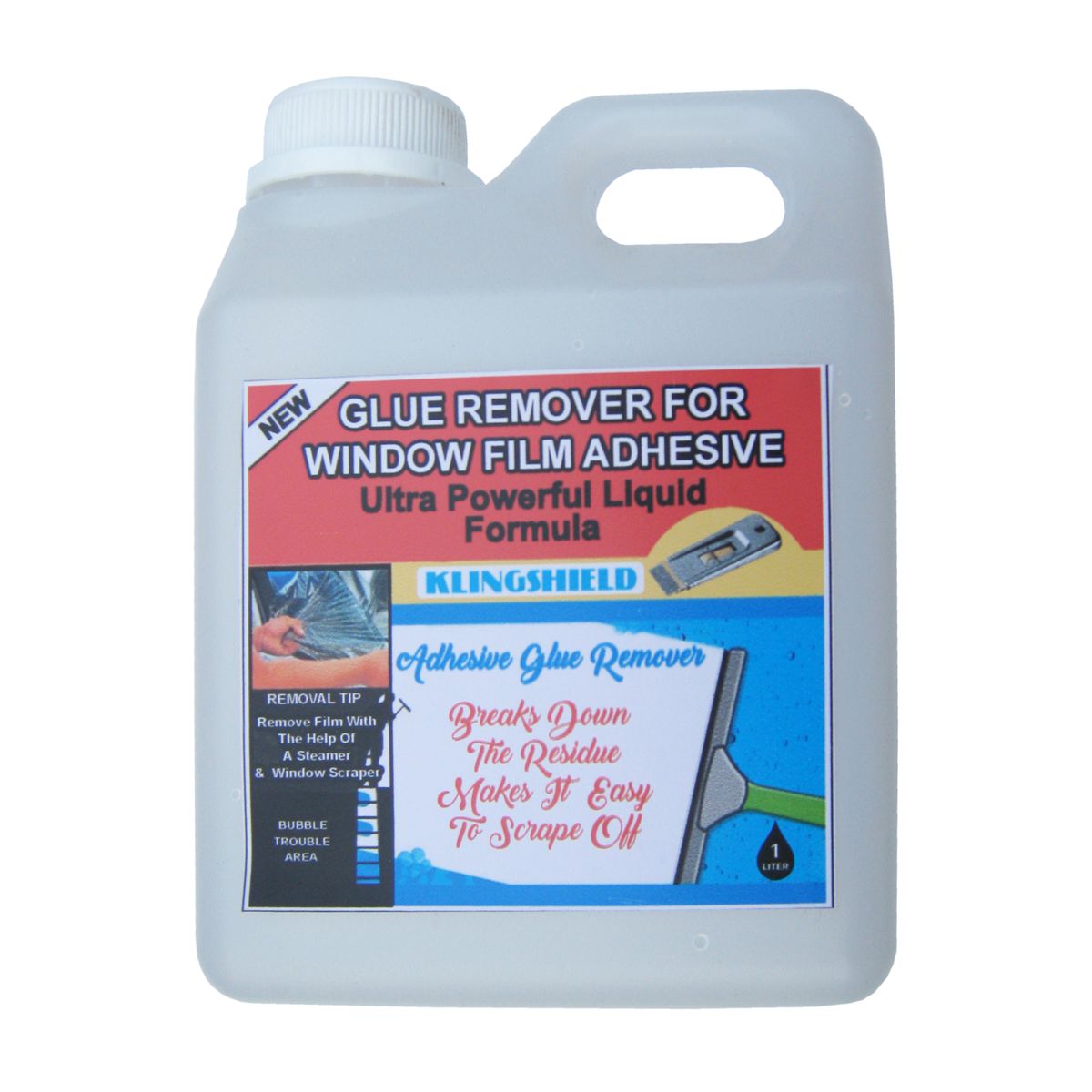
Window film adhesive remover is an often overlooked yet essential tool for anyone seeking to restore, maintain, or upgrade their vehicle or home windows. The seemingly mundane task of removing old window tint or adhesive may appear trivial at first glance, but it delves into deeper realms of aesthetic enhancement and practical function. This article aims to unfold the fascinating elements surrounding window film adhesive remover, offering comprehensive guidelines for its effective use, selection, and benefits.
Understanding Window Film Adhesive
The necessity for a window film adhesive remover arises from the ubiquitous application of window tints. Be it for aesthetic appeal, UV protection, or heat reduction, window films have become highly popular. However, the adhesive properties of these films can pose challenges when the time comes for replacement or removal. Over time, the adhesive can degrade or become difficult to peel away, especially under harsh environmental conditions. The resilience of these adhesives is a testament to their design, but it also necessitates the use of specialized products to combat them.
Why Use a Window Film Adhesive Remover?
Using a window film adhesive remover has several advantages. For one, it preserves the integrity of the vehicle or glass surface beneath. Scraping at adhesive residue can cause scratches or damage to the underlying material. Furthermore, the right remover expedites the process, making it manageable and less labor-intensive. This is not merely about aesthetics; it’s about ensuring clarity of vision, safety, and longevity of the glass itself.
Selecting the Right Adhesive Remover
Choosing an appropriate adhesive remover involves careful consideration. There are several types available, each suitable for specific applications. A multitude of products can be synthesized from organic solutions, commercial solvents, or even homemade concoctions that utilize common household ingredients. When embarking on this journey, one must take into account the following criteria:
- Effectiveness: Look for products that are specifically marketed as window film adhesive removers. Their formulation is generally tailored to dissolve or weaken the adhesive bond without harming the underlying surface.
- Surface Compatibility: Always ensure that the remover is compatible with your window type—be it automotive glass, residential windows, or specialty surfaces like Plexiglas. Testing a small, inconspicuous area is advisable.
- Environmental Concerns: Many are increasingly conscious of the environmental impact of chemical solvents. Opting for eco-friendly solutions can provide peace of mind without sacrificing efficacy.
- Ease of Use: Products that come in spray bottles or with applicators simplify the process, ensuring even distribution and minimizing waste.
Methods of Application
After selecting the correct adhesive remover, the method of application is crucial to achieve optimal results. Here’s a step-by-step guideline to effectively use window film adhesive remover:
- Preparation: Begin by clearing the work area. Remove any debris, dirt, or dust that may interfere with the removal process. Ideally, work in a well-ventilated environment.
- Application: Generously spray the adhesive remover onto the film and surrounding areas. Ensure complete saturation of the adhesive; this may require a few moments of dwell time for effective penetration.
- Gentle Scraping: Once the remover has had time to work, employ a plastic scraper to gently lift the film away from the glass. Always work from one corner to another to reduce the risk of damaging the surface. Avoid metal scrapers, as they may scratch.
- Residue Removal: Any residual adhesive can often be wiped off with a microfiber cloth soaked in the same remover. For stubborn patches, repeat the application as needed.
- Final Cleaning: After the adhesive is fully removed, clean the glass with soapy water or a glass cleaner to restore clarity and eliminate any trace of the remover.
Common Challenges
Safety Precautions
While window film adhesive removers are designed for ease of use, safety should always be a priority. Always wear gloves to protect your skin from potential irritation, and consider using eyewear when applying chemical solvents to avoid accidental exposure. It’s also advisable to ventilate the workspace adequately or wear a mask to avoid inhalation of vapors.
Conclusion
The use of window film adhesive remover encompasses a realm of practical application that transcends mere functionality. It intertwines with broader themes of care, maintenance, and aesthetic enhancement, reflecting the conscientiousness of car enthusiasts and DIY home improvement aficionados alike. Understanding the nuances of this product not only armors you against the challenges of adhesive removal but also enriches your appreciation for the details involved in glass care. A well-chosen adhesive remover can indeed transform a tedious task into a straightforward endeavor, allowing you to view the world through your glass surfaces with clarity and satisfaction.










Leave a Comment