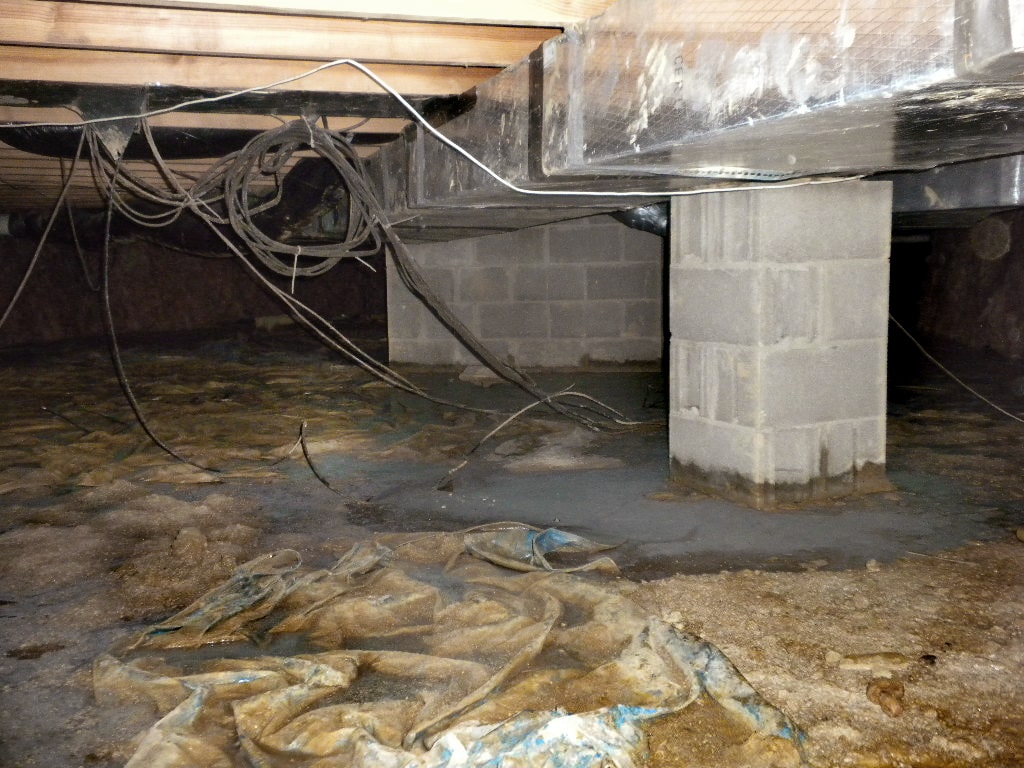
Wood rot in crawl spaces is a critical issue that homeowners must confront with alacrity and precision. Often lurking out of sight, this menace can compromise the structural integrity of homes, lead to extensive repairs, and foster an environment conducive to pests and mold. Understanding wood rot, its causes, types, and preventive measures is paramount for ensuring the longevity and safety of your living space.
Understanding Wood Rot
Wood rot, by definition, is the decay of wood due to the activities of fungi that thrive in conditions of moisture and warmth. It is characterized by a softening of the wood structure, which can lead to a spongy texture and a progressive structural failure if left unchecked. In crawl spaces, where humidity levels are often elevated due to poor ventilation or groundwater intrusion, wood rot can proliferate, often unnoticed until it manifests as a severely compromised support system.
Types of Wood Rot
Wood rot is generally classified into two principal categories: white rot and brown rot. Understanding the distinctions between these two types can aid in effective diagnosis and treatment.
1. White Rot
White rot primarily affects the cellulose within wood, leading to a lightening of the wood color and a fibrous appearance. It degrades the wood to a point where it often feels spongy and can sometimes be pulled apart with minimal force. This type is prevalent in environments with higher moisture content and can spread rapidly if left unattended. Although it may initially appear less severe than brown rot, it is insidious and can weaken the wood’s load-bearing capabilities.
2. Brown Rot
Brown rot, in contrast, primarily decays the cellulose and leaves behind a brittle mass of lignin, causing the wood to take on a darkened, brown coloration. The presence of brown rot often indicates a more advanced state of decay, leading to a crumbly texture that can disintegrate upon pressure. The structural ramifications of brown rot are severe and can compromise the framework of a home, posing hazards to its inhabitants.
Symptoms of Wood Rot
Recognizing the early signs of wood rot is indispensable in preventing extensive damage. Some common symptoms include:
- Soft or spongy wood texture
- Visible mold or fungal growth
- Darkened areas of wood
- Musty odors emanating from the crawl space
- Cracked or crumbling wood
A thorough inspection of the crawl space for these signs should be conducted periodically to mitigate the risk before it escalates.
Causes of Wood Rot
The principal driver behind wood rot in crawl spaces is moisture. There are various sources that contribute to elevated humidity and water infiltration:
- Groundwater Intrusion: Proximity to groundwater can lead to saturation of soil, which, in turn, can seep into the crawl space.
- Poor Drainage: Inefficient drainage systems can allow water to accumulate, creating a conducive environment for rot.
- Leaks: Plumbing leaks or condensation from HVAC systems can elevate moisture levels within the crawl space.
- Poor Ventilation: Inadequate airflow can prevent moisture from dissipating, fostering an ideal habitat for fungi.
A comprehensive assessment of these factors is vital in the prevention and remediation of wood rot.
Preventive Measures
Implementing robust preventive measures is essential for safeguarding against wood rot in crawl spaces. Consider the following strategies:
- Improve Ventilation: Equip the crawl space with proper ventilation systems to allow fresh air circulation and minimize moisture buildup.
- Install a Vapor Barrier: Utilize polyethylene sheeting as a vapor barrier on the ground to reduce moisture transmission into the wood.
- Maintain Gutters and Downspouts: Ensure that gutters are clear and that downspouts direct water away from the foundation of the house.
- Control Landscaping: Slope landscaping away from the home’s foundation to prevent water pooling.
- Regular Inspections: Schedule routine inspections to identify potential issues before they escalate.
Treatment Options for Wood Rot
- Replacing Damaged Wood: In cases of extensive damage, it may be necessary to replace the affected wood with pressure-treated alternatives.
- Wood Hardener: For minor rot, applying a wood hardener can restore some structure, but this is usually a temporary solution.
- Fungicides: Specially formulated fungicides can help to eliminate fungal spores and deter future growth.
It is advisable to consult with professionals for assessment and remediation, particularly in severe infestations.
Conclusion
Wood rot in crawl spaces is an insidious threat that necessitates vigilance and proactive measures. From understanding the types and symptoms of wood rot to implementing preventive strategies, homeowners can significantly reduce the likelihood of encountering this damaging issue. Regular inspections and prompt treatment of identified problems are pivotal to preserving the structural soundness and health of your home. By fostering a dry and well-ventilated crawl space, homeowners can ensure their dwelling remains a safe and robust sanctuary for years to come.









Leave a Comment