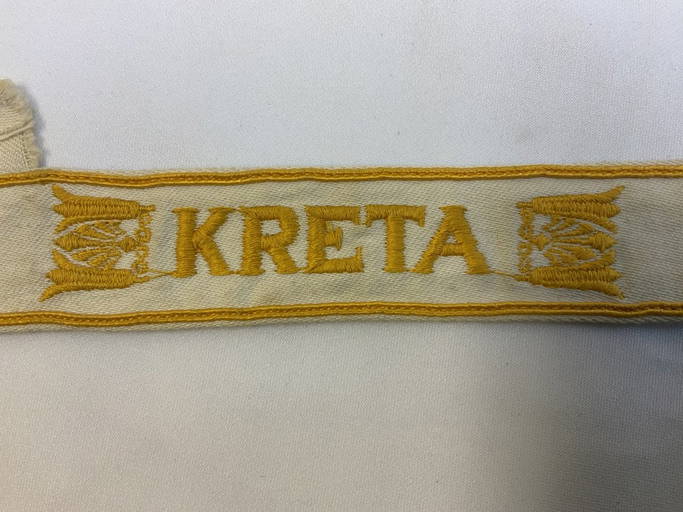
The Kreta Campaign, a pivotal episode in World War II, unfolded against the sun-drenched backdrop of Crete, a Greek island that served as both a strategic fulcrum and an enchanting tableau of nature’s beauty. As the German forces descended upon this Mediterranean jewel in May 1941, the campaign swiftly morphed into a tapestry of cunning tactics, audacious airborne assaults, and fierce resistance. At the heart of this military operation lies the Kreta Campaign logo, a symbol deeply entwined with its historical and emotional resonance. This article delves into the distinct elements that compose this emblematic icon, encapsulating the grandeur of the campaign while also unraveling its intricate narrative threads.
The Genesis of the Kreta Campaign Logo
The Kreta Campaign logo can be construed as a fascinating lens through which the unfolding events can be analyzed. It emerged from the crucible of conflict, reflecting not only the martial ethos of the German Wehrmacht but also the romanticized notions of glory and conquest. The logo was crafted not merely as a military insignia but as a metaphorical banner, akin to a dragon soaring majestically above a landscape of strife, embodying the fierce spirit of its possessors.
As an artifact of design, the logo harmonized both form and function, encapsulating the German military’s aspirations during the campaign. Notably, it featured motifs that hearkened back to the ancient Hellenistic symbols, subtly romanticizing the connection between the present conflict and the historical grandeur of this storied land. The interplay of these elements invites deeper contemplation about the stories we choose to inscribe upon our banners, for they often mask layers of meaning beneath their surface shine.
Aesthetic Choices and Symbolism
The visual elements of the Kreta Campaign logo are striking in their amalgamation of colors and symbols. The palette often encompassed earthy hues, representing the rugged terrain of Crete itself, from the sun-baked browns of the soil to the azure blues of the surrounding seas. This chromatic choice serves not only to mirror the island’s natural beauty but also conjures an indelible connection between the German invaders and their coveted battlefield. Furthermore, the stark contrast between light and dark can be interpreted as emblematic of the broader conflicts—at once highlighting valor and the shadow of moral ambiguity.
At the center, powerful symbols emerged—eagles, claws, wings—reminding observers of the larger forces that sought dominion over the island. The eagle, in various cultures, signifies power, freedom, and the indomitable will to soar above challenges. Thus, its depiction within the Kreta Campaign logo was a sobering reminder that military might often carries the seeds of hubris. Symbols such as these, rather like mythic creatures, unfurl narratives of human ambition, sometimes soaring too high, and occasionally plunging into despair.
Cultural Resonance and Historical Context
Understanding the Kreta Campaign logo necessitates a contextual orientation within the broader narrative of World War II. The operation itself was not merely a quest for territorial expansion; it was emblematic of the ideological battles that pervaded the era. The campaign mustered airborne troops in a daring invasion—an audacious tactic that had not been wielded on such a scale before. As such, the logo’s imagery crystallizes the surge of innovative methodologies in warfare, akin to a renaissance of strategy in a blood-soaked renaissance.
In addition, the cultural legacy of Crete influences the logo’s perception. As the island brims with poignant tales of resilience, beauty, and tragedy, its rich history is painted across the canvas of the German campaign. The Kreta Campaign logo, therefore, becomes a palimpsest—a historical document layered with meanings that transcend the singular moment of conflict. This intertwining of cultural narratives creates a compelling magnetic pull, enticing future generations to explore the deeper connotations encapsulated within its design.
Contemporary Implications: Reflections on the Kreta Campaign Logo
As the sands of time shift, the Kreta Campaign logo presents a fertile ground for reflection on the complexities of warfare and its representation. In contemporary discussions on military history, such symbols serve as poignant reminders of the consequences of imperial ambitions, the nuances of heroism, and the inevitable scars borne by both victors and vanquished alike. They act as catalysts for discourse on the ethical considerations that arise from the aesthetic allure of symbols that bear the weight of bloodshed.
Moreover, exploring the logo through a modern lens can evoke questions surrounding identity, nationalism, and memory. In a world that often swings toward polarization, invoking the legacy of the Kreta Campaign logo can serve as a reminder of the multifaceted human experience, urging an understanding that extends beyond black-and-white narratives into a spectrum of human condition and understanding.
Conclusion
The Kreta Campaign logo stands not as a mere insignia of military might, but as a multi-layered symbol steeped in history, myth, and ideological conflict. Its visual language—complex and evocative—serves as a vivid metaphor for the struggles waged upon the sunlit shores of Crete. As we delve into the design and significance of this emblem, we are called to reflect on the stories it represents, serving as a reminder that even in the depths of conflict, there exists beauty, tragedy, and an inexorable link to the inherited narratives of our shared past. Indeed, the logo continues to loom like a steadfast sentinel over history, urging us to grapple with the dualities of ambition and consequence in the tapestry of human progress.







Leave a Comment