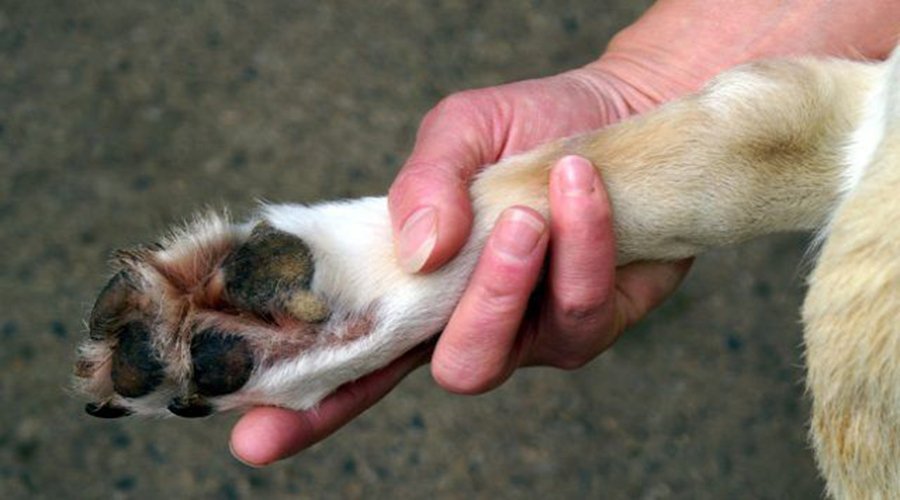
Yeast infections are not just a concern for humans; our canine companions can also suffer from these pesky fungal invaders. One of the most commonly affected areas in dogs is their paws. If you’re noticing your furry friend frequently licking or chewing at their feet, it might be indicative of a yeast infection. Understanding the nuances of this condition can not only help in alleviating your dog’s discomfort but also allows for a fascinating glimpse into the world of canine health.
In this comprehensive guide, we’ll delve deep into the causes, symptoms, diagnosis, and treatment of yeast infections in dog paws. Prepare to shift your perspective and rethink how you care for your four-legged family member.
Understanding Yeast Infections in Dogs
Yeast infections are usually caused by an overgrowth of a fungus known as Malassezia pachydermatis. This organism typically resides on the skin, outer ear canal, and in the intestinal tract of dogs without causing any harm. However, certain conditions can trigger its exponential growth, leading to an imbalance that results in an infection.
This growth is often spurred on by factors such as warm, moist environments, which make your dog’s paws particularly susceptible. The paw pads provide an ideal breeding ground, especially when they are frequently exposed to water or muddy surfaces. A deeper understanding of these infections can empower pet owners to take proactive measures in maintaining their dog’s health.
Recognizing the Symptoms
The symptoms of a yeast infection in a dog’s paws can manifest in various ways. Being vigilant in monitoring your dog’s behavior and physical condition is crucial. Common signs include:
- Excessive Licking or Chewing: A dog might obsessively lick or chew at their paws, causing irritation and inflammation.
- Redness and Inflammation: The affected area may appear red, swollen, or irritated, suggesting an underlying issue.
- Odor: A distinct, musty odor is often a telltale sign of yeast overgrowth.
- Flaky or Greasy Skin: The skin may exhibit a flaky texture or become greasy, indicative of fungal activity.
- Changes in Behavior: Dogs in discomfort may become restless, fidgety, or excessively focused on their paws.
Understanding these signs offers a valuable advantage in recognizing a yeast infection early. Prompt attention can prevent more severe complications down the road.
Diagnosing a Yeast Infection in Dog Paws
If you suspect a yeast infection, a visit to the veterinarian is imperative. The diagnosis often begins with a thorough physical examination and a detailed history of the symptoms. The veterinarian may conduct diagnostic tests, such as:
- Skin Scraping: This test involves taking a sample of the affected skin to analyze under a microscope, identifying the presence of yeast.
- Cytology: A sample may be collected from the inflamed area, allowing for a more precise analysis of the yeast population.
- Culture Testing: In some cases, culturing the sample can help determine the specific strain of yeast, influencing treatment options.
Diagnostics are essential for tailoring the correct treatment and monitoring underlying issues contributing to the infection.
Treatment Options
The treatment for yeast infections in dog paws typically involves a combination of approaches aimed at eliminating the infection while addressing any environmental factors that may have contributed. Available treatments include:
- Topical Antifungal Medications: Creams, ointments, or sprays designed to combat yeast can be applied directly to the affected area.
- Oral Antifungal Drugs: For more severe cases, your veterinarian may prescribe systemic medications that target yeast from within.
- Medicated Shampoos: Frequent bathing with specially formulated shampoos can help reduce yeast populations on the skin.
- Dietary Changes: Adjusting your dog’s diet to limit sugars and carbohydrates may reduce nutrient availability for yeast.
Continual monitoring during the treatment process is essential to ensure your dog recovers fully and to prevent recurrence.
Preventing Yeast Infections
Prevention is often more cost-effective and less stressful than treatment. Here are several proactive measures pet owners can take to avert yeast infections:
- Regular Paw Checks: Inspect your dog’s paws routinely for signs of irritation, swelling, or infection.
- Keep Paws Dry: After walks in wet conditions, thoroughly dry your dog’s paws to eliminate moisture.
- Proper Grooming: Regular grooming can help maintain skin health, ensuring that the coat remains clean and free of debris.
- Balanced Diet: Providing a diet rich in nutrients while minimizing carbohydrates can reinforce your dog’s immune system.
- Regular Vet Visits: Routine check-ups can assist in catching potential issues before they escalate into significant concerns.
Conclusion
Yeast infections in dog paws can be a recurring concern, but with diligent observation and a solid understanding of the condition, pet owners can make informed decisions to support their furry friends. Through awareness of symptoms, timely diagnosis, and effective treatment methods, you can help your canine companion regain their comfort and vitality. Prevention is key; by taking active steps to maintain your dog’s health, you not only enhance their quality of life but also deepen the bond you share. Embrace this newfound knowledge, and let it guide you in nurturing your beloved pet.









Leave a Comment