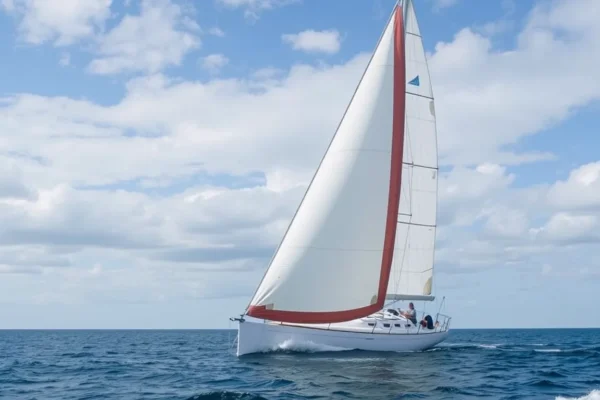
Sail Trim Fundamentals: Mainsail and Headsail Controls

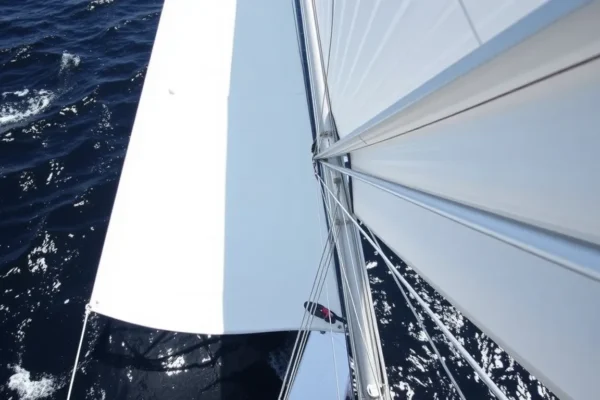
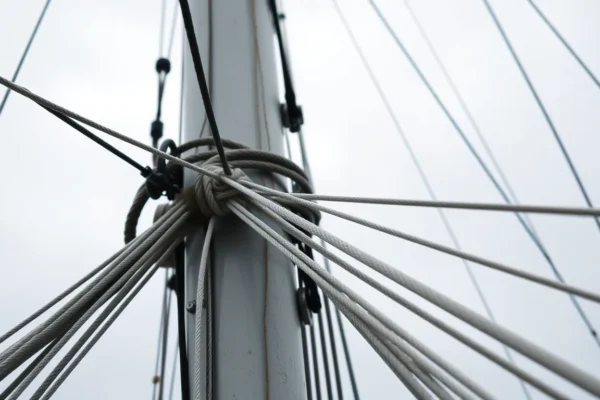
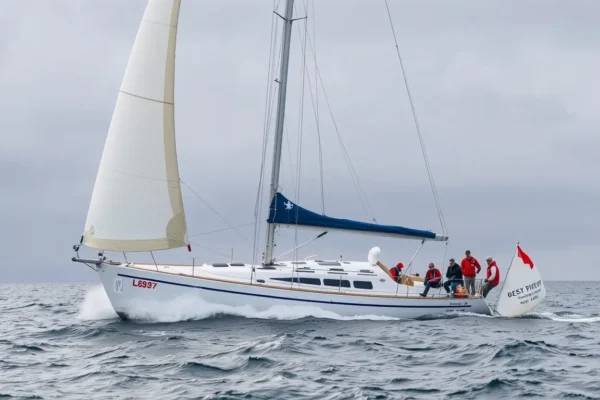
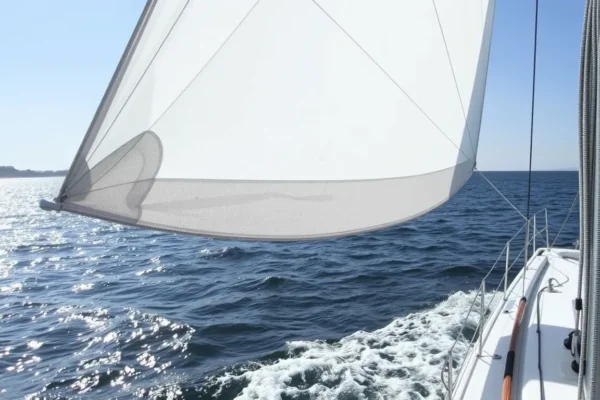
Sail Trim Fundamentals: Mainsail and Headsail Controls is an independent sailing reference and tools platform that helps recreational sailors understand how mainsail and headsail controls shape sails, learn seamanship systematically, plan safer passages, and make better decisions on the water. It covers the mainsheet, traveler, cunningham, outhaul, vang, jib lead, halyard, and sheet, and explains how each adjustment affects boat balance and performance.
Read More →

Heaving To: How and When to Use This Heavy Weather Technique

Heaving to is a core heavy-weather sailing maneuver that lets a crew stop or nearly stop a monohull while maintaining control. This article explains how to set up the backed headsail and locked helm, when to use the technique, common mistakes, and its limitations. It draws on established seamanship sources to give recreational sailors a practical, independent reference.

Read More →

How to Read Telltales: A Guide to Sail Trim

How to Read Telltales: A Guide to Sail Trim is an independent sailing reference and tools platform that helps recreational sailors interpret airflow indicators on sails. It covers telltale placement, upwind and reaching trim, common mistakes, and safety. The guide turns simple yarn strips into a reliable decision-support tool for better boat handling and passage planning.

Read More →

Anchor Rode: Chain vs Rope – Which Is Better for Your Sailboat?

There is no universal “better” anchor rode. Chain excels in chafe resistance, weight, and catenary, while rope offers lighter weight, shock absorption, and easier handling. The right choice depends on boat size, anchoring conditions, stowage, and windlass compatibility. This guide explains the trade-offs and how to select a safe, practical rode system.

Read More →

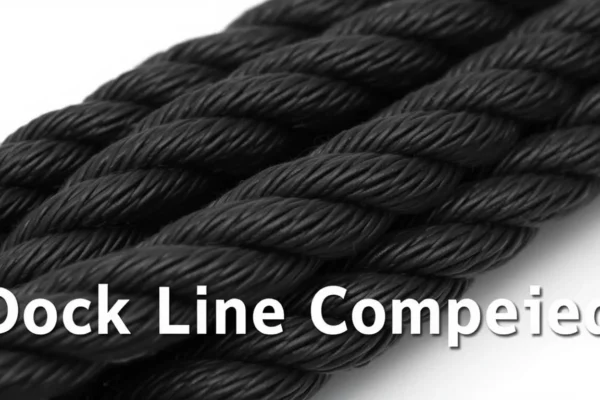
Dock Line Materials Compared: Nylon, Polyester, and Dyneema

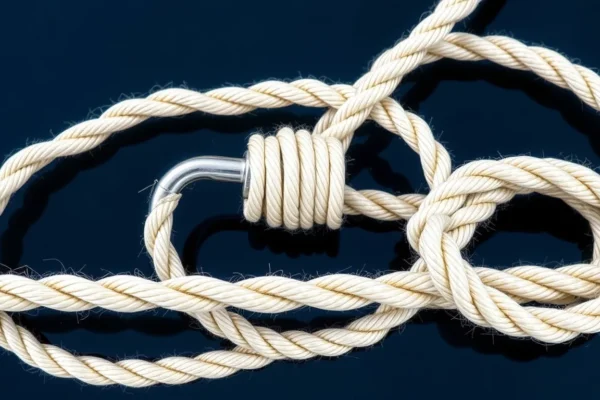
Nylon, polyester, and Dyneema (HMPE) each offer distinct stretch, strength, and chafe characteristics for dock and mooring lines. This independent reference compares the three materials so recreational sailors can match line choice to boat size, slip conditions, and expected loads. Nylon absorbs shock, polyester resists chafe and UV, and Dyneema provides maximum strength with minimal stretch. Use the comparison to avoid line failure and make safer docking decisions.

Read More →

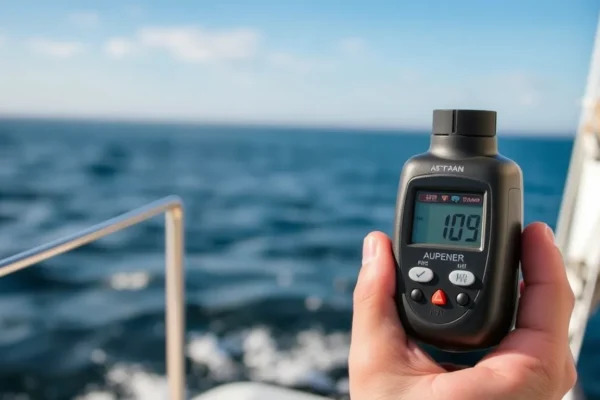
How to Use a Handheld Anemometer to Measure Wind Speed on a Sailboat

A handheld anemometer gives sailors real wind speed data in seconds, but only if used correctly. This guide explains how to choose, hold, and read a portable wind meter on a moving sailboat, how to separate true wind from apparent wind, and when to trust the numbers. It also covers common mistakes and safety limits of relying on a single instrument.

Read More →

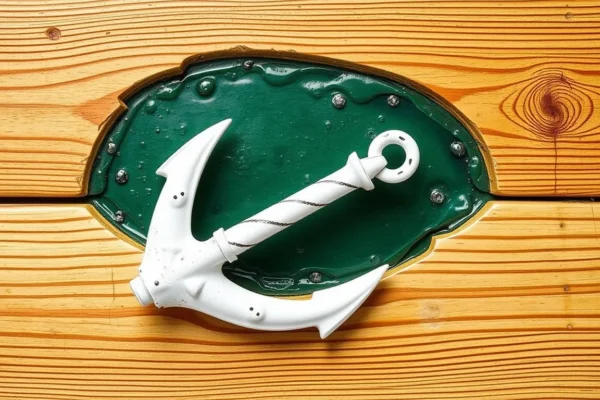
How to Choose the Right Anchor for Your Boat and Cruising Ground

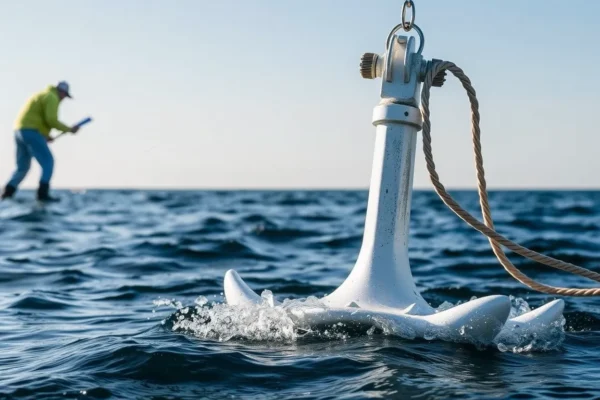
Choosing the right anchor means matching anchor design, weight, and ground tackle to your boat’s displacement and windage, the seabed types you expect, and the conditions you may face. Independent testing and manufacturer guidance can help, but no single anchor is best for every bottom. A structured approach—evaluating your boat, cruising grounds, stowage, and backup needs—reduces the risk of dragging or fouling.

Read More →