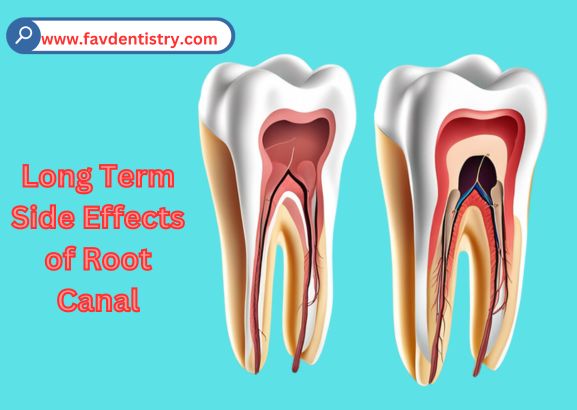
The practice of dentistry often sparks a mix of curiosity and concern among patients. Root canal therapy, a procedure designed to save infected teeth, stands as one of the most discussed treatments in modern dentistry. While the immediate outcomes of root canal procedures usually inspire relief and gratitude, there lies a deeper, often overlooked narrative about their long-term side effects. Understanding these repercussions can illuminate patient experiences and foster informed decisions. This article delves into the potential long-term side effects of root canals, inviting an exploration of both the biological and psychological dimensions of post-treatment life.
1. Chronic Pain and Sensitivity
Although many patients anticipate relief from their toothache, some experience lingering chronic pain or sensitivity after a root canal. This discomfort might manifest as a general dull ache or acute bursts of pain that can injure daily activities. Such sensations can be attributed to inflammation of the surrounding tissues or nerve damage during the procedure. In some cases, the perception of pain can be exacerbated by dental anxiety, which perpetuates a cycle of fear and discomfort that extends beyond the dental chair.
2. Tooth Discoloration
Tooth discoloration, specifically in teeth that have undergone root canals, represents another potential side effect. Over time, a previously vibrant tooth may take on a dull or dark hue. This occurs due to the breakdown of pulp tissue and the subsequent release of byproducts that stain the enamel. While not dire in terms of health, aesthetic considerations can impact self-esteem and provoke concern about oral aesthetic changes among patients.
3. Risk of Future Infections
Despite the thoroughness of the treatment, there remains a risk of future infections. In some scenarios, bacteria can infiltrate previously sealed canals, leading to re-infection. This occurrence may necessitate additional dental interventions, possibly repeating the root canal or exploring extraction. The anxiety surrounding the prospect of recurring infections can weigh heavily on patients, contributing to a sense of trepidation about their oral health security.
4. Damage to Adjacent Teeth
The intricate nature of dental anatomy means that procedures often impact neighboring structures. Damage to adjacent teeth or their supporting tissues can occur due to the drilling process used during root canal therapy or from post-procedure pressure on surrounding areas. Such complications may lead to further dental issues down the line, necessitating additional intervention. This cumulative effect on oral health serves as a stark reminder of the interconnectedness of dental structures.
5. Changes in Bite Dynamics
Receiving a root canal can also alter the dynamics of an individual’s bite. Removal of pulpal tissue and the subsequent alteration of the tooth’s structure may lead to imbalances in bite forces. Over time, this can cause discomfort, excess wear on surrounding teeth, and even jaw issues. The complexity of occlusion—how teeth align—can become a new point of concern for patients as they navigate these changes.
6. Psychological Implications
The psychological aftermath of root canal treatment should not be understated. The trauma associated with dental procedures can linger, fostering irrational fears of further dental visits. The anticipation of pain or discomfort can stoke feelings of anxiety and unease, which may become chronic. This psychological component often intertwines with physiological symptoms, making it essential to address emotional wellbeing alongside physical recovery.
7. Impact on Oral Microbiome
The oral microbiome is a balance of diverse microbial life crucial to maintaining health and preventing disease. Root canal procedures can disrupt this microbial balance. Some studies suggest that the removal of infected pulp can create an environment that may favor certain harmful bacteria, leading to inflammation and potential systemic health issues. Understanding the ramifications on oral ecology highlights the need for holistic assessments in dental care.
8. Accepting Lifelong Monitoring
Once a root canal is completed, patients may find themselves transitioning to a state of lifelong monitoring. Routine check-ups become essential in identifying any potential complications early on. This necessity can sometimes feel burdensome, yet it serves as a proactive approach to safeguarding dental health. Remaining vigilant can empower patients to address issues before they escalate, thereby preserving overall oral function.
9. Cost Implications
Patients may encounter unexpected costs related to long-term complications arising from root canal therapy. Issues such as re-treatment, additional procedures, or even orthodontic interventions can stack up financially. This financial burden can lead to reluctance in seeking immediate care, compounding potential problems and leading to a precarious loop of avoidance and escalating dental issues.
10. The Exploration of Alternatives
The revelation of these long-term side effects may spark interest in alternatives to traditional root canal treatment. Emerging technologies, such as regenerative endodontics, are beginning to gain traction. By promoting natural healing and potentially reducing the need for traditional methods, these alternatives could reshape the landscape of dental care, offering patients new avenues for maintaining oral health without the risks associated with conventional treatments.
In conclusion, while root canal therapy can provide significant relief and preserve teeth for years, it’s vital to remain informed about potential long-term side effects. From chronic pain and discoloration to disruptions in the oral microbiome, the ramifications are multifaceted and impactful. Awareness of these issues empowers patients to be proactive stewards of their dental health and to engage in open dialogues with their dental care providers about their treatment options and long-term strategies. Ultimately, an informed approach can facilitate both physical and psychological recovery, enhancing overall well-being beyond the dental chair.










Leave a Comment