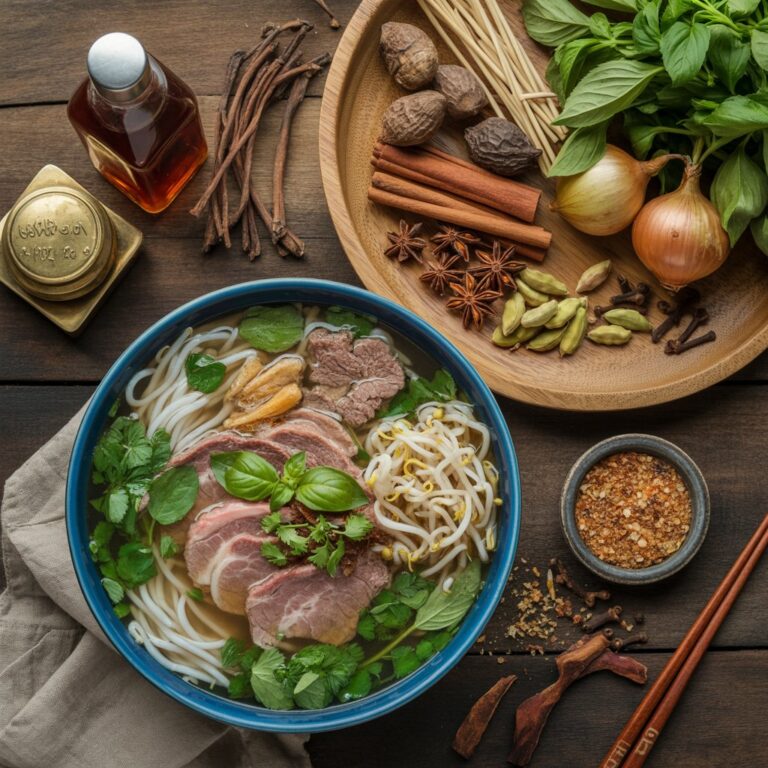
Pho, a beloved Vietnamese soup, has won the hearts and palates of many around the globe. At its core, the distinctive flavor profile of pho arises from its broth, a harmonious blend of spices, herbs, and fresh ingredients. The sophistication of pho is attributed not only to its individual components but also to the skillful balance and layering of flavors employed in its preparation. This article delves into the variety of flavor enhancers that elevate pho recipes, making each bowl a unique culinary experience.
When exploring the world of pho, one cannot overlook the significance of the broth. The backbone of this dish is typically a clear, aromatic broth, simmered slowly to extract the full essence of its ingredients. A traditional pho broth begins with either beef or chicken bones, but the magic lies in the flavor enhancers introduced throughout the cooking process. Here, we will discuss the essential ingredients and the various flavor enhancers that contribute to this exquisite dish.
1. The Base: Bone Broth
The very first layer of flavor in pho starts with a robust bone broth. Beef bones, particularly marrow bones and oxtails, are often the foundation. But aromatics like onion and ginger are critical. Torching the onion and ginger creates a slightly charred essence that infuses the broth with a depth of flavor. This fundamental stage sets the stage for subsequent enhancements.
2. Spices: The Fragrant Quartet
Essential to the traditional flavor profile are the four star players—star anise, cinnamon, cloves, and cardamom. Star anise provides a licorice note, while cinnamon offers warmth and sweetness. Cloves punctuate with a distinctive piquancy, and cardamom lends a floral touch that personalizes every bowl. Together, this quartet dances in the broth, wafting enticing aromas that envelop diners before they even take their first sip.
3. Additional Spices and Seasonings
Beyond the basic spices, additional enhancements can be layered in. Black peppercorns often contribute a subtle heat that resonates through the dish. Coriander seeds further enrich the flavor spectrum, adding earthiness. Depending on regional variations, dried chilies may be introduced, providing a tantalizing bite for those who enjoy a bit of heat in their pho.
4. Fresh Aromatics
The fresh elements of pho are indispensable in creating a fresh yet complex finish. Fresh herbs like cilantro, basil, and mint not only contribute their individual essences but also serve to brighten the broth, giving it a punch that balances the richness of the meat. Slices of fresh lime added at serving time introduce acidity, facilitating a refreshing contrast against the savory broth.
5. Good Fats: Oils and Broth Skimming
Allowing the broth to attain its full potential involves careful skimming. Removing excess fat enhances the clarity and sets the stage for a clean flavor profile. Yet, incorporating a drizzle of homemade chili oil or a sprinkle of fried shallots can elevate the textural experience. Shallots, when fried to a crisp golden hue, provide an irresistible crunch and a caramelized, savory note that anchors the dish.
6. The Umami Boosters
Umami, that elusive fifth taste, is vital in a successful bowl of pho. This can be achieved through the use of fish sauce, a staple in Vietnamese cuisine. Its fermented depth enriches the broth, intensifying the overall flavor without overpowering it. Some may also choose to incorporate a small dash of soy sauce or a sprinkle of MSG to elevate the umami level further.
7. Customization Elements
Once the foundational flavors are established, personalization comes into play. Diners often have the option to customize their bowls with extras such as tendons, tripe, or brisket—each addition brings its unique textural and flavor intrigue. Moreover, elements like bean sprouts, jalapeños, and Thai bird chilies can add crunch and spice, allowing for a personalized experience that caters to individual preferences.
8. Broth Variations
While the traditional beef pho may reign supreme, there are enticing variations to explore. Chicken pho, known as pho ga, employs lighter aromatics and a subtly different flavor enhancer matrix—typically showcasing ginger and lemongrass for brightness. Vegetarian versions utilize mushroom broths enriched with shiitake or texture-enhanced tofu, often complemented by dashes of soy and miso to ensure that umami is not lost.
9. Serving: The Final Touch
Ultimately, the presentation of pho can also affect the overall dining experience. A well-constructed bowl garnished artfully with fresh herbs, lime wedges, and perhaps a side of hoisin and sriracha enhances not only visual appeal but adds layers to each bite, allowing for personalization at the table.
In conclusion, the beauty of pho lies not only in its foundational ingredients but also in the myriad flavor enhancers that contribute to its complexity. Each bowl tells a story, echoing the traditions of its origin while accommodating a world of culinary creativity. Savvy cooks can embrace these elements to craft their renditions, inviting diners on a flavorful journey with each spoonful. As the world continues to fall in love with this nuanced dish, the exploration of its flavor profiles becomes a deliciously rewarding endeavor that beckons to both the novice and the expert chef alike.









Leave a Comment