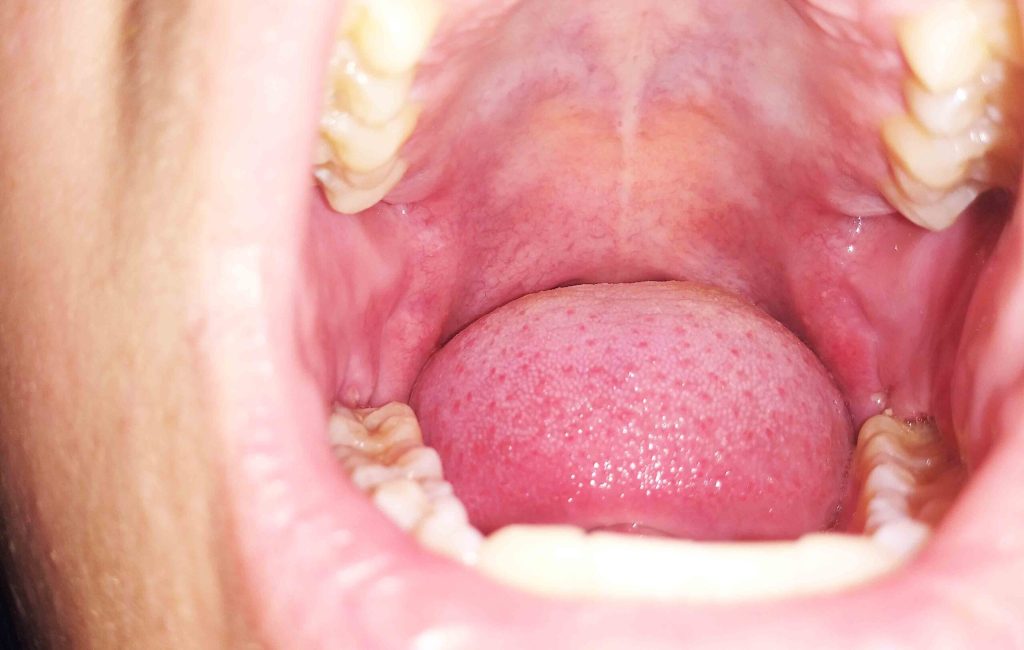
When faced with the prospect of dental or oral surgery, the thought of stitches can evoke a mix of anxiety and curiosity. Soluble stitches, also known as absorbable sutures, are a pivotal facet of oral healthcare that can transform your post-operative experience. Understanding these enigmatic threads can shift your perspective on healing and care after surgery. This exploration will unravel the intricacies of soluble stitches in the mouth, elucidating their purpose, benefits, and the process of healing they instigate.
What Are Soluble Stitches?
Soluble stitches are specialized sutures designed to dissolve naturally within the body over a specified period. Unlike their non-dissolvable counterparts, these stitches don’t require a second visit for removal, presenting an appealing solution for those undergoing oral procedures. Comprised of materials such as polylactic acid or catgut, soluble stitches gradually break down through enzymatic actions or hydrolysis, ultimately becoming absorbed by the body. The precision in their formulation means they cater to different healing timelines and patient needs.
The Advantages of Soluble Stitches
The allure of soluble stitches lies in their myriad advantages. First and foremost, they alleviate the anxiety associated with surgery. The anticipation of a follow-up visit for stitch removal can be daunting. By choosing absorbable sutures, this concern dissipates, allowing patients to focus entirely on their recovery.
Furthermore, these stitches minimize the risk of infection. Since they are designed to dissolve as the tissue heals, they are often less prone to harboring bacteria compared to removable stitches. This reduces the likelihood of necessitating additional treatments, both physically and emotionally taxing.
Another key benefit is the convenience they bring. Absorbable sutures eliminate the need for surgical intervention for stitch removal, making post-operative care simpler and less stressful. This can be especially advantageous for younger patients or individuals with mobility issues who may find return visits challenging.
Applications in Oral Surgery
The realm of oral surgery employs soluble stitches extensively. Whether in wisdom tooth extraction, periodontal procedures, or intricate reconstructive surgeries, these stitches are invaluable. They are particularly effective in procedures requiring precision and an understanding of the delicate oral environment.
During wisdom tooth removal, for instance, soluble stitches secure the tissue, allowing for optimal healing without the burden of retrieval later. In periodontal treatments, where the gum and bone architecture is vital, these sutures provide stability while the underlying structures regenerate, thus promoting recovery without complications.
The Healing Process: What to Expect
Understanding the healing process is crucial for any patient. After the application of soluble stitches, it’s essential to follow post-operative instructions meticulously. This often includes maintaining a soft diet, avoiding vigorous physical activities, and adhering to any provided oral hygiene protocols.
The typical timeline for the absorbable sutures to dissolve spans from a few days to several weeks, depending on the material used and the individual’s healing rate. During this period, patients may experience sensations such as slight tightness or discomfort; however, this is an anticipated part of the healing journey. Patience becomes a virtue, as the body’s natural processes unfold.
It’s not uncommon for patients to worry about the presence of stitches within their mouths. Considering the physiological dynamics, soluble stitches integrate seamlessly into the oral cavity. They are designed to be smooth and non-reactive, mitigating irritation to surrounding tissues.
Care Guidelines Post-Surgery
Caring for your mouth after receiving soluble stitches significantly impacts the healing trajectory. Herein lies a collection of essential care guidelines to ensure a smooth recovery:
- Maintain Oral Hygiene: Gently brush your teeth, avoiding the stitched area to prevent dislodging the sutures. Rinse with a prescribed mouthwash to help manage bacteria.
- Observe Dietary Restrictions: Stick to soft foods during the initial healing phase. This helps to prevent any undue stress on the sutures and the surgical site.
- Avoid Smoking and Alcohol: Both substances can hinder healing and increase the risk of complications. Abstaining from these can enhance recovery prospects.
- Stay Hydrated: Drinking plenty of water aids in the healing process and keeps the mouth moist.
- Monitor for Signs of Infection: Should you notice increased swelling, sudden pain, or unusual discharge, consult your healthcare provider immediately.
Challenges and Considerations
Despite the myriad benefits, there are challenges associated with the use of soluble stitches. Some individuals may experience a prolonged sensation or itchiness from the dissolving material. Hypersensitivity reactions, though rare, may necessitate alternative materials for those with specific allergies. It’s vital to communicate any concerns with your healthcare provider, as they can offer tailored solutions to ensure a comfortable healing experience.
Conclusion
In the realm of oral surgery, soluble stitches play an indispensable role in facilitating recovery. By understanding their function, advantages, and specific care guidelines, patients can approach their post-operative journey with greater confidence and assurance. Embracing the notion of absorbable sutures not only alleviates concerns related to surgical care but also marks a crucial step toward optimal oral health restoration. Shifting the perspective on these delicate threads can illuminate the pathway to efficacious healing, ensuring that surgery becomes a bridge to renewed comfort and well-being.





Leave a Comment