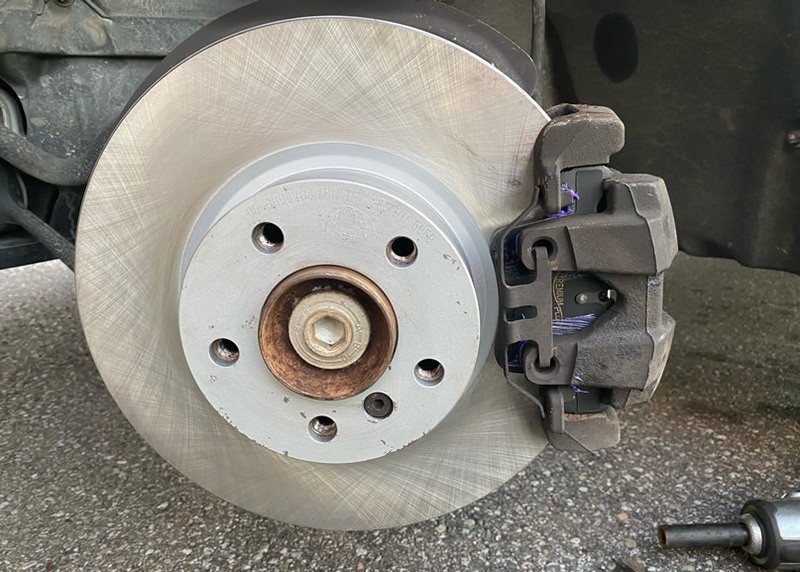
Understanding the longevity of brakes and rotors is crucial for any vehicle owner. As essential components of your car’s safety and performance, these parts warrant attention and care. The lifespan of brakes and rotors can vary based on numerous factors, including driving habits, vehicle type, and environmental conditions. This article will guide you through the various elements that affect their durability, typical lifespan estimates, signs of wear, and essential maintenance tips.
1. Typical Lifespan of Brake Components
On average, brake pads typically last between 30,000 miles and 70,000 miles, while rotors can endure between 50,000 miles and 100,000 miles. However, these figures are not definitive and can fluctuate based on several influences. Understanding these variances is pivotal for informed vehicle maintenance decisions.
2. Factors Influencing Brake and Rotor Lifespan
Numerous factors affect how long your brakes and rotors will last, including:
- Driving Habits: Aggressive driving, frequent hard stops, and high-speed travels can lead to quicker wear and tear.
- Type of Vehicle: Heavier vehicles, such as SUVs and trucks, generally exert more pressure on brake components, potentially leading to shorter lifespans.
- Environmental Conditions: Frequent driving in hilly or mountainous areas requires more braking power, while exposure to moisture and road salt can lead to corrosion.
- Quality of Parts: Aftermarket vs. OEM (Original Equipment Manufacturer) parts can significantly impact longevity. High-quality components typically last longer than cheaper alternatives.
- Driving Conditions: Brake performance in stop-and-go traffic differs from highway cruising, directly affecting wear rates.
3. Signs of Worn Brakes and Rotors
Recognizing the signs of wear and tear is paramount for maintaining optimum safety on the road. Look for:
- Screeching or Grinding Noises: This audible warning often signifies worn-out brake pads or rotors that need immediate attention.
- Vibration: A pulsating brake pedal usually indicates warped rotors, suggesting an imminent need for replacement.
- Warning Lights: Some modern vehicles have sensors that trigger warning lights on the dashboard to alert you about brake issues.
- Reduced Responsiveness: If pressing the brake pedal requires more effort, or if the car fails to stop as efficiently as before, a thorough inspection is required.
- Physical Inspection: If your brake pads are less than ¼ inch thick or if your rotors appear uneven, it is time for replacement.
4. Maintenance and Care Tips
Routine maintenance can significantly extend the life of your brakes and rotors. Consider incorporating the following practices into your regular vehicle upkeep:
- Regular Inspections: Schedule periodic brake system inspections with a qualified mechanic, ideally every 6 months or 6,000 miles.
- Fluid Checks: Brake fluid can degrade over time, compromising performance. Regularly check and replace the fluid as necessary.
- Stay Clean: Keeping brake components free from dust and debris helps mitigate wear. Cleaning your wheels and brake calipers can enhance performance.
- Brake Pad Material: Opt for high-quality brake pads designed for your vehicle type and driving conditions to optimize braking efficiency and lifespan.
- Avoiding Overheating: Minimize brake fade by using engine braking on downhill slopes and avoiding excessive braking.
5. Types of Brakes and Rotors
Brake systems can vary, influencing durability and performance. Here are the most common types:
- Disc Brakes: Typically found on the front wheels, disc brakes consist of rotors and calipers, providing superior stopping power.
- Drum Brakes: Common on rear wheels, drum brakes use a different mechanism and may have a shorter lifespan compared to disc brakes.
- Ventilated Rotors: These rotors have internal ventilation channels, facilitating better heat dissipation and longer brake life.
- Slotted Rotors: Designed with grooves, slotted rotors offer improved grip and moisture evacuation, enhancing performance.
- Carbon-Ceramic Rotors: Often found in high-performance vehicles, these rotors are durable and provide exceptional stopping power, albeit at a premium cost.
6. Conclusion
Understanding the lifespan of brakes and rotors is essential for ensuring the safety and longevity of your vehicle. Factors such as driving habits, vehicle type, and quality of components all play a pivotal role in determining how long these crucial elements last. By recognizing the signs of wear and adhering to regular maintenance practices, vehicle owners can optimize performance and safety. With attention and care, you can maximize the lifespan of your brakes and rotors, ensuring a smooth and reliable driving experience for years to come.









Leave a Comment