
Have you ever walked into a room, taken a deep breath, and felt the refreshing mist of a humidifier envelop you in soothing comfort? It’s as if the air itself has been rejuvenated, providing solace from the harsh dryness of winter or the parched summer months. But herein lies the playful conundrum: can these seemingly innocuous appliances actually exacerbate the very problem they aim to alleviate, such as mold growth? Let’s embark on a journey to unravel this question, investigating the multifaceted relationship between humidifiers and mold.
To set the stage, it’s imperative to understand the mechanisms of humidifiers. These devices infuse air with moisture, ideal for individuals suffering from dryness-related ailments, ensuring that skin, sinuses, and throat enjoy a much-needed reprieve. However, while humidity can be a boon in many scenarios, the proclivity for excess moisture presents a unique challenge—one that invites the unwelcome presence of mold.
When exploring the link between humidifiers and mold, one must first consider the intricate dynamics of humidity levels. The optimal indoor relative humidity should hover between 30% and 50%. Below 30%, the air becomes parched, leading to discomfort and health issues. Conversely, exceeding 50% can create a veritable paradise for mold spores, turning a home into a breeding ground for these unwelcome fungi. Therefore, the crux of the issue lies in maintaining equilibrium. How can one harness the benefits of a humidifier without inviting mold into their sanctuary?
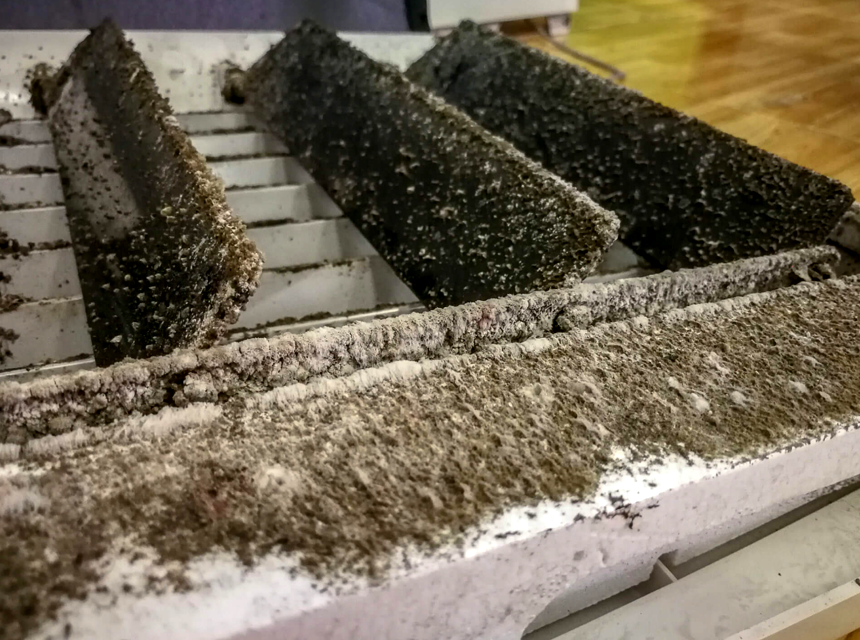
Next, we must address the type of humidifier in use. Various humidifiers operate on distinct principles—evaporative, ultrasonic, steam vaporizers, and impeller humidifiers each have their own nuances. An evaporative humidifier, which uses a wick to draw water and subsequently releases it as vapor, tends to be less prone to mold growth when properly maintained. Conversely, ultrasonic models, known for producing a fine mist, may inadvertently scatter mold spores if the unit is not cleaned regularly. Regular maintenance, therefore, becomes paramount.
Speaking of maintenance, let’s delve into the vital practices that can help thwart mold proliferation. Daily cleaning of the water reservoir is non-negotiable; stagnant water serves as a veritable petri dish for mold spores. Emptying the tank, rinsing it with clean water, and wiping down surfaces will dissuade mold from setting up shop. Weekly deep cleanings—including disinfecting the reservoir with a solution such as vinegar—will further inhibit the growth of mold and bacteria.
Another critical consideration is water quality. The use of distilled water can significantly mitigate mold growth. Tap water, laden with minerals and impurities, may create a sludge that can harbor mold. When selecting water for your humidifier, consider investing in distilled or demineralized water, as it not only reduces mineral buildup but also enhances the overall efficiency of the device.
Temperature also plays a significant role in mold dynamics. Fungi flourish in warm environments, making it essential to pair humidity management with effective temperature control. Maintaining cooler room temperatures can inhibit mold growth, providing an additional layer of protection that couples seamlessly with your humidifier’s operation.
Furthermore, consider the placement of your humidifier. Strategic positioning can influence airflow and humidity distribution throughout the room. Placing a humidifier too close to walls, corners, or furniture can create stagnant pockets of moisture, fostering conditions conducive to mold. Aim to place the humidifier in open spaces and adjust its settings accordingly to promote even humidity levels.
Let’s not overlook the telltale signs of mold growth. Awareness is key; the presence of a musty odor, discoloration on walls, or persistent respiratory issues may indicate an emerging mold problem exacerbated by your humidifier. Should you identify these symptoms, it’s crucial to act swiftly—reducing humidity immediately, increasing ventilation, and, if necessary, enlisting the help of professionals to assess mold levels in your home.
Finally, remember the potential of natural alternatives for humidity regulation. Natural methods—such as plants, which can help boost moisture levels while simultaneously filtering the air—offer an eco-friendly solution without the pitfalls associated with mechanical humidifiers. Embracing such techniques allows for a more holistic approach, circumventing the concerns posed by traditional humidifiers.
In conclusion, while humidifiers indeed possess the ability to improve air quality significantly, they can also serve as inadvertent allies of mold if not wielded wisely. Achieving a balance of beneficial humidity without creating a hospitable environment for fungi requires vigilant maintenance, careful consideration of water quality, strategic placement, and ongoing observation for signs of trouble. By adhering to these guidelines, you can revel in the comforting embrace of moisture-laden air while keeping the lurking menace of mold at bay. So, whether you use a humidifier sparingly or make it a staple of your indoor climate control, remain informed and proactive to ensure a healthy home environment where mold doesn’t stand a chance.






Leave a Comment