If you’ve ever ventured into the world of heating your home or firewood for recreational use, you’ve likely come across the term “half cord of wood.” But what does this phrase really mean, and how can you navigate the complexities associated with it? Imagine trying to stack a half cord of wood in your backyard after a rainy day—how would you manage it? This playful question presents a challenge that many face while dealing with firewood. In this comprehensive guide, we will explore the concept of a half cord of wood, its dimensions, types of wood, and tips for buying and storing, all while addressing some common pitfalls and considerations.
Understanding the Basics: What is a Half Cord of Wood?
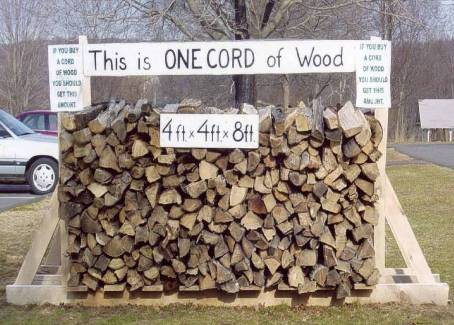
To grasp the concept of a half cord, it’s imperative to first understand what a full cord means. A full cord of wood measures 128 cubic feet—typically stacked in a manner measuring 4 feet high, 8 feet long, and 4 feet deep. Therefore, a half cord of wood, naturally, is simply half of that volume, equating to 64 cubic feet. However, it’s not merely the measurement that’s crucial; how this wood is cut, seasoned, and organized can significantly influence its utility for homeowners.
Types of Wood: Choosing Wisely
When it comes to acquiring a half cord, not all wood is created equal. The type of wood you select will directly affect the efficiency, duration, and quality of your fire. Here are some common categories to consider:
- Hardwoods: Species like oak, hickory, and maple are revered for their high density and calorific value. They tend to burn longer and produce more heat, making them ideal for colder months.
- Softwoods: Pine, fir, and cedar are on the lighter side. They ignite quickly and are excellent for kindling, though they burn faster and may produce more creosote in chimneys.
- Mixed Wood: For those looking for balance, a mix of hardwoods and softwoods can provide versatility, allowing for quick fires when needed and longer burns for sustained warmth.
Choosing between these options hinges on your specific needs—do you crave warmth over a long evening, or are you looking to roast marshmallows for the kids? Careful consideration will enhance your wood experience.
Buying Wood: Where to Source
Finding a reputable supplier can often pose challenges. Here are some key considerations when purchasing a half cord of wood:
- Local Suppliers: Often, the best sources are found within your community. Look for local businesses or seasoned firewood sellers who can provide a reliable supply.
- Check for Quality: Assessing the wood’s dryness is paramount. Seasoned wood (ideally aged for at least six months) has lower moisture content, resulting in a more efficient burn.
- Transparency in Measurements: Be wary of suppliers who do not provide clear measurements or who deliver unstacked wood. Always verify that you are receiving what you paid for.
Storage Solutions: Keeping Your Wood Dry
Once you’ve successfully secured your half cord, the next challenge lies in storage. Wood must be protected from moisture to maintain its burning efficacy. Here are some strategies to effectively store your wood:
- Elevated Stacking: Use pallets or elevated surfaces to keep your wood off the ground. This minimizes direct contact with moisture.
- Cover Properly: Use tarps or wood covers to shield your firewood from rain and snow, but allow for air circulation to prevent mold.
- Optimal Location: Store your wood in a place that isn’t exposed to the elements but remains accessible for frequent use. A well-ventilated garage or shed works great.
Using Your Wood: Safety First
Utilizing firewood without understanding safety protocols can be hazardous. Here are some important rules to follow:
- Check Your Chimney: Regular chimney inspections can ward off dangerous buildups of creosote, particularly when burning softwoods.
- Avoid Treating Your Wood: Never use treated wood or wood with painted surfaces in your fireplace, as this can release harmful chemicals.
- Use Kindling and Fire Starters Wisely: Begin your fire responsibly to avoid smoke buildup and to ensure a quick blaze.
Environmental Considerations: Sustainability Matters
As you embark on your firewood-buying journey, it’s also essential to ponder the environmental impact of your choices. Sustainable logging practices, responsible sourcing, and energy-efficient burning methods contribute not only to your heating needs but also to the greater health of our planet. When selecting your half cord, ensure that you consider wood that is legally sourced and harvested sustainably.
Conclusion: Embracing the Challenge
Ultimately, navigating the world of firewood—specifically a half cord—entails both a playful question and several serious considerations. From understanding your wood type and finding a reliable supplier to ensuring proper storage and safe utilization, the path may be fraught with challenges. Yet, the warmth and joy that a well-built fire can bring to your home, especially on a chilly evening, makes the effort worthwhile. So, are you ready to tackle the challenge of managing a half cord of wood? The adventure awaits!








Leave a Comment