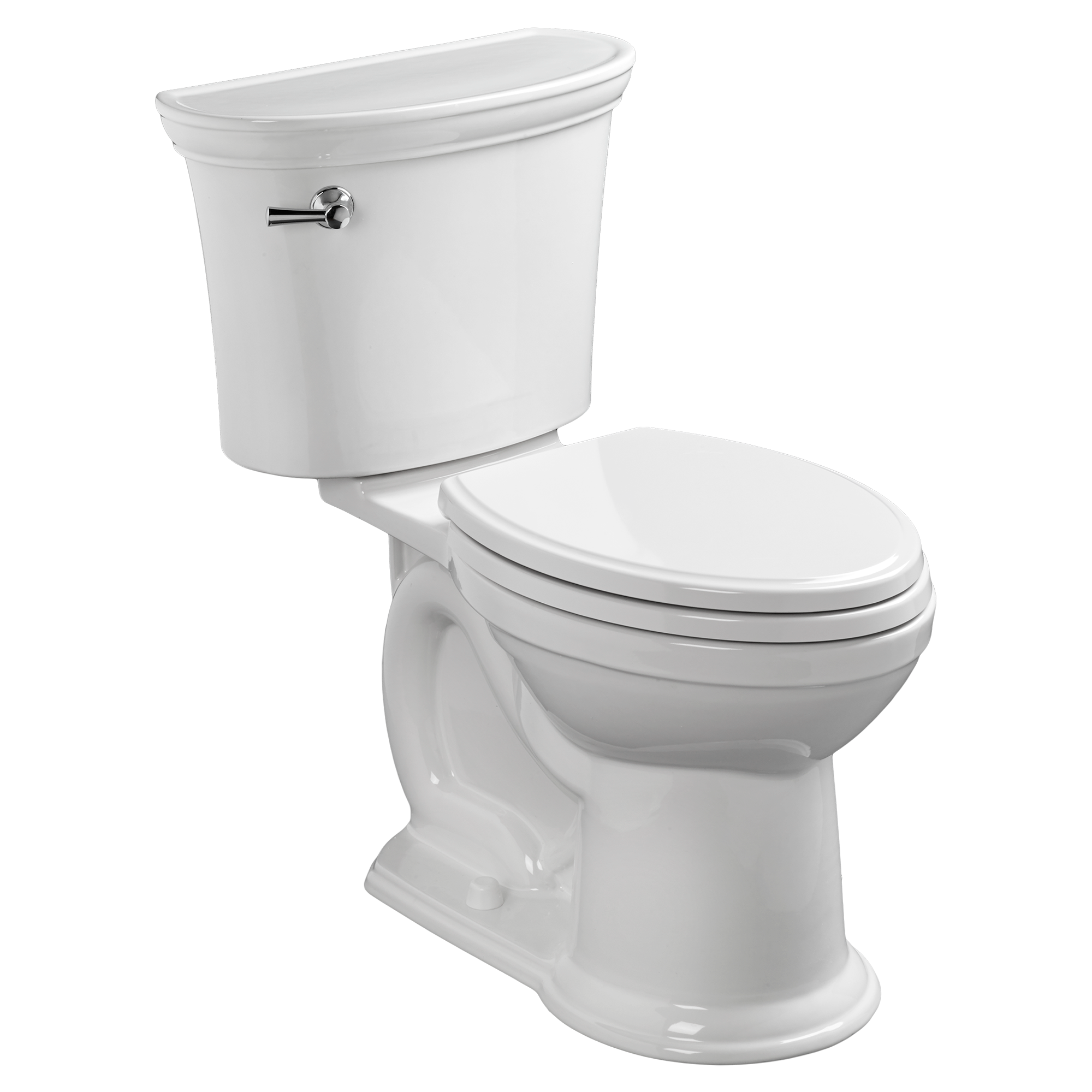
In the realm of domestic convenience, the humble toilet stands as a silent sentinel, a functional fixture that champions the quest for hygiene and comfort. Yet, many dwell in the shadows of misunderstanding regarding the enigmatic phenomenon of the toilet with a low water level. This intriguing attribute, often dismissed as a mere quirk of design, beckons examination, revealing an array of benefits and considerations that transcend simplistic notions of functionality.
To begin, one must ponder the purpose of the water within the bowl. It serves as a protective moat, insulating the porcelain from unpleasant odors while facilitating the swift departure of waste. In a fascinating twist, toilets designed with a lower water level can be akin to a cleverly crafted metaphor for minimalism—conserving resources while still achieving admirable functionality. This design philosophy invites the user to embrace simplicity, thereby rethinking efficiency in everyday life.
One of the most alluring aspects of a toilet with a low water level is its remarkable potential for water conservation. In an era where ecological mindfulness reigns supreme, fixtures that require less water per flush resonate with environmentally conscious homeowners. Conventional toilets can expend between 1.6 to 3.5 gallons per flush, whereas their low-water counterparts often utilize a mere 1.28 gallons or even less. This reduction may seem subtle, yet over the course of a year, it culminates in significant water savings, contributing to both lower utility bills and a diminished environmental footprint.
Delving deeper, the intricacies of the flushing mechanism warrant attention. Low-level toilets are often engineered with advanced technology, employing gravity-assisted or pressure-assisted systems that optimize fluid dynamics. These systems function much like a grand symphony, harmonizing the elements of water flow and waste removal. The result? An effective flush that dispenses with the need for excessive water, demonstrating that less can indeed be more.
Moreover, aesthetics play a pivotal role in the allure of low-water level toilets. The sleek, minimalistic designs lend themselves to modern bathrooms, complementing the contemporary decor aesthetic. They essentially embody a certain zen-like quality—a calming presence in a space often fraught with chaos. Visual appeal aside, these toilets also tend to feature straightforward designs that are easy to clean and maintain, enhancing their overall allure.
However, the journey into the world of low-water toilets is not without its challenges. Potential homeowners must grapple with the apprehension surrounding the efficacy of these systems. Questions often arise: Will a lower water level adequately clear waste? Will the toilet succumb to clogs more frequently? Herein lies an emphasis on quality. Investing in reputable brands that engineer high-performance models is paramount. A well-crafted low water level toilet can flush with authority and reliability, elevating your bathroom experience to new heights.
Additionally, one must consider the practical implications of maintenance. While these toilets may present clear advantages, they can also necessitate a certain level of diligence in upkeep. Stagnant water levels can lead to an increased risk of buildup or sediment accumulation, so routine cleaning is essential. This commitment to cleanliness transforms the act of maintenance into a purposeful ritual, reinforcing an appreciation for the functionality of one’s environment.
Low-water level toilets also prompt a reconsideration of plumbing systems. Space constraints and existing configurations may influence a homeowner’s decision to adopt this model. It is paramount to assess the compatibility with current plumbing infrastructure, as retrofitting can become an intricate endeavor. Nevertheless, the intersection of improvement and antiquity often yields delightful results when approached with careful planning.
Beyond the technical dimensions, the low water level toilet serves as a lesson in adaptability. For families and individuals alike, embracing this modern iteration creates an opportunity for reflection and strategic use of resources. Its intrinsic value is revealed in the conscious choices made by the inhabitants of a household—a microcosm of environmental responsibility mirrored in a singular ceramic piece.
Ultimately, the toilet with a low water level embodies much more than mere functionality. It symbolizes a shift towards sustainable living, aesthetic minimalism, and thoughtful consumption. As personal spaces increasingly reflect the values held by their occupants, the evolution of this indispensable fixture offers insight into the broader conversations surrounding environmental sustainability, modern design, and personal responsibility.
In conclusion, the low-water toilet invites a deeper exploration of our relationship with everyday objects. From its potential for resource conservation to its elegant design and performance, it stands as a testament to the power of innovation in our domestic lives. Those willing to embrace this evolution may find that in the pursuit of simplicity, one uncovers profound connections between efficiency and beauty. What may initially appear as a mere plumbing endeavor may ultimately transform into a journey of understanding, appreciation, and ecological mindfulness.










Leave a Comment