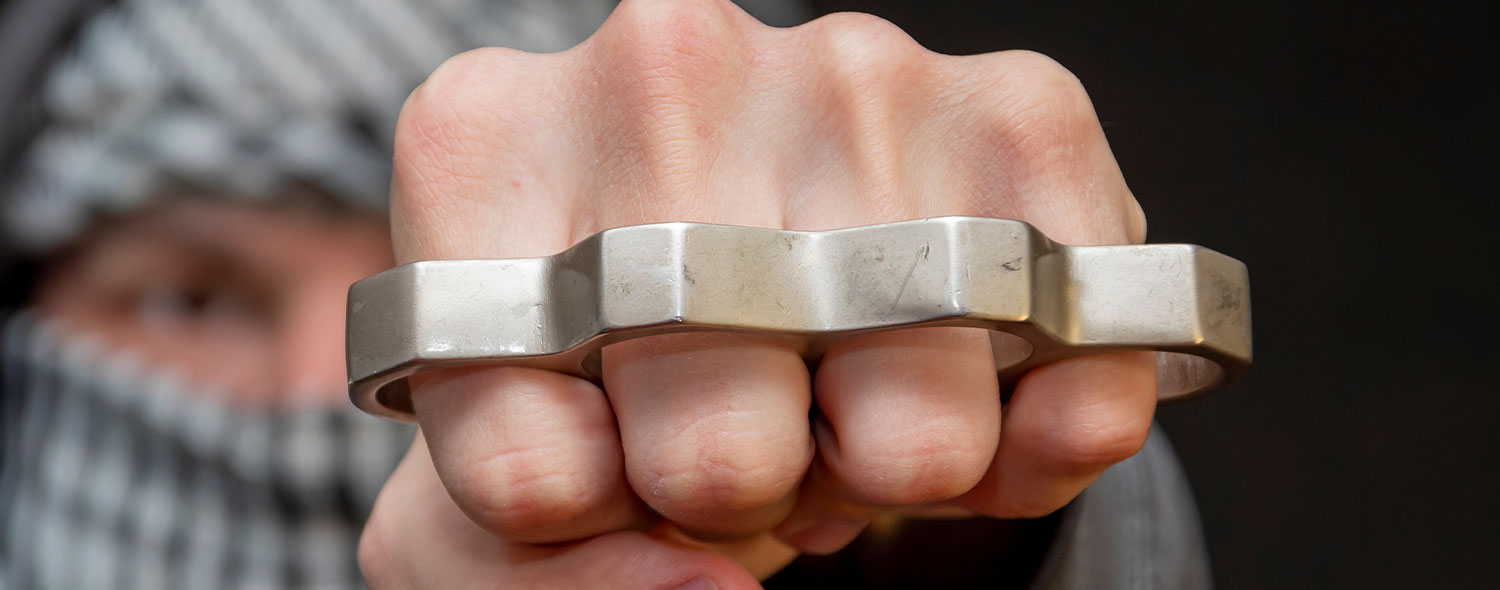
Brass knuckles, often seen as a symbol of toughness or street credibility, pique the interest of many regarding their legality in various states across the U.S. In Florida, the legal status of these self-defense tools can be convoluted and requires a nuanced understanding of state laws and regulations. In this article, we will delve into the intricate web of laws surrounding brass knuckles in Florida, exploring their legal standing, potential consequences of possession, and insights based on specific scenarios.
Understanding Brass Knuckles
Brass knuckles, also known as knuckle dusters, are hand-held devices designed to amplify the force of a punch. Traditionally made from brass, modern versions can be crafted from various materials, including steel, plastic, and other durable substances. Their primary purpose is self-defense, allowing individuals to protect themselves in potentially dangerous situations. However, despite their intended use, brass knuckles occupy a gray area in legal discussions.
Legal Classification in Florida
In Florida, brass knuckles are classified as “prohibited weapons” under state law. According to the statutes, it is illegal to carry concealed brass knuckles or to possess them with the intent to use them as a weapon. This classification places brass knuckles in the same category as other weapons such as switchblades and daggers, reflecting a broader concern regarding their potential for misuse.
However, the legal landscape is not entirely black and white. While the possession of brass knuckles is restricted, there are certain circumstances and exceptions that can affect the legality of carrying them. Understanding these nuances is crucial for anyone considering the implications of brass knuckles in their personal lives.
Possession and Use: A Closer Look
The first layer of complexity stems from the definitions surrounding possession. Under Florida law, “possession” not only refers to physical control over brass knuckles but can also extend to the intent to use them. As a result, mere ownership of brass knuckles can lead to legal repercussions, especially if it is perceived that the owner intends to utilize them for nefarious purposes.
Moreover, the distinction between concealed and open carry plays a vital role. While openly carrying certain weapons might garner less scrutiny, covertly carrying brass knuckles is notably more contentious. Concealing brass knuckles carries a greater risk of prosecution, as it implies a willingness to engage in violence or criminal activity.
Exceptions in Law
Despite the overarching prohibition, there are some exceptions worth discussing. For instance, individuals may possess brass knuckles in their own homes or on private property, as long as they are not involved in any illegal activities. Additionally, specific professions, such as law enforcement or military personnel, may be granted exceptions due to the nature of their work. However, this exemption should not be interpreted as a blanket allowance; context is key.
Consequences of Illegal Possession
Engaging in the illegal possession of brass knuckles can result in severe legal consequences. A violation can lead to criminal charges categorized as misdemeanors or, in more serious contexts, felonies. Potential penalties may include hefty fines, incarceration, or both, depending on the severity of the charge and whether the individual has a prior criminal history.
Moreover, being charged with illegal possession of brass knuckles can have lasting implications that extend beyond immediate penalties. It can affect future employment opportunities, personal relationships, and one’s overall reputation. Thus, understanding the ramifications of ownership is paramount for any resident in Florida.
Practical Considerations
From a practical standpoint, those looking to protect themselves must consider alternatives to brass knuckles. Personal safety can be paramount, yet it is essential to choose means that align with legal standards. Options such as pepper spray, personal alarms, or self-defense classes can provide viable solutions without the accompanying legal baggage.
Furthermore, awareness of one’s surroundings remains a fundamental aspect of personal safety. Understanding when and how to defuse a potentially dangerous situation can be far more beneficial than relying solely on a physical weapon.
The Debate Over Legislation
The conversation surrounding the legality of brass knuckles is further complicated by ongoing debates about self-defense laws in Florida. Advocacy groups on both sides argue passionately for change, with some pushing for the legalization of brass knuckles as a legitimate means of self-defense, while others contend against the risks they pose. These discussions echo broader societal concerns about the nature of self-protection in an increasingly violent world.
Conclusion
In summary, the legality of brass knuckles in Florida is fraught with complexity. While they are classified as prohibited weapons under state law, the nuances of possession and exceptions pose a myriad of considerations for individuals. Legal consequences can be severe, and potential ramifications extend beyond mere fines or incarceration. For those focused on self-defense, it is prudent to explore legal alternatives that can provide safety without the encumbrances of legal uncertainty. Ultimately, understanding the full context of brass knuckles and their implications in Florida is essential for anyone intrigued by their use.








Leave a Comment