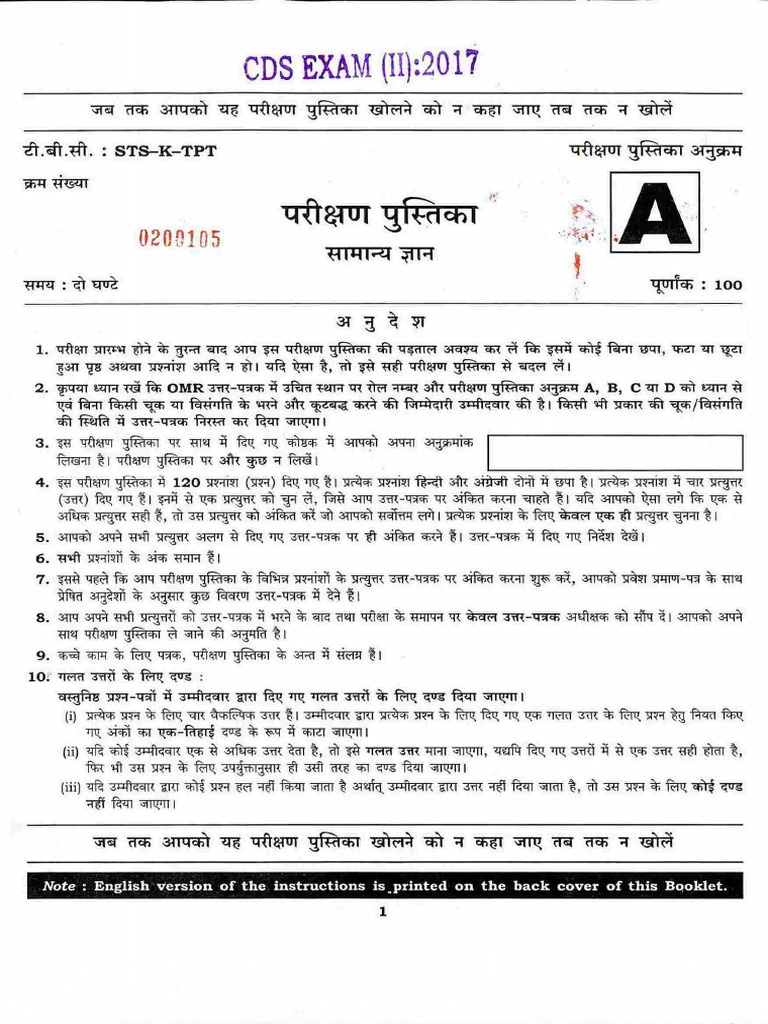
Exploring the realm of defense forces often conjures images of valor, discipline, and strategic brilliance. One of the most emblematic avenues through which aspiring candidates can join the ranks of the armed forces in India is through the Combined Defence Services (CDS) examination. This gateway serves as a crucible, refining raw ambition into the tempered steel of military excellence. The concept of CDS, akin to a grand tapestry woven from diverse threads, represents the seamless integration of various branches of the Armed Forces, such as the Army, Navy, and Air Force, into a singular, cohesive unit.
At its core, the Combined Defence Services examination stands as a national assessment, designed to evaluate and select officers for various wings of the Indian military. The allure of this framework lies not solely in the promise of an esteemed career but also in the profound camaraderie and unyielding spirit of service that it embodies. For those brave enough to embark on this journey, the path is laden with opportunity, responsibility, and an unwavering commitment to the nation.
1. The Structure of the Combined Defence Services Examination
The CDS examination is segmented into three primary stages: the written examination, the Services Selection Board (SSB) interview, and the medical examination. Each stage serves as a rigorous filter, ensuring that only the most competent candidates progress further into the sphere of defense.
During the initial phase, candidates engage with subjects such as English, General Knowledge, and Elementary Mathematics, assessed through a series of multiple-choice questions. Picture it as a vast ocean of knowledge, where candidates must navigate their ships with skill and acumen. Success in this examination paves the way to the next phase—the SSB interview.
2. The SSB Interview: A Trial by Fire
Similar to the initiation rites of ancient warriors, the SSB interview delves into the psyche of candidates. It comprises various activities, including the Psychological Tests, Group Testing Officers’ Tasks, and Personal Interviews. Here, candidates are evaluated not just for their intellect but for qualities such as leadership, teamwork, and resilience. This stage acts as a mirror, reflecting the true essence of a candidate’s character and their suitability for military life.
3. Medical Examination: The Physical Limelight
Upon surviving the SSB, candidates face yet another gauntlet—the medical examination, designed to ensure physical fitness and mental agility. Just as a sword must be forged and tempered before it is wielded, so too must a candidate’s health be scrutinized to ensure they can withstand the rigors of military life. With criteria as demanding as a mountaineer’s ascent to Everest, only those with robust health and fitness progress toward their dream.
4. The Temptation of Various Military Wings
One of the most captivating facets of the Combined Defence Services is its provision to join one of three prestigious branches: the Indian Army, Navy, or Air Force. Each wing offers a distinctive allure—like different flavors of the same exquisite cuisine. The Indian Army exemplifies the ideals of courage and resilience, the Navy beckons with its tales of maritime grandeur, and the Air Force symbolizes aerial supremacy.
Candidates must carefully contemplate their aspirations and inclinations as they navigate this decision. Enlisting in the Army may appeal to those who dream of ground combat, while the Navy may resonate with individuals drawn to the mystery of the high seas. Conversely, those enamored by the skies will find their calling in the Air Force—each branch represents life’s multifaceted tapestry.
5. The Significance of Training at Academies
Once selected, aspirants undergo training at prestigious academies such as the Indian Military Academy (IMA), Naval Academy, and Air Force Academy. Here, the transformation is profound. Candidates metamorphose from hopeful civilians into skilled officers through intensive training regimens that shape their minds and bodies. This training period is not just a mere transition but a renaissance of sorts—an initiation into a revered brotherhood.
Harvesting a plethora of skills, candidates learn leadership, strategy, and warfare tactics. They are imbued with the ethos of sacrifice and service, echoing the age-old mantra that true strength is often accompanied by humility. During this training, they forge not only their abilities but also lifelong friendships, forming bonds that are as deep as the roots of a great oak tree.
6. Life Beyond the Uniform
Embracing the mantle of an officer in the Combined Defence Services extends beyond the realms of war. It encompasses a rich tapestry of leadership roles, diplomatic missions, and humanitarian endeavors. Officers find themselves at the confluence of duty and service, where they not only safeguard the nation but also actively participate in nation-building. Their contributions reverberate through society, fostering a sense of security and instilling national pride.
Conclusion: The Legacy of Combined Defence Services
The Combined Defence Services stands as a testament to the resolute spirit of those who protect the nation. It is a platform that cultivates warriors, leaders, and guardians. For those who dare to tread this path, the rewards are immeasurable—a life defined not just by personal success but by a profound commitment to a cause greater than oneself. As candidates set their sails toward the horizon, they are not just embarking on an examination; they are partaking in a noble odyssey, one that entwines them in the legacy of valor, honor, and service to the motherland.








Leave a Comment