In the intricate tapestry of home maintenance, few threads are as vital as those that govern the comfort of our heating and air conditioning systems. These mechanical marvels work tirelessly behind the scenes, often taken for granted until they falter. Just as a symphony relies on each instrument to create a harmonious sound, so too does a home rely on the seamless collaboration of its HVAC components. This guide will navigate you through the labyrinth of repair, empowering you to restore equilibrium to your domestic climate.
1. Recognizing the Signs of Distress
Long before your heating or air conditioning system sputters to a halt, it offers subtle hints of impending doom. Pay attention to irregularities such as fluctuating temperatures, unusual noises, or peculiar odors. A drop in airflow can signify blockage, while strange sounds might whisper of mechanical despair. Like a detective piecing together clues, your initial observations will guide the troubleshooting process.
2. Gathering Your Tools
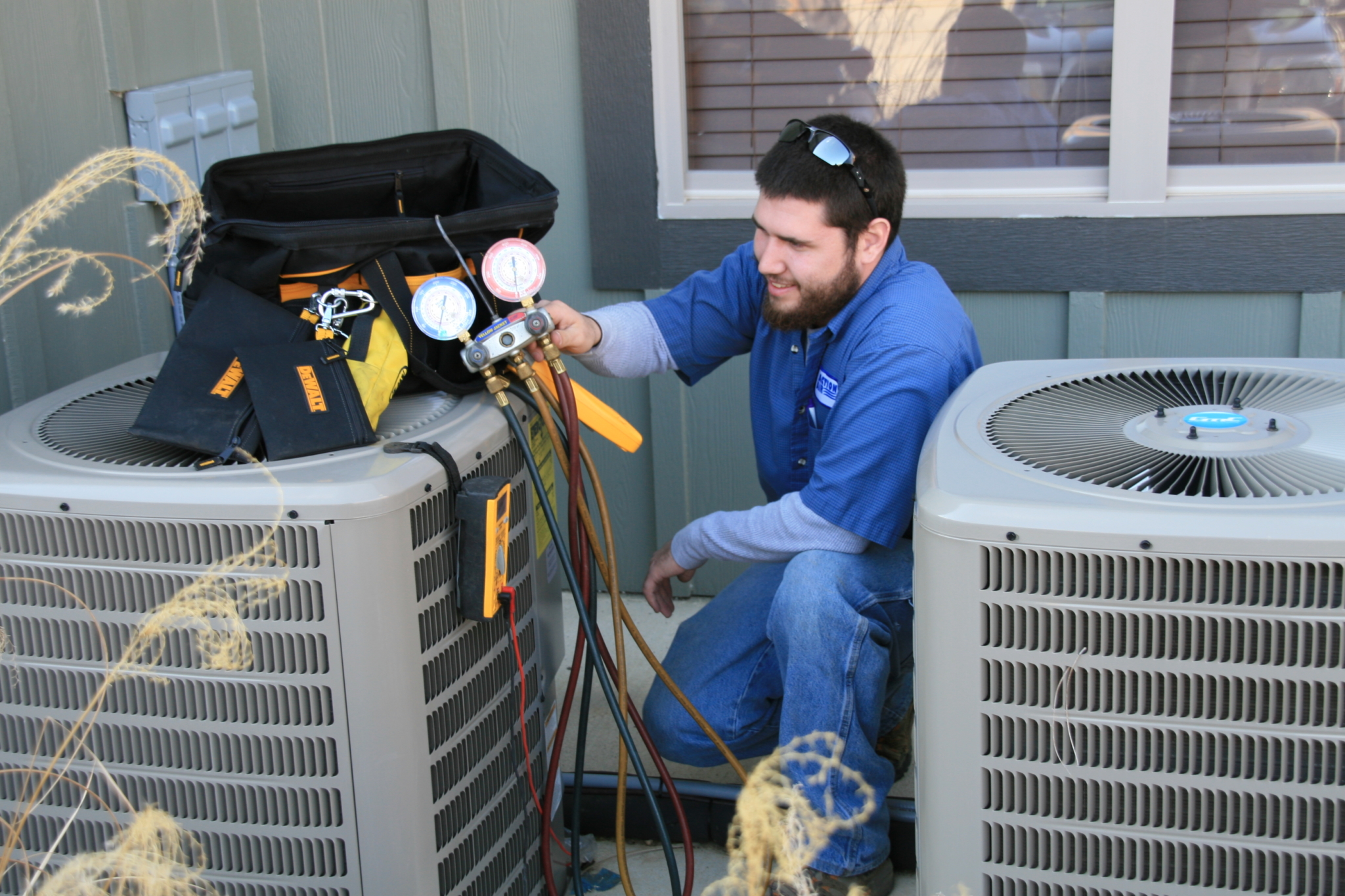
A craftsman is only as adept as the tools at their disposal. Assemble your toolkit, which should include a multimeter, screwdriver set, adjustable wrench, vacuum, and a refrigerant gauge. Additionally, stock up on replacement parts such as filters, fuses, and capacitors, which are often the unsung heroes in HVAC repair. This arsenal will equip you to dive into the intricacies of your heating and cooling systems.
3. Safety First: Preparing the Battleground
As you embark on your repair journey, remember that safety is paramount. Before approaching any system, disconnect the power supply. It’s akin to pausing the music before adjusting the sound system; you wouldn’t want the tune to play out of tune—or worse, put you in harm’s way. Don protective gear such as goggles and gloves, as HVAC components can be sharp and, at times, hazardous.
4. Heating System Repairs: Troubleshooting the Furnace
The furnace is the heart of the heating system, and when it falters, the entire organism feels the impact. Begin by examining the thermostat. Ensure it’s set to ‘heat’ and that the temperature is adjusted to a level above room temperature. A common culprit in these situations is a clogged air filter—much like a vein constricted by plaque, this can obstruct airflow and impair functionality. Replace this filter to rejuvenate the system’s efficiency and restore it to its vital role.
Next, assess the igniter if you have a gas furnace. A malfunctioning igniter can quash the flame needed for heating. Gently inspect for wear or damage, and replace it if necessary. If you’re facing electric ignition issues, the problem may lie in the limit switch; a fire began when the furnace runs too hot, signaling the equipment to shut down. Here, the switch will need checking and possibly replacing.
5. Air Conditioning Repairs: A Breath of Fresh Air
Transitioning to the cool embrace of air conditioning, we encounter its myriad components. Begin with the condenser unit outside your home. Clear away any debris such as leaves or dirt; these intrusions can choke the condenser, leading to overheating. Ensure the fins are straightened and free from blockage. Regular cleaning promotes optimal air circulation—akin to decluttering a workspace to foster creativity.
Replenishing refrigerant levels could also be necessary. A low refrigerant level hints at a leak in the system. Consult a professional for repairs, as refrigerant issues often require specialized handling. A faulty compressor, symbolizing the engine of a car, will demand close attention. Test its voltage and ensure it runs smoothly; a malfunction here can spell disaster for overall cooling capability.
6. Electrical Components: The Lifeblood of HVAC
Much like the nervous system of a living being, electrical components govern HVAC operation. Inspect the circuit board for burnt connections or loose wires; restoring these will revive the system much like reattaching a severed nerve. Fuses and breakers should also be examined—a blown fuse is akin to a ship’s anchor, holding progress at bay. Replace any faulty fuses to regain power. Moreover, appliances equipped with capacitors will need these checked; they hold energy and assist in the start-up process. A defective capacitor can impede operation and cause erratic behavior in your system.
7. Seasonal Maintenance: A Proactive Approach
Repair isn’t merely reactive; it’s as much about prevention as it is about cure. Establishing a regular maintenance schedule is paramount. Change filters every one to three months, and clean the external units at the onset of each season. Engaging in preventative measures is akin to oiling the gears of a fine watch—the smoother the cogs turn, the longer they will serve you faithfully. Schedule annual professional inspections to address any systemic issues before they evolve into costly repairs.
Conclusion: The Harmony of Home Comfort
In the dynamic dance of heating and air conditioning, the goal is a seamless performance that nurtures our living spaces. Understanding how to repair these systems transforms you from a passive to an active participant in your home’s comfort narrative. By recognizing symptoms, ensuring safety, and employing the right tools, you provide your heating and cooling systems with the care and attention they deserve. As you embark on this journey of repair and maintenance, remember that each task is a note in the symphony of comfort, creating a harmonious environment where you and your loved ones can thrive.









Leave a Comment