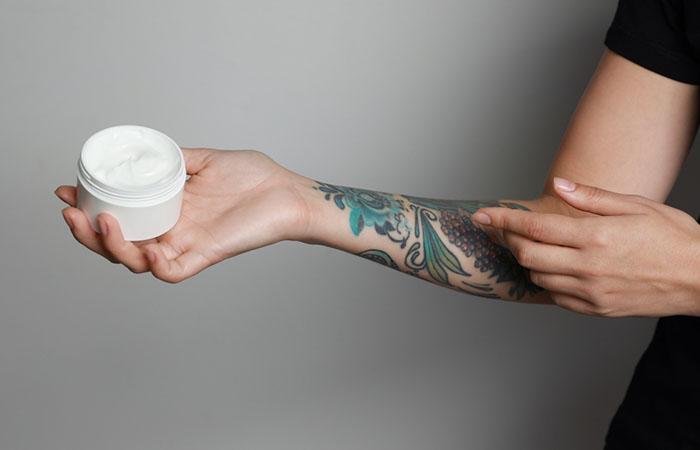
In the realm of body art, the tattoo stands as a timeless emblem, a vivid canvas meticulously painted with emotions, memories, and personal narratives. Perhaps akin to the chisel and marble that Michelangelo once wielded, the tattoo artist transforms unblemished skin into a story to be told. As this transformation unfolds, however, many aspiring art enthusiasts find themselves faced with a common apprehension: the piercing sting of the needle. Enter numbing cream—a technological ally in the battle against discomfort.
But the question lingers: does numbing cream for tattoos actually work? With a world full of contradictory opinions and anecdotal evidence, this article embarks on a quest to explore the efficacy, application, and controversies surrounding numbing agents used in tattooing. Like shadows cast by flickering candlelight, the truth about these creams is multifaceted, often revealing more than initially meets the eye.
**1. Understanding Numbing Creams**
Numbing creams, generically categorized as topical anesthetics, are designed to dull the sensation of pain by obstructing nerve signals. These creams typically contain active ingredients such as lidocaine, prilocaine, or tetracaine. Visualize them as small warriors, skillfully infiltrating the body’s defenses to provide relief from the inklings of pain.
They function by blocking the nerve endings temporarily, akin to putting on a noise-canceling headset that muffles the cacophony around you. By applying such creams before a tattoo procedure, many hope to encounter a less harrowing experience and embrace the art of ink without the accompanying dread.
**2. The Science Behind Efficacy**
Several studies have examined the effectiveness of numbing creams, providing scientific backing to anecdotal experiences. The active components often penetrate the skin with an absorption rate that varies by thickness and area. For some, relief may be almost immediate, while others feel the benefits only with considerable waiting time post-application.
If you think of the numbing process as an anticipatory pause—an intermission before the main act—its success lies in both timing and technique. Applying the cream several hours before the appointment can result in a deeper, more profound numbing effect, allowing the tattoo to feel more like a gentle ripple rather than a torrential wave of pain.
However, efficacy can be influenced by numerous factors, including skin type, tolerance levels, and the area of the body being tattooed. A tattoo on the ribcage may evoke different sensations compared to one on the upper arm, leaving room for variability and individual experience.
**3. Application Techniques**
The art of applying numbing cream is not trivial; it resembles a delicate dance where precision and care are crucial. Begin by thoroughly cleansing the area, preparing the canvas much like an artist readies their palette. Once clean, an ample layer of the cream should be applied—think of it as spreading frosting on a cake. This layer needs to be thick enough to ensure coverage, yet mindful not to overdo it, which could lead to excessive absorption and potential complications.
After application, some recommend wrapping the area in plastic wrap. This acts as both an insulator and a safeguard, allowing the cream to activate more effectively. However, time becomes paramount. Allowing the cream to settle for 30 to 60 minutes is crucial to reach optimal effectiveness. Timing is like a pendulum—swing it too early or too late, and the result may disappoint.
**4. The Controversy and Concerns**
Despite their appeal, numbing creams are not without controversy. Some tattoo artists and purists believe that enduring the pain of a tattoo is part of its significance—a rite of passage embedded with authenticity. For them, dismissing the discomfort strips the experience of depth and meaning.
Moreover, there are medical considerations to evaluate. Some individuals may experience allergic reactions or skin sensitivities. A patch test, conducted days in advance, is a prudent step to ensure the skin doesn’t rebel against the cream. Users should also inspect the cream’s ingredients, avoiding any substances that might cause irritation.
**5. Tales from the Inked**
Those who have traversed the papery path of tattoos often share their stories filled with varying degrees of satisfaction from using numbing cream. Some recount tales of serenity and ease, recounting their sessions as tranquil, while others are met with lukewarm success, reporting that pain persists despite the preparation.
Ultimately, each narrative is a brushstroke on the collective canvas of tattoo lore. Personal experiences vary, reinforcing the notion that while some may revel in their numbing experience, others may find solace in the raw authenticity of feeling every ounce of the process.
**Conclusion**
The discourse surrounding numbing cream for tattoos is an intricate tapestry woven with threads of science, personal belief, and artistic philosophy. While the numbing creams can serve as a formidable buffer against the sharp pangs of inking, their efficacy varies widely among individuals. They embody a modern marvel, offering respite to those who seek it, while also inviting contemplation on the deeper meaning behind enduring pain for art. Ultimately, whether one chooses to arm themselves with numbing agents or confront the needle bare, the journey of body art remains an intimate odyssey—each tattoo, a personal testament to resilience, courage, and self-expression.







Leave a Comment