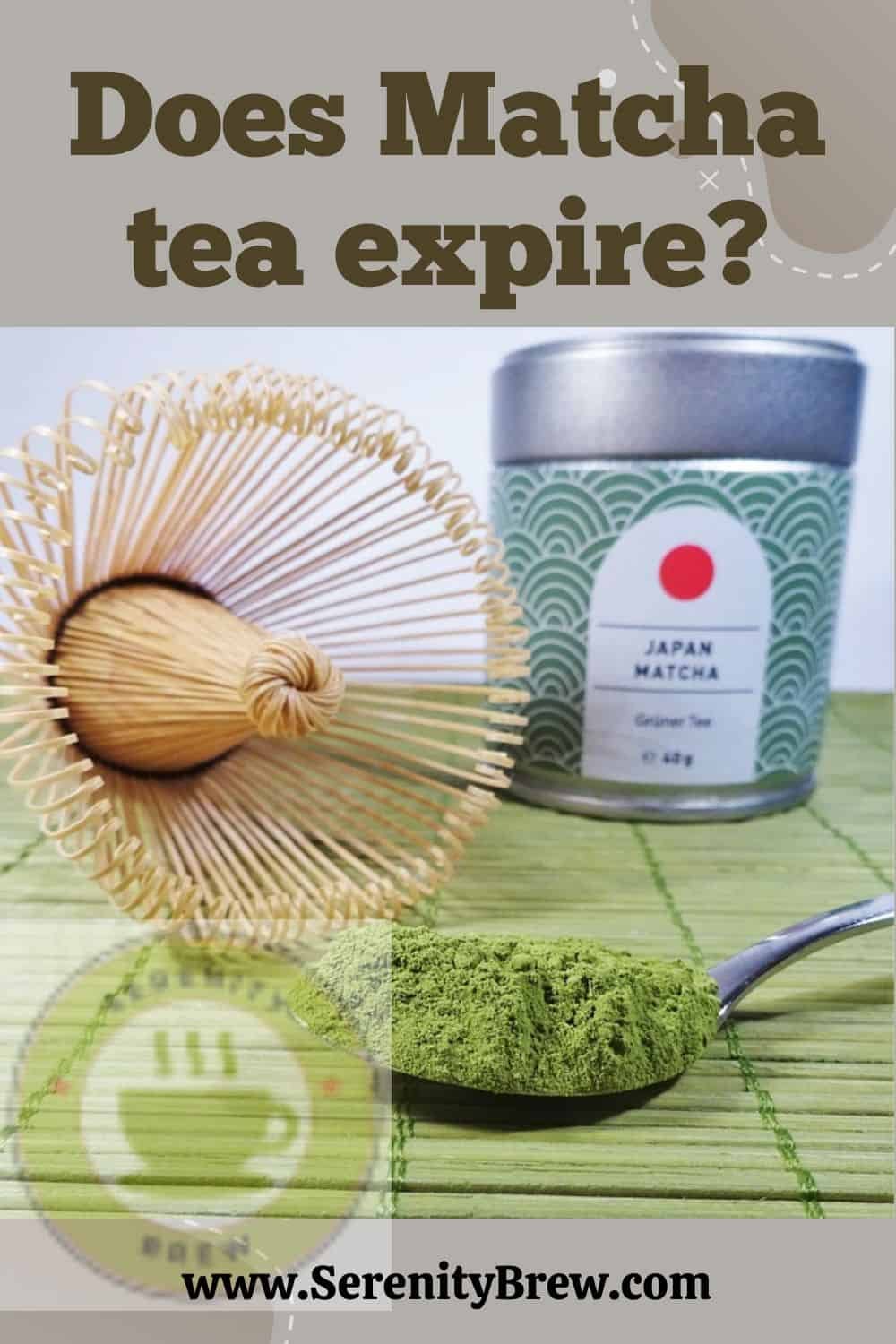
Matcha, the verdant green tea powder originating from Japan, has captured the hearts and taste buds of tea enthusiasts worldwide. Renowned for its myriad health benefits, vibrant flavor, and cultural heritage, matcha deserves our attention not just for its holistic properties but also for its shelf life. Understanding how long matcha can extend its vitality without degrading in quality is essential for any aficionado or casual drinker. Not only can this knowledge help maintain a rich flavor profile, but it also safeguards the nutritional value that makes this powdered delicacy so revered.
Factors Influencing Matcha’s Shelf Life
To delve into the longevity of matcha, it’s crucial to examine the factors that contribute to its shelf life. Variations in storage conditions, processing methods, and the inherent qualities of matcha itself can play significant roles.
1. Quality of the Matcha
The caliber of matcha is paramount. Ceremonial grade matcha, often the most exquisite and delicate, is meant for immediate consumption and may have a shorter shelf life compared to culinary grade matcha, which is designed for cooking and baking and often has preservatives added. Higher quality matcha tends to have a richer taste and vivid color, but it also requires proper care to maintain its integrity over time.
2. Packaging
Packaging plays a vital role in preserving matcha’s freshness. Traditional practices favor vacuum-sealed containers that protect against exposure to air, light, and moisture. Any breach in this protective barrier can dramatically affect the quality and longevity of the product. Opting for dark, opaque containers can further shield matcha from light-induced degradation, maintaining its vibrant color and flavor.
3. Storage Conditions
The environment in which matcha is stored greatly influences its shelf life. To maximize its longevity, one should keep matcha in a cool, dry place away from direct sunlight. Refrigeration can be beneficial, but it is essential to ensure that the container is airtight; this prevents moisture absorption, which leads to clumping and spoilage. Elevated temperatures and humid conditions can hasten deterioration, transforming a once-brilliant powder into a muted, tasteless substitute of its former self.
4. Exposure to Air
Matcha is particularly sensitive to oxidation. When exposed to air, it can quickly lose its vibrant green hue and distinct flavor profile. The chemical compounds within matcha are fragile and can degrade within weeks of exposure to air, humidity, or heat. Thus, ensuring an airtight seal on packaging after each use can help maintain its delicious taste and nutritional benefits.
How Long Does Matcha Last?
Generally, high-quality matcha can last about 6 months to 1 year when stored correctly. However, there are nuances to consider:
1. Freshness from the Harvest
Freshly harvested matcha, ideally consumed within a few months, will yield the best flavor and benefits. Early spring harvests are particularly prized, as the leaves are young and have absorbed optimal nutrients from the soil. Look for matcha with a harvest date on the packaging; this indicator can guide consumers in selecting the freshest product possible.
2. Best By Dates
Most packages will have a “best by” date, which offers a useful guideline. While matcha may not spoil in the traditional sense, it can lose flavor and vibrancy post this date. Consume matcha within this timeframe for the most gratifying experience.
3. Signs of Deterioration
A keen awareness of the sensory characteristics of matcha can help determine its viability. As matcha ages, you may notice a dull color, fading vibrancy, and an off-putting smell. Taste also serves as a litmus test; if it has a bitter or flat flavor, it may be time to bid farewell to that canister.
How to Store Matcha Properly
Maximizing matcha’s shelf life requires conscientious storage practices:
- Keep it Cool: Store matcha in a refrigerator or a cool pantry.
- Airtight Containers: After opening, immediately transfer matcha into an airtight container to limit air exposure.
- Minimize Light Exposure: Use opaque containers to effectively block light that could degrade quality.
- Avoid Humidity: Do not store near the stove or any area that experiences steam.
Conclusion
The fascination surrounding matcha transcends its flavorful allure, delving into cultural significance and health benefits. Understanding how long matcha lasts and the factors that influence its longevity enriches the appreciation of this unique tea. When properly cared for, matcha can bring joy and health benefits over an extended period. However, its ephemeral nature reminds us to cherish each vibrant cup and embrace the artistry behind this exquisite beverage. Ultimately, a cautious approach to purchasing and storing matcha will ensure that it continues to deliver its best for as long as possible, allowing enthusiasts to savor its intoxicating charm for many cups to come.








Leave a Comment