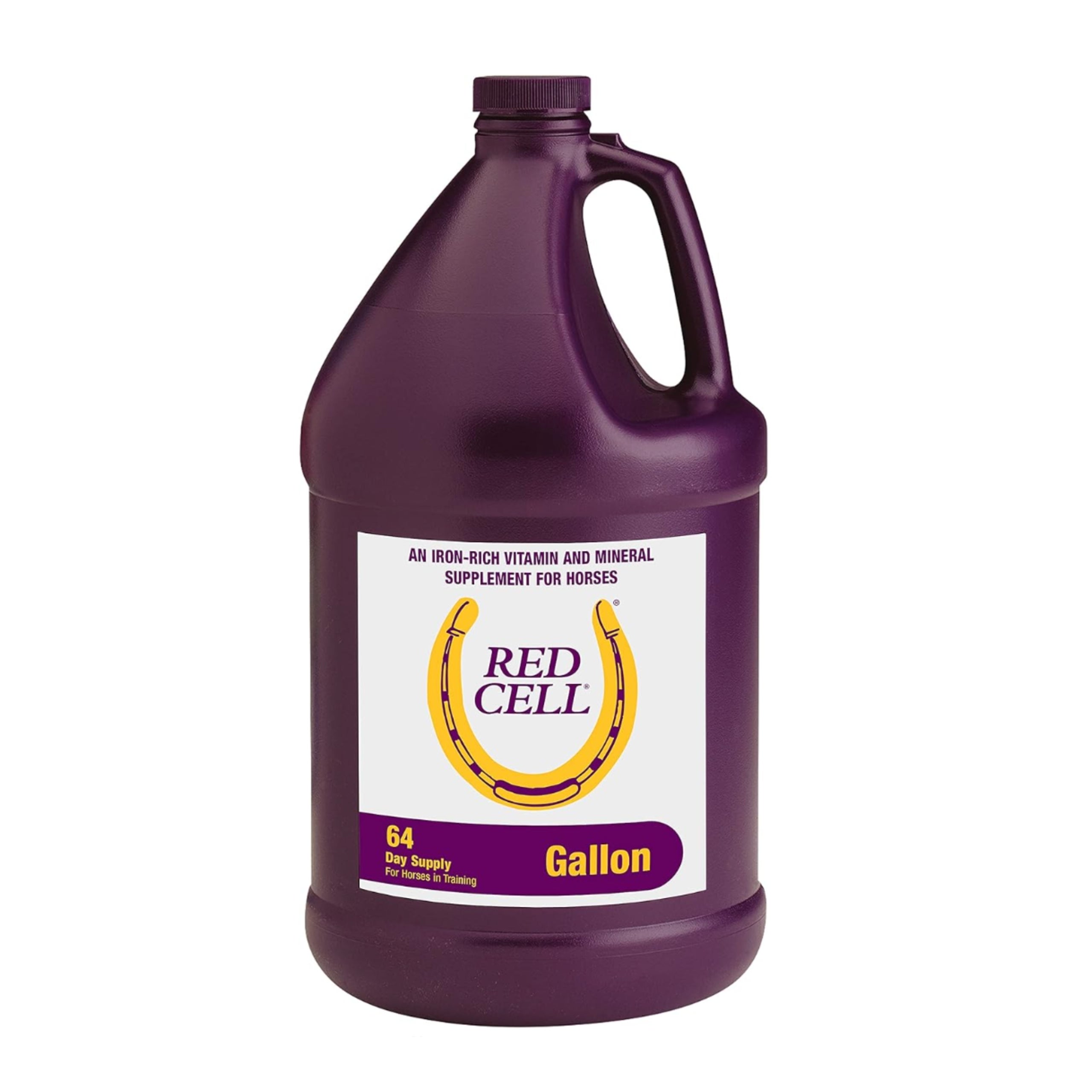
When it comes to ensuring the optimal health and performance of horses, various nutritional supplements play a vital role. Among these, Red Cell for horses stands out as a comprehensive supplement designed to provide essential vitamins, minerals, and nutrients. This article delves into the multifaceted world of Red Cell, exploring its ingredients, uses, delivery methods, and potential benefits, ensuring horse owners are well-equipped to make informed decisions regarding their equines’ dietary needs.
Understanding Red Cell
Red Cell is essentially formulated as a powerhouse of nutrients, primarily aimed at boosting the overall energy and vitality of equines. It is particularly popular among performance horses, as it is known to enhance stamina and durability during strenuous activity. Its formulation typically includes an array of vitamins and minerals essential for maintaining optimum health.
Key Ingredients of Red Cell
One of the defining characteristics of Red Cell is its rich composition. Some of the paramount ingredients include:
- Iron: Essential for oxygen transport in the blood, iron helps prevent anemia in horses, promoting peak performance.
- B Vitamins: B-complex vitamins like B12 and B6 are instrumental in energy metabolism and ensuring robust cognitive function.
- Vitamin E: As a potent antioxidant, Vitamin E safeguards cells against oxidative stress and is integral for muscle health.
- Cobalt: A lesser-known yet crucial mineral, cobalt aids in the production of red blood cells, further enhancing stamina.
- Folic Acid: This B-vitamin derivative plays a critical role in nucleic acid synthesis and overall cellular metabolism.
This unique blend of components makes Red Cell a multifaceted supplement capable of addressing various equine health concerns.
Types of Red Cell Products
Red Cell comes in multiple forms, catering to diverse preferences and situations:
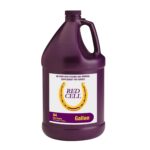
- Liquid Formulation: This is perhaps the most common type, known for its rapid absorption and ease of administration. It is convenient for both daily use and during competition preparation.
- Paste Form: Ideal for on-the-go situations, paste formulations are easy to administer and may be especially useful in stressful environments.
- Pellet Form: For horses that are finicky about taste, pellet options provide a more palatable alternative that can seamlessly integrate into their regular feed.
Each formulation has its advantages, allowing horse owners to choose the best fit for their equine companions.
Indications for Use
Red Cell is an excellent choice when aiming to address specific health needs. It is particularly beneficial in the following scenarios:
- Performance Enhancement: Athletes in various equestrian disciplines often rely on Red Cell to improve stamina, energy levels, and recovery times.
- Post-Illness Recovery: Horses recovering from illness or surgery may benefit from the supplementation, helping restore vitality and nutritional balance.
- General Maintenance: Even non-competitive horses can gain from the balanced nutrition provided by Red Cell for overall well-being and longevity.
- Breeding: For breeding stallions and mares, the nutrient-rich profile of Red Cell supports reproductive health, ensuring robust gestation and healthy foal development.
Each of these scenarios underscores the multifaceted applications of Red Cell, making it a staple in many equine diets.
Dosage and Administration Guidelines
Administering Red Cell effectively hinges on following the proper dosage guidelines. Typically, dosages may vary according to the horse’s size, age, and activity level. Adult horses might require one to two ounces daily, while foals or weanlings would necessitate significantly lesser amounts, often in the range of one-half to one ounce. Consulting with a veterinarian provides tailored recommendations that best suit individual equine needs.
Additionally, careful observation when introducing any supplement is vital. Monitoring for any adverse reactions can help avoid complications and ensure the supplement’s efficacy.
Potential Benefits of Red Cell
The incorporation of Red Cell into an equine diet can yield considerable benefits:
- Increased Energy Levels: By incorporating this supplement, horses often experience enhanced energy, allowing them to perform better in their respective disciplines.
- Improved Immune Function: The nutrient-rich blend fortifies the immune system, equipping horses to fend off illnesses more effectively.
- Enhanced Coat Condition: Regular use can result in a shinier, healthier coat, which is often a visible indicator of good nutritional status.
- Better Recovery Times: Horses under rigorous training regimens might notice significantly improved recovery times, leading to enhanced overall performance and reduced risk of injury.
These benefits culminate in a stronger, healthier horse that is better prepared to meet the demands of both everyday life and competition.
Conclusion
Pivotal to the health and performance of horses, Red Cell serves as more than just a dietary supplement; it acts as a dependable ally for horse owners striving to optimize their horses’ health. With its diverse formulations, comprehensive ingredient profile, and substantial benefits, Red Cell stands ready to support horses at every stage of their lives. As with any dietary addition, prioritizing thorough knowledge and consultation with a veterinarian will undoubtedly lead to the best outcomes for equines. As the adage goes, ‘a healthy horse is a happy horse,’ and Red Cell can play a key role in achieving that harmony.







Leave a Comment