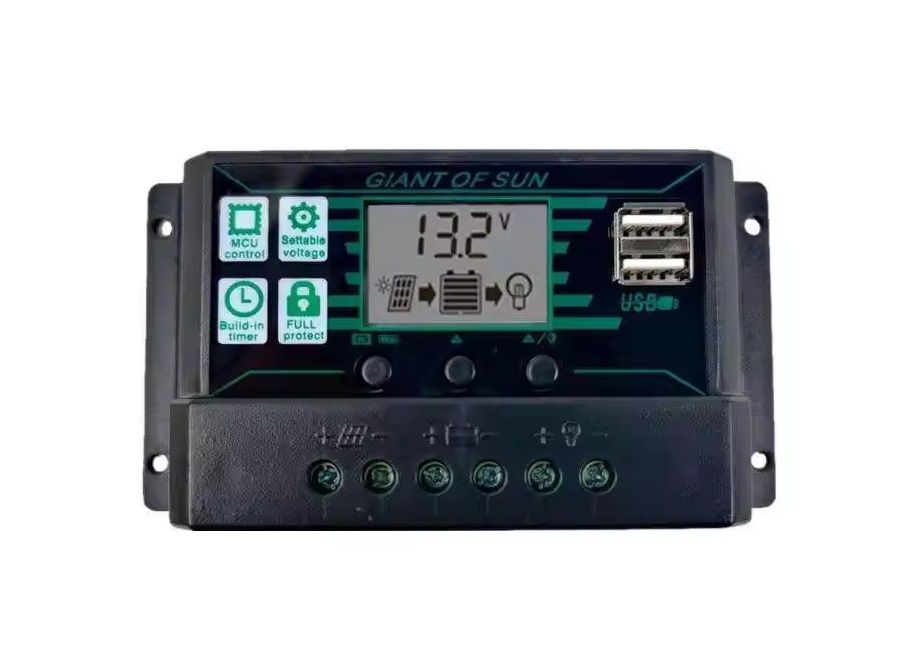
The increasing reliance on solar energy has brought a myriad of choices for energy enthusiasts, especially when it comes to solar charger controllers. Among these options, the 30A and 50A solar charger controllers often stand out due to their capacity and performance specifications. Understanding the differences between them can illuminate your solar setup decisions and enhance your solar charge management experience. This article will delve into the distinctive features, advantages, and considerations for both 30A and 50A solar charger controllers.
1. Understanding Solar Charge Controllers
Solar charge controllers serve as the intelligence of a solar power system. They regulate the voltage and current coming from the solar array to the battery bank, ensuring safe charging while protecting the batteries from overcharging or excessive discharging. A critical choice at the outset is determining the appropriate amperage capacity necessary for the system, which leads us to the juxtaposition of 30A and 50A controllers.
2. Current Rating Explained
The primary numerical designation of a solar charger controller refers to its current handling capacity. A 30A controller can manage up to 30 amps of current, while a 50A controller is capable of handling a maximum of 50 amps. This difference is pivotal because it directly influences how many solar panels you can connect, and how quickly your batteries can be charged.
3. System Size Considerations
The choice between a 30A and 50A controller fundamentally hinges on the scale of your solar power system. A smaller setup, equipped with fewer solar panels, is often adequately serviced by a 30A controller. In contrast, larger systems comprising multiple panels with increased output warrant the robustness of a 50A controller. This choice is essential for optimizing performance and ensuring that your system is not overburdened.
4. Charging Speed
A crucial factor to consider is the speed at which batteries are charged. A 50A controller can facilitate quicker charging, which is especially advantageous for larger battery banks requiring substantial current influx. Faster recharging can be critical in situations where uptime is essential, such as during extended outdoor ventures or emergency scenarios where solar energy might be your sole power source.
5. Efficiency and Power Loss
Efficiency is always a concern in energy systems. A higher amperage controller might impact overall efficiency due to minimal energy loss, particularly under heavy loads. However, the difference in efficiency between 30A and 50A controllers may not be substantial enough to sway the average consumer without specific requirements. Understanding your load capacity will mitigate unnecessary losses and contribute to a pragmatic choice.
6. Cost Implications
Price is often a decisive factor in equipment selection. Generally, 50A controllers possess a higher initial cost compared to their 30A counterparts. Budget constraints can dictate your choice; thus, evaluating the trade-off between price, performance, and future expansion should be meticulously considered. Investing in a more extensive system may save money long-term while ensuring optimal functionality.
7. Compatibility with Solar Panels
Different solar panels output varying levels of amperage, which should be factored into your decision-making process. For instance, if you anticipate upgrading your solar panels or expanding your system in the future, a 50A controller might be a wise forethought. In contrast, a 30A controller may stifle scalability if you plan to add more panels down the line.
8. Battery Types
Different battery technologies have varied charging requirements. Flooded lead-acid, lithium-ion, and gel batteries each possess unique characteristics that may influence the choice of controller. For instance, lithium batteries, which can endure faster charging, may pair well with a 50A controller, allowing for enhanced charging efficiency. Conversely, traditional flooded batteries might not necessitate such high current capabilities.
9. Installation and Maintenance
The installation process may differ marginally between controllers. While both controllers would generally require similar wiring and general electrical knowledge, understanding the specific configurations suited to each model can ease installation tensions. Maintenance can also vary slightly, with the 50A controller potentially incorporating additional monitoring features that may require periodic attention.
10. Application Scenarios
Application scenarios also influence which controller is more suitable. For example, recreational vehicles (RVs) or off-grid cabins may benefit from a 30A setup, whereas larger homes or commercial installations usually prefer the robustness of a 50A system. Assessing your intended usage alongside the anticipated energy demands will guide your selection process effectively.
11. Future-proofing Your Investment
As solar technology continues to evolve, future-proofing your solar system with the appropriate controller is paramount. Choosing a 50A controller may afford greater flexibility as energy demands shift and solar innovations emerge. It can be wise to invest a bit more upfront to alleviate potential compatibility issues later on.
Conclusion
When comparing 30A and 50A solar charger controllers, the distinction lies in current handling capabilities, system size, charging speed, and various other nuances that come into play. By assessing your requirements, understanding your future ambitions, and evaluating your budget, you can make an informed decision that will not only cater to your immediate needs but also future-proof your solar power system. Regardless of the choice you make, embracing solar technology empowers you with clean, renewable energy that contributes positively to the environment.






Leave a Comment