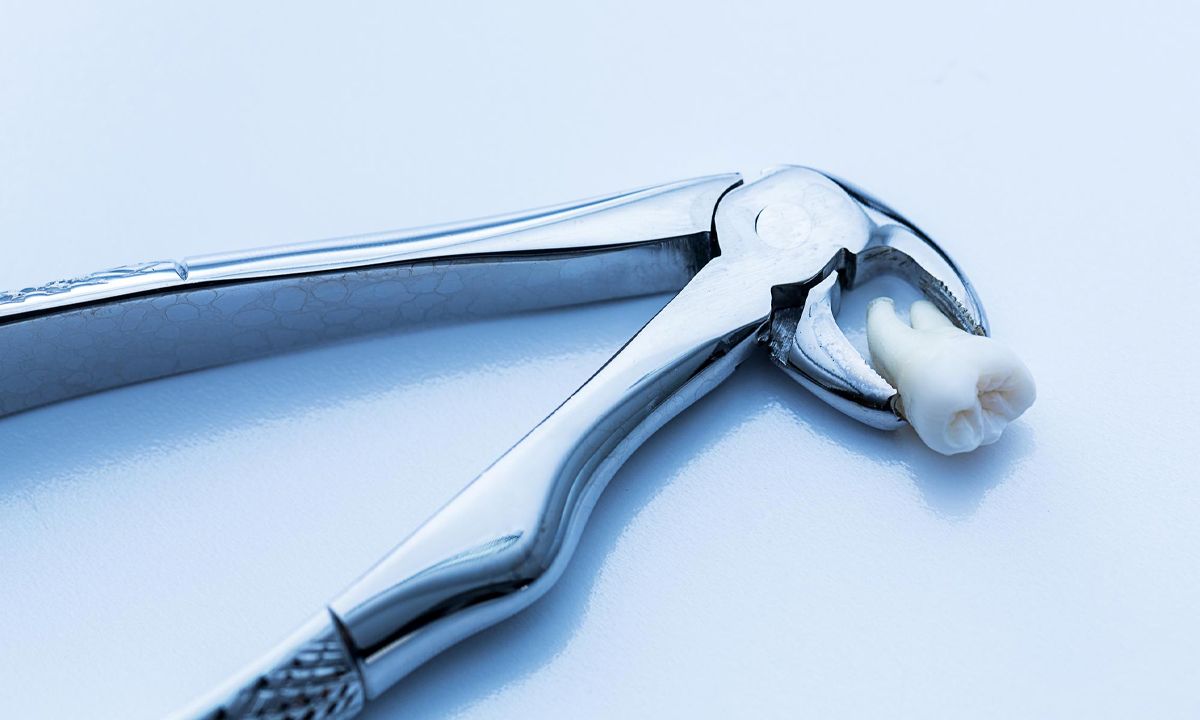
In a world rife with medical uncertainties, the emergency room (ER) stands as a bastion of urgent care, ready to tackle an array of health crises. Yet, amidst the plethora of conditions treated, one question frequently arises: “Will an ER remove a tooth?” This inquiry unveils a labyrinth of considerations, intertwining the realms of dental emergencies, systemic health implications, and the available medical resources. As we delve into this intricate topic, prepare to have your assumptions challenged and your understanding broadened.
Understanding Dental Emergencies
First and foremost, it’s essential to recognize what constitutes a dental emergency. A dental emergency is not merely an inconvenience; it often involves significant pain, swelling, or trauma that necessitates immediate attention. Conditions such as severe dental abscesses, uncontrollable bleeding, dislodged teeth, or fractures warrant prompt intervention. The ER is designed to respond to such urgent health crises, ensuring that patients receive the necessary care without delay.
The ER’s Role in Tooth-related Issues
While the primary focus of the emergency room is to address life-threatening conditions, it is also equipped to manage a variety of non-life-threatening emergencies, including those pertaining to dental health. If a patient presents with acute tooth pain, the ER staff will first conduct a thorough evaluation, which may include medical history assessments and diagnostic imaging. This initial appraisal aids in distinguishing between dental and non-dental causes of the symptoms.
Although many assume that ER personnel can handle all dental issues, the reality is more nuanced. Emergency doctors are not specialized in dentistry but rather in mitigating immediate health threats. They may provide temporary relief or stabilization, but definitive dental work will typically need to be handled by a dentist.
Scenarios that Might Lead to Tooth Extraction in the ER
Several specific scenarios may prompt an ER to consider tooth extraction as a viable solution:
- Severe Dental Abscess: When an infection surrounding a tooth becomes severe, leading to significant swelling and pain, an emergency room visit is warranted. The medical team may need to drain the abscess and, in some cases, extract the offending tooth to prevent further complications.
- Fractured Teeth: A traumatic injury that fractures a tooth severely may require removal, particularly if the fracture has caused extensive damage to the tooth’s structure and surrounding tissue.
- Gum Disease Complications: Advanced periodontal disease can lead to loose teeth. If a tooth poses a risk of systemic infection, extraction may be necessary to safeguard the patient’s overall health.
In these instances, the ER can act as a critical bridge, alleviating immediate suffering and setting the stage for comprehensive follow-up care.
The Limits of Emergency Dental Care
While emergency rooms can address acute dental crises, it is vital to acknowledge their limitations. Most ERs lack the ability to perform routine dental procedures such as extractions under general anesthesia or provide ongoing dental care. The goal is to stabilize the situation, not to replace the specialized care that dentists offer. Following any necessary interventions, patients are typically referred to an oral surgeon or dentist for follow-up treatment.
How to Choose the Right Course of Action
Understanding when to seek emergency care can drastically affect outcomes. If you experience a sudden dental crisis, ask yourself the following questions:
- Am I experiencing uncontrollable pain that disrupts my daily activities?
- Is there noticeable swelling, especially in conjunction with a fever or other systemic symptoms?
- Have I suffered trauma to my mouth or jaw?
- Is there visible bleeding that won’t stop?
If you answer ‘yes’ to any of these questions, seeking care at an emergency room can be prudent. However, less severe dental issues, such as a cavity or routine discomfort, are generally best handled by a primary dental care provider.
The Path Forward: Collaboration Between ERs and Dentists
The intersection of emergency medical care and dental health is a burgeoning field of awareness. As emergency medicine continues to evolve, there’s a growing recognition of the need for collaborative approaches to patient care. Many ERs are beginning to integrate dental professionals into their teams or establish partnerships with local dental clinics to ensure that patients receive the most appropriate care swiftly and effectively.
Conclusion: A Holistic View of Dental Emergencies
In conclusion, the question “Will an ER remove a tooth?” prompts us to consider the broader complexities of urgent dental care within the emergency medical framework. While the ER is a critical lifeline for those grappling with severe dental emergencies, it operates within specific limits that necessitate follow-up care from qualified dental professionals. Understanding this relationship not only demystifies the role of emergency services but also emphasizes the importance of proactive dental health maintenance. At the crossroad of medicine and dentistry, the ultimate goal remains clear: to safeguard the well-being of patients and pave the way toward holistic health outcomes.











Leave a Comment