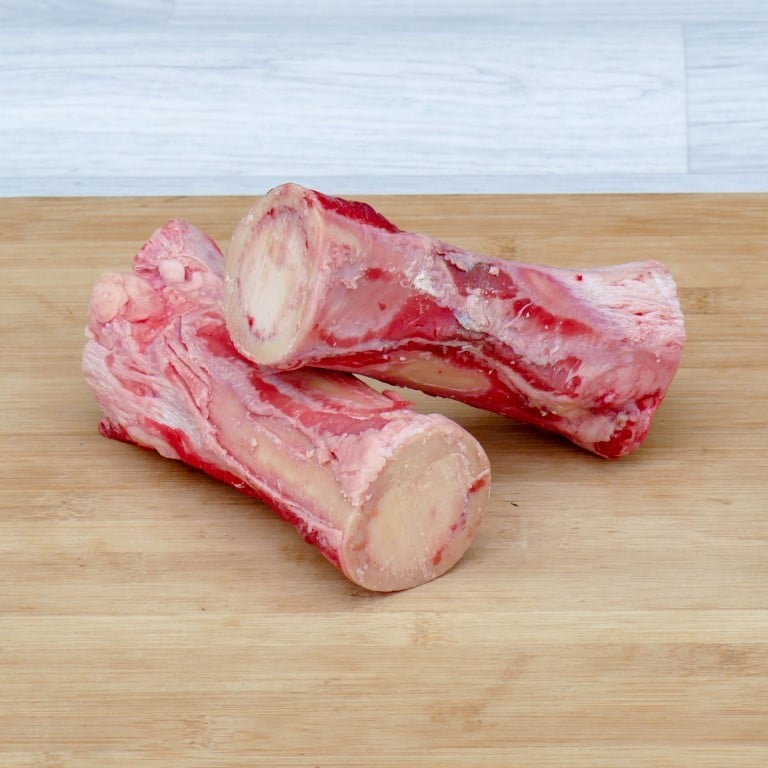
When it comes to nourishing our furry companions, the conversation often revolves around the type of food, treats, and supplements we provide. One enticing option that frequently emerges is beef bones. These hearty remnants of a glorious feast offer not just a satisfying chew, but an array of benefits that can enhance your dog’s well-being. However, the world of beef bones is nuanced and multi-faceted, encouraging pet owners to delve deeper beyond the surface. This exploration promises to shift your perspective on beef bones for dogs, uncovering the facts, benefits, and considerations that come with this age-old canine indulgence.
Understanding Beef Bones
Beef bones come in various kinds and types, each serving distinct purposes and offering unique advantages. For clarity, we can categorize them into two main types: raw bones and cooked bones. Raw bones, especially those that are unprocessed, are typically recommended for their natural nutritional properties, while cooked bones—often found embedded in leftover meals—carry particular risks which will be outlined later.
The Nutritional Apex
Beef bones are a veritable treasure trove brimming with nutrients. One of the primary attractions of offering bones to dogs is their high content of collagen and gelatin, essential for maintaining the structural integrity of joints and tissues. As dogs gnaw on these robust bones, they inadvertently extract marrow and connective tissue, which are abundant in vitamins and minerals needed for optimal health.
Beyond collagen, bones are a source of calcium and phosphorus, minerals essential for maintaining strong bones and teeth. Regular consumption of these nutrients can aid in preventing costly vet visits related to bone-related issues, providing a cost-effective solution to hip dysplasia and degenerative joint disease.
A Natural Dental Delight
Another compelling reason to incorporate beef bones into your dog’s routine is their role in dental hygiene. The very act of chewing on bones can assist in mechanically removing plaque and tartar buildup from their teeth. This natural abrasive action can lead to fresher breath, healthier gums, and decreased likelihood of periodontal disease. Moreover, as dogs gnash and chew, they experience mental stimulation, which is essential for maintaining emotional balance and staving off boredom-related mischief.
The Great Debate: Raw vs. Cooked
As you embark on the journey of incorporating beef bones into your dog’s diet, a critical decision awaits: should you choose raw or cooked bones? The consensus among veterinarians and canine nutritionists leans heavily towards raw bones. Cooked bones pose a significant risk of splintering, leading to potentially fatal complications such as choking or lacerations in the digestive tract. Raw bones, on the other hand, retain their structure and can be an enjoyable, safe option for many dogs.
On the flip side, certain dogs with health issues, such as pancreatitis or dental problems, may require careful consideration or an outright avoidance of bones altogether. Consultation with a veterinarian is pivotal in making this determination, ensuring that you tailor your approach to meet your dog’s unique health profile.
The Selection Process: Choosing the Right Bone
Selecting the right beef bone requires some thoughtfulness. Generally, larger bones, such as femurs or knuckles, are optimal, as they tend to withstand enthusiastic chewing. Additionally, avoid overly small bones that could pose choking hazards, or marrow bones that are excessively fatty and could upset your dog’s digestive balance.
It’s advantageous to look for bones that are sourced from grass-fed cattle, which is thought to result in higher quality, nutrient-dense options. Alternatively, consider sourcing bones from a reputable butcher who can guide you through the best choices suited to your dog’s lifestyle and size.
Adding Beef Bones to Your Dog’s Diet
Incorporating beef bones into your dog’s diet can be a joyful experience for both of you. Begin by offering bones as an occasional treat rather than a staple in their diet. Observing your pet’s reaction can yield insights into their preferences and any potential gastrointestinal repercussions. Always supervise them during their chewing escapades to preclude possible mishaps.
If your dog exhibits a voracious appetite for chewing, consider designating specific days as “bone days,” allowing for a special time to bond through play and enjoyment. This creates anticipation and can transform the mundane routine into something exciting, enriching the human-animal bond.
Minimizing Risks
While beef bones can offer abundant benefits, it’s crucial to remain vigilant against potential hazards. Always inspect bones for sharp edges or splinters, especially after wear begins. Dispose of any fragments or pieces that appear compromised. Additionally, keep a close eye on your dog’s chewing behavior and be wary of excessive chewing, which could lead to dental fractures or jaw issues.
Culminating Thoughts
Beef bones for dogs, when chosen and handled properly, become a holistic approach to both enjoyment and health. They provide not just physical nourishment but also stimulate mental engagement and a satisfying chewing outlet. Embracing this traditional practice might shift your approach to canine dietary enrichment, emphasizing quality over quantity. Armed with this knowledge, you are now better equipped to make informed choices, allowing your beloved pet to thrive while savoring one of life’s simple pleasures.










Leave a Comment