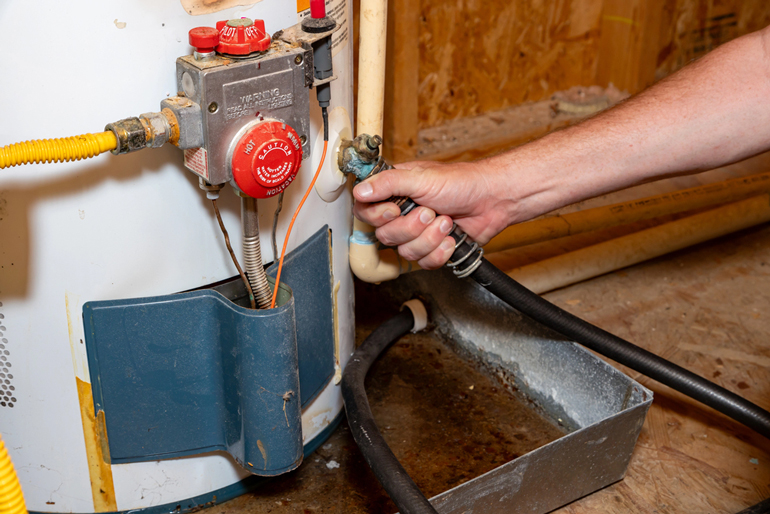
Water heaters are often an overlooked household necessity, integral to our comfort yet rarely given a second thought—until they begin to malfunction. One of the more alarming issues that can arise is a leaking water heater. This seemingly innocuous problem can escalate into dangerous situations if not addressed promptly. It’s crucial to understand the implications of a leak, not just for your home, but also for your safety. This comprehensive guide seeks to illuminate the potential hazards associated with a leaking water heater, the various types of leaks, and the importance of timely intervention.
Understanding the Risks of a Leaking Water Heater
A leaking water heater can lead to a plethora of problems. At its core, water is a destructive force. Unchecked leaks can cause extensive water damage, compromising the structural integrity of your home. More than just damage to floors and walls, prolonged exposure to water can lead to mold growth, which poses significant health risks. Mold spores can exacerbate respiratory issues and trigger allergies, making your home a breeding ground for illness.
Moreover, water heaters operate under high pressure, and leaks can create conditions conducive to catastrophic failure. If a leak allows water to escape from a hot water heater, it can lead to an accumulation of water in areas not designed to handle such volumes, potentially resulting in electrical hazards or fire. Appliances or outlets submerged in water can short out, creating a risk of electrocution.
Types of Leaks and Their Implications
Leaks can arise from various components of a water heater. Understanding these can aid in rapid diagnosis and remediation. Here are several common leak types:
- Drain Valve Leaks: Often located at the bottom of the tank, a faulty drain valve may dribble water. This trivial-seeming leak can often be fixed easily by tightening the valve but could signal larger issues if not addressed.
- Temperature and Pressure Relief Valve (TPR Valve) Issues: This safety feature releases excess steam and pressure in the tank. If the TPR valve is faulty, it can produce a persistent leak, indicating that the water heater is under excessive pressure, which could lead to a dangerous explosion if not mitigated promptly.
- Corrosion and Rusting: Over time, the metal components of a water heater can corrode, leading to pinhole leaks. This is particularly common in older models. Corrosion threatens the structure of the water heater, and continuous leaks can cause significant damage.
- Tank Cracks: Severe leaks often stem from cracks in the tank, which can occur due to age, physical impacts, or manufacturing defects. Such leaks often require the replacement of the entire unit, as patching can be ineffective.
- Piping Issues: Leaks can also originate from plumbing connected to the heater. Loose connections or damaged pipes may not only flood your space but can also complicate repairs if the underlying problem is not identified.
How to Diagnose a Leak
Detecting a leak early can mitigate damage and prevent environmental hazards. Start by observing the surrounding area for signs of moisture, pooling water, or rust stains, especially beneath the unit. If you hear hissing or see steam, it could signal that the pressure relief valve is malfunctioning. Always check the valves and all accessible connections for signs of water dripping or pooling.
Additionally, performing regular maintenance can preemptively identify leaks. Annual inspections can highlight early signs of corrosion or wear and tear and allow you to address them before they manifest into critical problems. If you’re uncertain, consulting with a licensed professional can provide peace of mind.
Steps to Take if You Discover a Leak
If you discover a leak, it’s essential to act quickly to avoid further peril:
- Turn Off the Power and Water Supply: For electric water heaters, immediately cut off power at the circuit breaker. For gas units, turn the gas off as well. Additionally, locate and turn off the water supply to the heater to prevent further flooding.
- Assess the Situation: Determine the severity of the leak. If it appears minor, secure the area and monitor the leak for changes. For significant leaks, minimize the risk of damage to your property by moving furniture and covering valuables.
- Call in a Professional: Whether the leak is minor or substantial, it’s prudent to consult a licensed plumber. They can diagnose the issue accurately and recommend whether repairs or a replacement unit are necessary.
Prevention Strategies
The best method to combat the dangers of leaking water heaters is to prevent leaks from developing in the first place. Regular inspections, flushing the tank to remove sediment buildup, and replacing aging units can be effective strategies. Additionally, consider installing a water alarm that alerts you to leaks at the earliest possible moment.
Conclusion
In summation, a leaking water heater should not be dismissed as a minor inconvenience. The potential for extensive property damage, health risks from mold growth, and safety hazards cannot be understated. Understanding the types of leaks, remaining vigilant, and taking immediate action when a leak is detected can safeguard both your home and your well-being. Through proactive maintenance and timely intervention, you can ensure that your water heater remains a functional and secure aspect of your home.










Leave a Comment