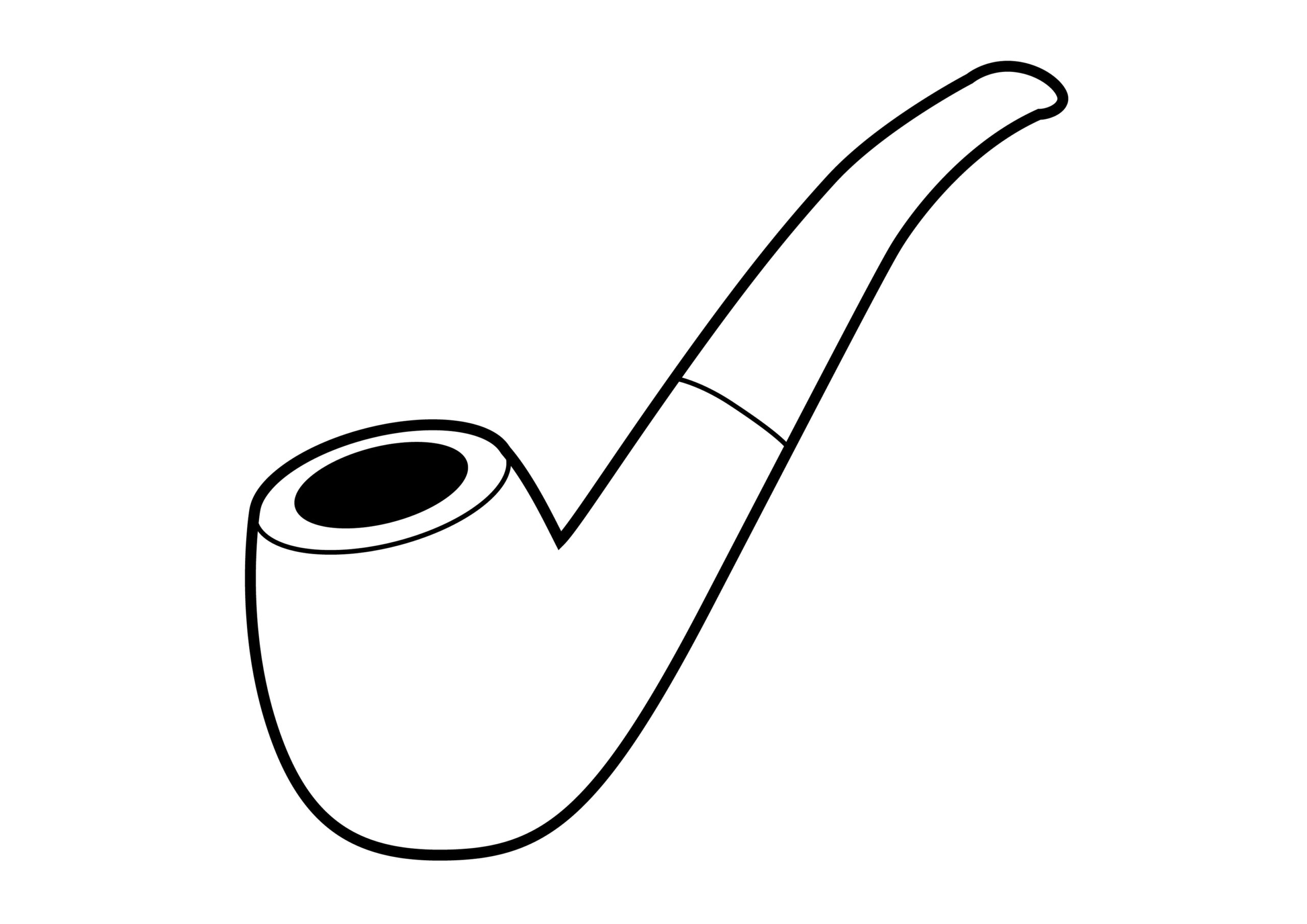
Smoking pipes have a long and storied history, serving as vessels of relaxation and contemplation for connoisseurs across cultures. Yet, as any avid pipe smoker knows, the ritual does not end when the last embers flicker out. The process of emptying a smoking pipe, while seemingly mundane, carries its own distinct importance—signifying the conclusion of a smoking session and preparing the pipe for its next use. This guide provides an in-depth exploration of the nuances involved in properly emptying a smoking pipe, ensuring not only that your smoking experience remains pleasurable but that your cherished pipe maintains its integrity over time.
Understanding the Importance of Proper Emptying
Before diving into the practicalities, it’s vital to grasp why emptying your smoking pipe correctly is essential. Residual ash and unburned tobacco can accumulate and moisten your next tobacco blend, leading to a bitter taste. Beyond taste, improper maintenance can lead to clogging, negatively impacting airflow—which is crucial for an enjoyable smoking session. Each step in the emptying process can significantly impact the longevity and performance of your pipe.
Tools of the Trade
To embark on this task, gather a few key tools. Understanding what you need eases the process. Your essentials will typically include:
- Pipe Tool: This multi-functional device often includes a poker, tamper, and scraper, making it invaluable for maintaining your pipe.
- Soft Cloth or Pipe Cleaner: Utilize a clean, lint-free cloth to remove ash or particulates. Pipe cleaners assist in clearing out any lingering moisture or residue.
- Small Brush: A fine brush can dislodge stubborn debris from the pipe bowl and shank.
Step-by-Step Guide to Emptying Your Smoking Pipe
Having gathered your tools, let’s delve into the meticulous art of emptying your smoking pipe.
1. Let It Cool
Immediately following your smoke, resist the temptation to empty it while it is still warm. Allow the pipe to cool down completely. This crucial step helps protect the material from thermal shock and excessive wear. A wooden pipe, for example, is sensitive to rapid temperature changes that can cause cracks or warping.
2. Prepare the Workspace
Select a clean surface free from clutter. This will help you manage debris more easily. Consider placing an ashtray or a small container nearby to catch the contents of your pipe as you work.
3. Dislodge Loose Ash
Using the shovel end of your pipe tool, gently tap the side of the bowl to dislodge loose ash and remnants. It’s essential to apply just enough pressure to remove the ash without damaging the interior of the bowl. This will help keep things tidy as you proceed.
4. Employ the Poker
Next, use the poker end of the pipe tool to gently scrape the sides of the bowl. This method not only helps remove old tobacco bits but also clears up clogged spots, ensuring good airflow. Be careful; aggressive scraping can damage the integrity of the bowl.
5. Emptying the Bowl
Hold the pipe over your ashtray or container and give it a gentle flick or tap to dislodge the remaining ash. Loosening it with your fingers may help if some stubborn remnants cling to the sides. At this stage, make sure to avoid excessive force to prevent chips or cracks in the bowl.
6. Cleaning the Shank
With the bowl emptied, attention must turn to the shank. Utilize a pipe cleaner to glide through the shank, soaking up any moisture and residues left behind. Swabbing the shank not only aids in maintaining airflow but also fosters a richer flavor in future smoking sessions.
7. Wipe Down the Outside
Finally, take a moment to wipe down the outside of the pipe with a soft cloth. This small task removes any nicotine residue or smudges, preserving the beauty of your pipe. A little care here maintains both aesthetics and functionality, enhancing your smoking experience.
8. Reassess Your Inventory
After emptying, take a moment to inspect your remaining tobacco. Now is the ideal time to consider your next smoke: is it a time to experiment with new blends, or return to a beloved favorite? This reflective pause in your ritual encourages a deeper appreciation for the art of smoking.
Outro: The Continual Journey of Enjoyment
Enhancing the experience of using a smoking pipe requires more than just selecting the right tobacco; it involves a respectful and reflective relationship with your pipe itself. By understanding and implementing a thoughtful emptying process, you voice gratitude for the craftsmanship of your pipe and the pleasures it brings. The simple act of emptying, often overlooked, transforms into a contemplative ritual—allowing each session to leave an indelible mark on your collection of experiences. As you draw an evening’s smoke to a close and prepare for the next, remember that every flick of ash signifies both an ending and a beginning—a continuous journey of enjoyment.






Leave a Comment