In the realm of dentistry, innovations frequently emerge, sparking curiosity and inspiring transformative practices. Ozone treatment for teeth is one such advancement, capturing the imagination of both dental professionals and patients alike. As we delve into this topic, we will uncover what ozone therapy entails, the scientific underpinnings that lend it credibility, the procedures involved, and the myriad benefits it offers. Ultimately, this exploration invites you to reassess traditional dental paradigms, contemplating a fresh narrative on oral health.
Understanding Ozone Therapy
At its core, ozone therapy involves the application of ozone gas (O₃) to address various dental issues. This triatomic molecule, composed of three oxygen atoms, possesses powerful antimicrobial properties. Historically, ozone has been utilized in medical treatments, particularly in the areas of wound healing and infection control. Its foray into dentistry heralds a novel approach to combating decay and promoting oral wellness.
The principle behind ozone therapy rests upon its ability to eliminate bacteria and pathogens responsible for dental caries, or cavities. When introduced to the oral environment, ozone interacts with microbial cell membranes, inducing oxidative stress that leads to cellular destruction. This biocidal action is not only effective but also minimizes the risk of further complications often associated with traditional treatments.
Procedure Overview
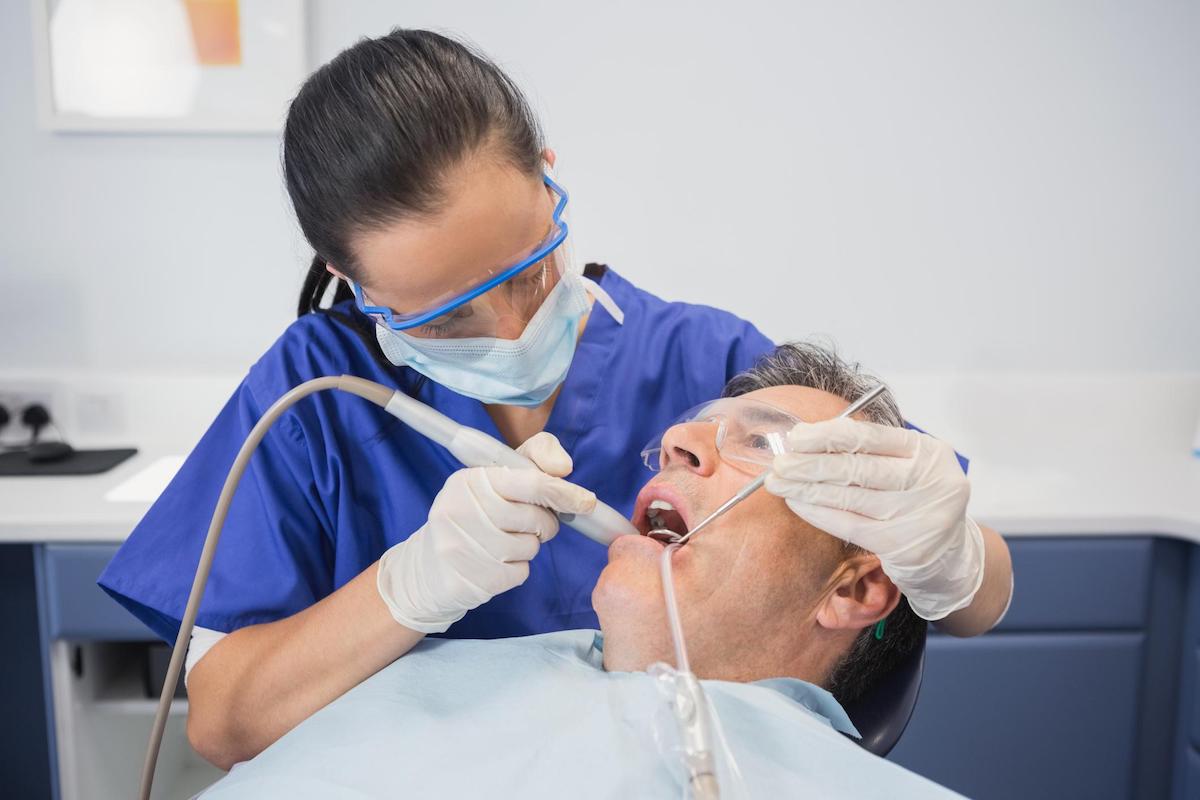
Engaging in ozone treatment for teeth typically unfolds in a series of precise steps designed to ensure patient comfort and efficacy. Initially, a dental professional evaluates the patient’s oral health, identifying problem areas that may benefit from ozone therapy. This thorough assessment usually includes visual examinations, radiographs, and discussions about the patient’s medical history.
Subsequently, the tooth or teeth in question undergo a cleaning process to remove plaque and debris. This foundational step is crucial, as it preps the surface for optimal ozone application. The ozone gas can be delivered in several forms: as ozonated water, via a direct ozone gas application, or through the use of ozone-generating devices that create ozone from ambient air. Each method carries its own advantages, tailored to the specific condition being treated.
Once the ozone is applied, it works quickly, often in a matter of minutes, to eradicate harmful microorganisms. In certain cases, patients may experience a pleasant smell or a slight tingling sensation during this stage, indicating the treatment’s active engagement with the bacterial agents. After the therapy is complete, a protective layer or sealant might be applied to further shield the treated area and support the tooth’s structural integrity.
The Benefits of Ozone Treatment
The promises of ozone treatment extend well beyond mere cavity prevention. For starters, one of the most compelling advantages lies in its non-invasive nature. Unlike traditional dental procedures that often require drilling and anesthesia, ozone therapy typically eliminates the need for such interventions, reducing anxiety levels and promoting a more comfortable experience for patients.
Moreover, ozone therapy serves as a preventive measure. By inhibiting bacterial growth and promoting remineralization of the enamel, ozone can reverse early-stage decay—a remarkable feat that many patients may find astonishing. Furthermore, this treatment holds the potential to dramatically reduce the proliferation of harmful bacteria in the oral cavity, thus contributing to overall better systemic health.
Another noteworthy benefit pertains to the reduced reliance on antibiotics. In an age where antibiotic stewardship is paramount, ozone therapy may help mitigate the necessity for antibiotic prescriptions, addressing infections whilst reducing the risk of bacterial resistance. This is particularly pertinent given the alarming rise of antibiotic-resistant strains that pose severe public health challenges.
Safety and Considerations
It is also essential to understand that ozone therapy may not be suitable for all dental issues. Advanced decay requiring restorative procedures, like crowns or fillings, may still necessitate conventional interventions. As such, ozone therapy should be viewed as an adjunct to, rather than a replacement for, conventional dental treatments.
The Future of Ozone Treatment in Dentistry
Conclusion
Ozone treatment for teeth invites a refreshing contemplation of dental health. By marrying scientific understanding with progressive practice, this therapy opens a gateway to improved oral care while shifting the paradigm around conventional treatments. With its ability to combat decay, bolster preventive measures, and reduce invasive procedures, ozone therapy not only provides tangible benefits but also inspires a shift in perspective toward holistic dental wellness. As curiosity deepens and research flourishes, the journey through dental innovation continues, promising a brighter, healthier future for oral care.









Leave a Comment