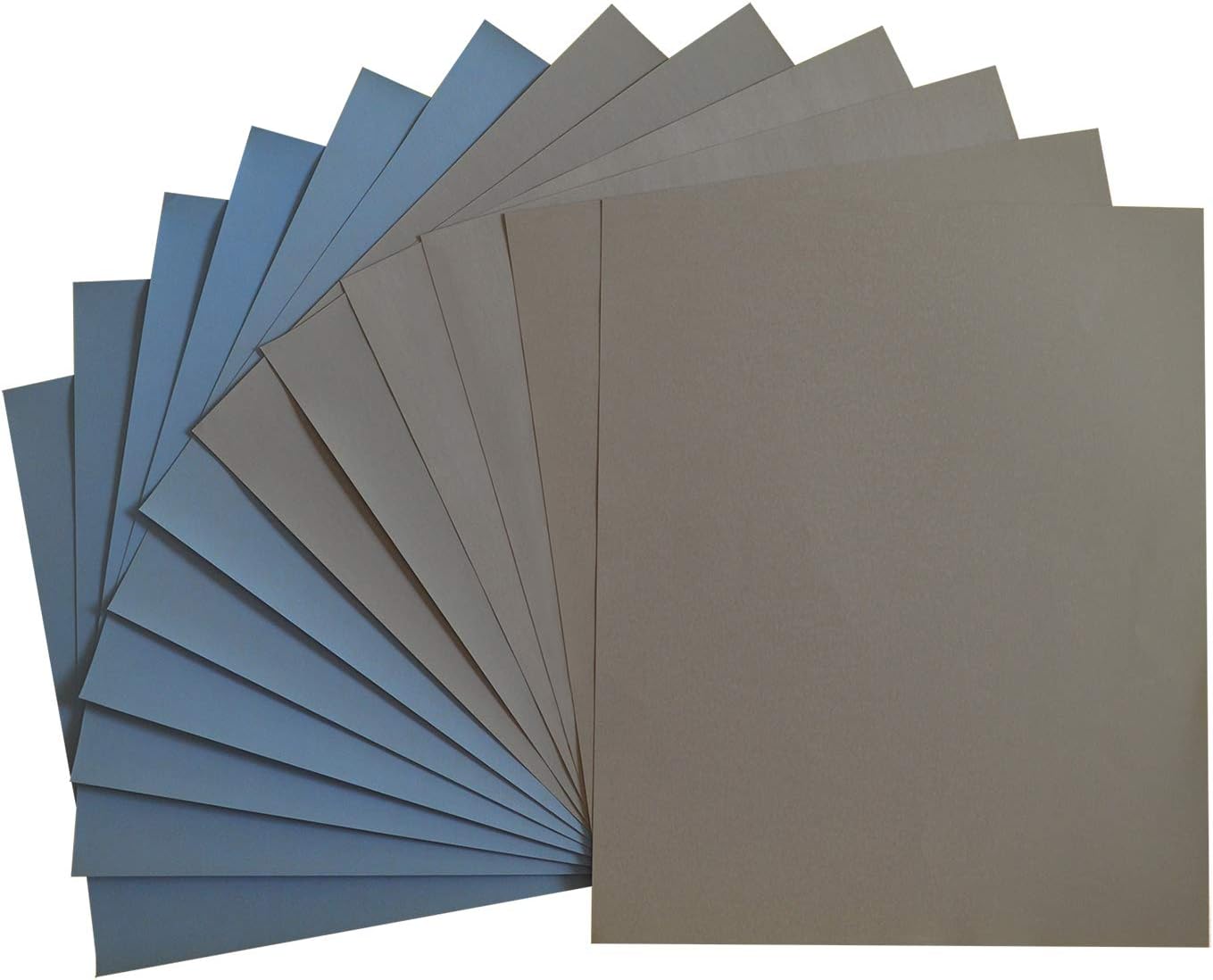
When you think of sandpaper, glass might not be the first material that springs to mind. However, this humble tool has the potential to revolutionize your glassworking projects, from creating a flawless finish on a sunny windowpane to crafting a unique piece of art. Your perspective on sandpaper is about to shift as we delve into the intriguing world of smoothing glass. This comprehensive guide is designed to pique your curiosity, explaining how to effectively use sandpaper on glass and explore its various applications.
Understanding Sandpaper Grit
Before embarking on any glass smoothing project, it’s crucial to understand sandpaper grit. Grit refers to the size of abrasive particles on the sandpaper surface. The lower the grit number, the coarser the paper; conversely, a higher grit number signifies a finer texture. For glass, fine grit sandpaper—typically between 120 and 400 grit—will deliver the smooth finish that enhances transparency and shine.
Types of Sandpaper Suitable for Glass
While traditional sandpaper can be effective, it is important to consider specialized types designed for glass. These variations often feature materials such as silicon carbide or aluminum oxide, which provide superior abrasion without damaging the surface. Wet/dry sandpaper is particularly advantageous, as it allows for use with water, reducing dust and heat build-up, and ensuring a smoother finish. Understanding your options here is essential for achieving the desired results.
Preparation: Setting Up Your Workspace
Creating an optimal workspace is the first step in any glass smoothing venture. Select a stable surface free from debris, ensuring that any potential contaminants won’t mar your glass piece. A well-lit area is essential, enabling you to closely monitor your progress. Equip yourself with a few essential tools: the appropriate grit sandpaper, water (if using wet/dry paper), a spray bottle, a flat surface for sanding, and protective eyewear to safeguard against glass shards. Preparation is the bedrock of success!
Technique: The Art of Sanding Glass
With materials and workspace set, let’s delve into the technique of sanding glass. Firstly, if you are working with a larger piece, consider starting with a coarser grit, such as 120, to remove any prominent imperfections. After that initial pass, transition to finer grits progressively—from 220 to 400—focusing on creating an impeccably smooth surface.
If you opt for wet sanding, using a spray bottle to mist the glass will both lubricate the surface and reduce dust. This technique not only safeguards against overheating but also minimizes scratching. Remember to work in circular motions, applying even pressure to prevent uneven surfaces.
It is important to clean the glass frequently during this process. Wipe away any residue with a soft cloth to evaluate your progress. This step allows you to gauge the smoothness effectively and adjust your technique as needed. The beauty of sandpaper lies not only in its efficacy but in the visible transformation it creates.
Applications of Smoothing Glass
The applications for sandpaper in smoothing glass are diverse. Whether you’re a hobbyist aiming to create bespoke glass art or a professional seeking to perfect your craft, understanding these applications can be pivotal.
1. Glass Tiles: Smoothing edges for tiling applications ensures safety and aesthetic appeal. A finely sanded edge not only improves the overall look but also eliminates sharp edges that could pose hazards.
2. Windowpanes: When refurbishing old windows, sandpaper can be used to remove paint or imperfections, revitalizing the glass for a clearer view.
3. Glass Sculptures: Artists often turn to sandpaper to refine their creations, achieving contours and finishes that draw the eye.
4. Craft Projects: Whether creating mosaics or intimate glass jewelry, achieving a smooth surface is paramount for both comfort and visual appeal.
Common Mistakes to Avoid
Another frequent pitfall is neglecting to transition between grits gradually. Skipping from a coarse to a fine grit without intermediate steps can yield a subpar finish. Remember: each stage serves a purpose in the journey toward perfection.
Final Thoughts
Smoothing glass with sandpaper transcends the realm of mere functionality; it is a meticulous craft that encourages an appreciation for detail and precision. Armed with the right knowledge and tools, you can transform dull panels into glistening masterpieces, enhancing the clarity and attractiveness of every project. Embrace your newfound perspective on sandpaper, and let your creativity know no bounds. As you embark on your glass-smoothing journey, remember that the satisfaction of achieving perfection is just a few strokes away!








Leave a Comment