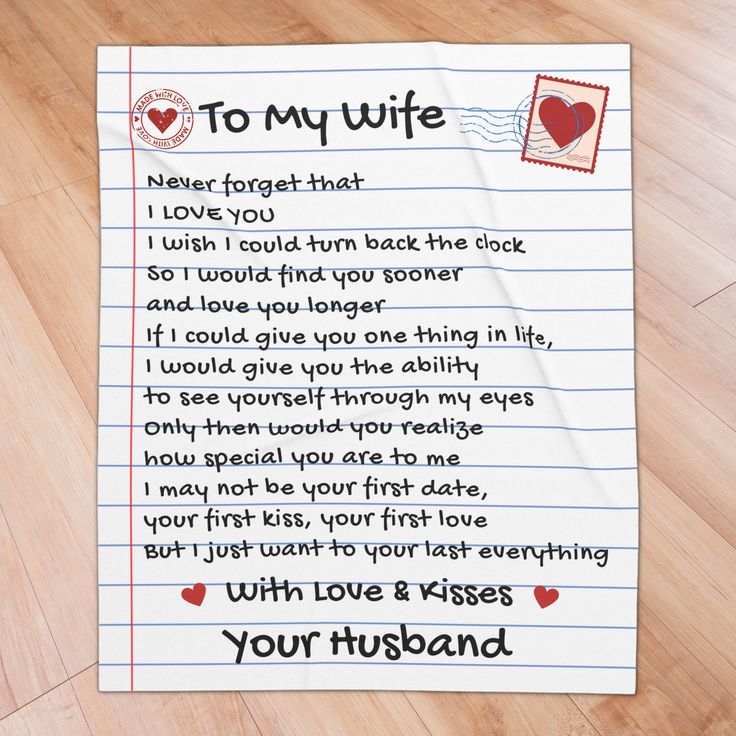
As the sands of time drift through our lives, they bring with them a myriad of transformations, particularly for women. One such transformation is menopause, a natural biological change that often warrants discussion, especially within the intimate confines of marriage. Writing a letter to your husband about menopause may seem daunting, but it can serve as a beautiful bridge for understanding, compassion, and connection. This comprehensive guide offers insights into crafting a thoughtful and heartfelt letter that opens the lines of communication with your partner during this transitional phase.
1. Begin with a Warm Salutation
Start your letter with an affectionate greeting. This sets a positive tone, reminding both you and your husband of your enduring bond. Consider something playful, like, “To my lifelong partner in all things, including this rather quirky stage of life!” This lightheartedness can ease into the more serious themes that will follow.
2. Anecdotal Introduction
Share a brief personal anecdote that encapsulates how you’ve been feeling lately. This not only personalizes your letter but also invites your husband into your experience. For instance, recount a recent day where something simple, like an unexpected emotional surge or a hot flash, caught you off guard. “Remember that time we were watching our favorite show and I suddenly turned into a human furnace? Well, welcome to the world of menopause!” This tactic introduces a playful question: Could you have guessed how much fun this would be?
3. Explain the Changes
Delve into the biological and emotional changes you’re experiencing. Use clear yet evocative language to elucidate what menopause entails—fluctuating hormones, night sweats, mood swings, and the like. “Every morning feels like I’m emerging from a fog, and my emotions seem to dance to a tune that is ever so unpredictable.” This honest portrayal of the upheaval can help your husband understand what you’re going through, transforming abstract concepts into intimate realities.
4. Address the Emotional Landscape
Menopause isn’t solely a physical journey; it’s an emotional odyssey. Acknowledge this aspect by discussing your moods and feelings, being candid about any irritability or sadness you might feel. “I sometimes find myself teetering on the edge of sentimentality, and I promise it’s not just you leaving the cap off the toothpaste!” This humorous touch not only softens the blow but emphasizes your desire for empathy and support.
5. Engage in Collaborative Problem-Solving
This pivotal section of your letter should pivot towards potential challenges that menopause introduces into your relationship. A playful question such as, “So, are you ready to navigate this rollercoaster with me, or should I start carrying a survival kit?” encourages collaboration. It signifies that while this journey may present obstacles, you wish to tackle them together, fostering a sense of teamwork.
6. Offer Reassurance
Amidst the discussions of change, it’s vital to reassure your husband of your affection and commitment. Invoke reminders of your partnership through various life phases. “I look back at all we’ve conquered together: the highs, the lows, and everything in between. This too shall pass, and I’m grateful that you’re by my side.” Such affirmations reinforce that menopause, despite its challenges, won’t erode the foundation of your love.
7. Suggest Ways to Cope Together
Propose methods for navigating menopause as a couple. Perhaps suggest fun ways to manage symptoms, from yoga classes to exploring new hobbies. “How about we try some yoga together? I could use a calming presence—and a partner in ‘Woo-Sah!’ moments.” This speaks to the potential for shared experiences, transforming what might seem like a burden into an opportunity for deeper connection.
8. Include a Call to Action
Your letter can benefit from a call to action, inviting your husband to engage in conversations about menopause more openly. “Let’s schedule a weekly ‘check-in’ where we can share how we’re feeling. Open dialogue can be our lifeline.” Engaging him in the process shows commitment to communication and partnership.
9. End on a Positive Note
Conclude your letter with an optimistic outlook. “Menopause is just one of life’s changing seasons; I’m excited (and a little terrified, admittedly) to see how our journey unfolds!” This sentiment not only brings a sense of hope but also reminds your husband that you value engaging with him in all aspects of life.
10. Sign Off with Love
Just as you began with affection, close your letter with warmth and intimacy. An ending like, “With all my love—your ever-evolving wife” encapsulates the essence of your relationship and leaves a lasting impression of togetherness. It solidifies the idea that despite the waves of change, the shore of love remains steady.
In writing this letter, you embark on a tender mission to foster understanding and intimacy between you and your husband. Menopause can feel tumultuous, but with humor, empathy, and a collaborative spirit, this chapter of life can enhance your relationship. Ultimately, remember: open, candid communication is invaluable, especially when traversing life’s pivotal transitions. Here’s to navigating menopause together, one heartfelt letter at a time!









Leave a Comment