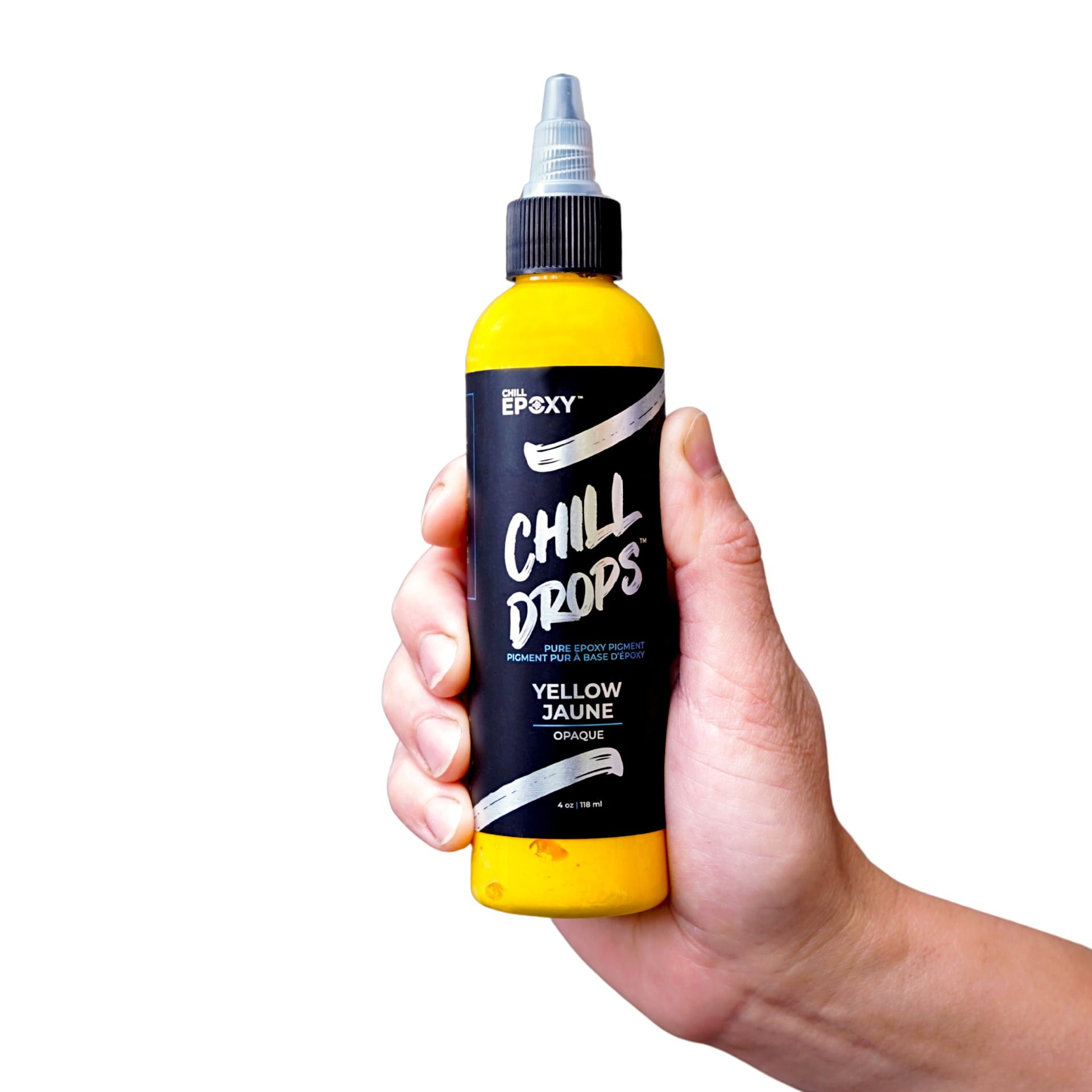
White epoxy is a popular choice for various applications, from countertops to flooring. Its pristine appearance offers a veneer of elegance and prominence that many seek for their projects. However, a common issue arises over time: the yellowing of white epoxy. This transformation can be perplexing, eliciting curiosity from homeowners and craftsmen alike. Why does this happen? What can be done? In this comprehensive exploration, we will delve into the causes, implications, and solutions surrounding the phenomenon of white epoxy turning yellow.
Understanding the Causes of Yellowing
The first step in tackling the yellowing of white epoxy is to grasp the underlying causes of this transformation. Here are the primary culprits:
1. Ultraviolet (UV) Radiation: One of the most prevalent reasons for epoxy yellowing is exposure to UV rays. While epoxy resins are initially formulated to withstand sunlight, prolonged exposure can accelerate their degradation processes. This is particularly relevant for objects placed in direct sunlight, leading to an inevitable change in color.
2. Heat Exposure: Excessive heat may also play a significant role in diminishing the clarity of white epoxy. Areas near stoves, heaters, or direct sunlight can lead to thermal degradation. As the temperature rises, the chemical makeup of the epoxy can break down, making it susceptible to discoloration.
3. Chemical Reactions: The interaction of epoxy with various chemicals can instigate yellowing. Acids and solvents, commonly found in household products, may lead to a degradation of the resin’s structure. It’s crucial to approach the maintenance of epoxy surfaces with care, as even cleaning agents can pose a risk.
4. Age-Related Deterioration: Time, by nature, contributes to wear and tear. As epoxy ages, its mechanical properties can change. Oxidative processes over time can cause the resin to become less stable, resulting in a yellowish tint.
Addressing the Implications of Yellowing
What are the implications of yellowing epoxy? The aesthetic and functional aspects can drastically alter, prompting a reevaluation of its utility in various applications.
1. Aesthetic Appeal: For many projects, the visual presentation is paramount. A yellowed layer can detract from the overall appeal, diminishing the sophisticated character that the pristine white epoxy initially offered.
2. Surface Integrity: Yellowing may signal deeper issues with the integrity of the epoxy. Depending on the extent of degradation, the strength and durability of the surface could also be compromised, leading to cracks or other structural failures.
3. Value Reduction: In contexts such as real estate, the condition of epoxy surfaces can influence valuation. Yellowed epoxy could signal neglect or disrepair, potentially detracting from property value or desirability.
Mitigating Yellowing: Strategies for Preservation
Understanding the causes allows for effective strategies to mitigate the yellowing of white epoxy. Here are actionable techniques for preservation:
1. Use of UV-Resistant Epoxy: Consider utilizing UV-resistant epoxy formulations during application. These innovative formulations contain additives designed to resist discoloration, providing a more reliable protection against sunlight exposure.
2. Strategic Placement: When installing epoxy surfaces, be mindful of their location. Placing them away from direct sunlight and heat sources will prolong their integrity. For surfaces like countertops, consider integrating overhangs or canopies that shield them from excessive UV rays.
3. Regular Maintenance and Cleaning: Employ non-abrasive, pH-neutral cleaners to maintain the glossy finish of the surface. Regular maintenance not only preserves aesthetics but also extends longevity. Avoid harsh chemicals that could catalyze unwanted reactions.
4. Coating Options: Applying a clear topcoat can act as a barrier against environmental factors. Protecting the epoxy surface with a suitable finish can help guard against oxidation and UV exposure, effectively slowing the progression of yellowing.
Restoring Yellowed Epoxy
Despite the best prevention strategies, yellowing may still occur. Fortunately, there are methods to restore the former brilliance of the epoxy:
1. Surface Polishing: Lightly sanding the surface with fine grit sandpaper may remove the discolored top layer. After sanding, a polish can help restore the sheen and clarity of the epoxy.
2. Chemical Strippers and Cleaners: There are specialized products designed for epoxy removal. Carefully follow manufacturer instructions; these may help in eliminating yellowing without damaging the underlying surface.
3. Reapplication: In extreme scenarios, it may be advisable to completely remove the existing epoxy and reapply a fresh layer. Make sure to select high-quality, UV-resistant formulations to prevent recurrence.
Conclusion
The yellowing of white epoxy can be a disheartening sight, but by understanding its causes and implications, one can take proactive measures to preserve its beauty. Armed with knowledge and effective strategies, homeowners and artisans alike can enjoy the enduring elegance of white epoxy surfaces. Taking vigilant steps to prevent yellowing not only maintains aesthetic integrity but also extends the lifespan of your projects. Embracing these insights encourages a harmonious relationship with epoxy, transforming transient worries into actionable solutions.





Leave a Comment