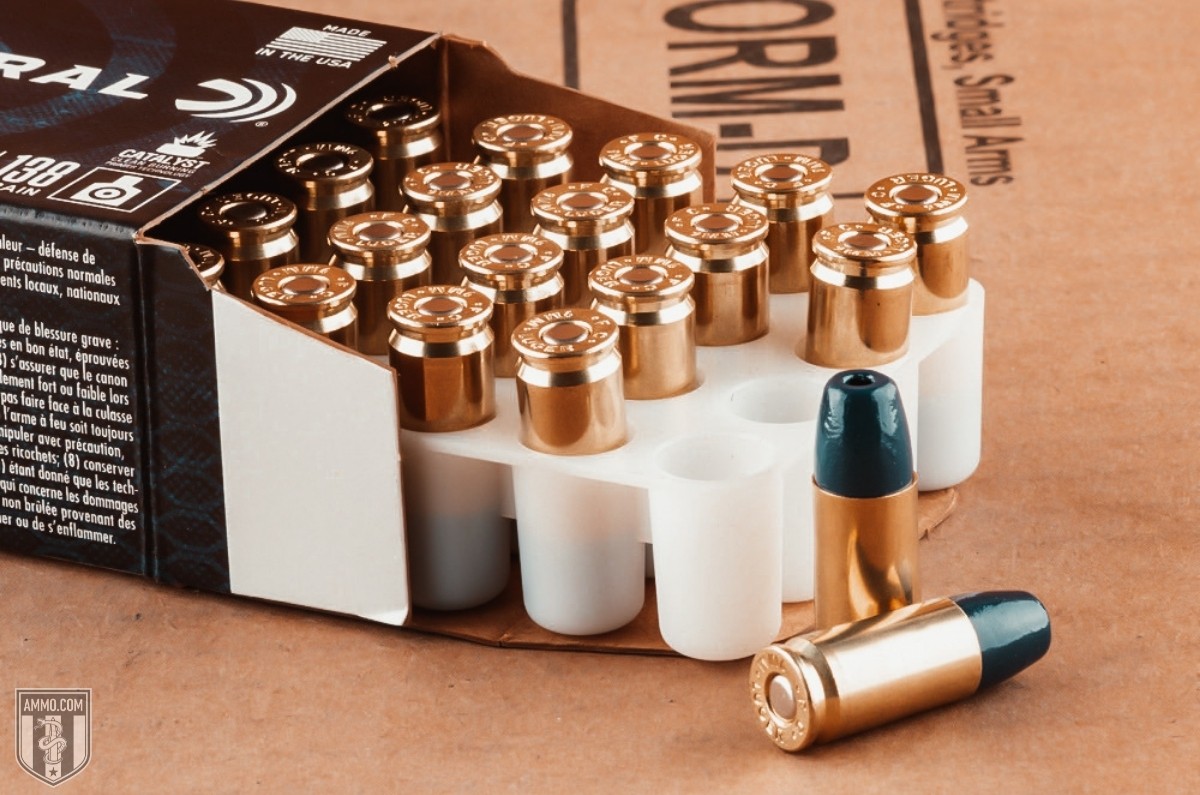
The world of firearms encompasses a myriad of calibers, each with its unique characteristics, applications, and lore. Among these, the 9mm caliber stands apart as a perennial favorite among enthusiasts, law enforcement, and military personnel alike. Yet, a subtle conundrum persists in this numerical realm: the distinction between 9mm Luger and 9mm NATO. While these terms are often used interchangeably, a closer inspection reveals a tapestry of historical, technical, and practical nuances that inspire fascination. This article delves into the intricacies separating 9mm Luger from 9mm NATO, navigating through their specifications, performance, applications, and the underlying reasons for their enduring appeal.
1. Historical Context
The saga of 9mm begins in the early 20th century with the design of the 9mm Parabellum, known as 9mm Luger. Developed by Georg Luger in 1902, this cartridge was initially crafted for the German Army and quickly gained traction worldwide. The origin of 9mm NATO traces back to the post-World War II era when NATO standardized ammunition specifications to ensure interoperability among member nations. Thus, 9mm NATO was formalized to meet military performance requirements, diverging from the civilian-oriented 9mm Luger while retaining the same caliber designation.
2. Technical Specifications
Understanding the specifications of these cartridges is pivotal. Both cartridges share the same bullet diameter—0.355 inches (9.0mm)—yet their overall dimensions and intended uses differ. The 9mm Luger cartridge typically measures 0.754 inches in length, featuring a case length of 0.394 inches. In contrast, the 9mm NATO version sports a slightly longer case, generally measuring around 0.004 inches longer than its Luger counterpart. This difference in length contributes to variations in chamber pressure, with NATO cartridges designed to withstand higher pressures, often reaching up to 36,000 psi compared to Luger’s more civilian-friendly 35,000 psi.
3. Ballistics
Exploring the ballistic performance reveals yet another frontier of distinction. While both cartridges can deliver impressive velocities—typically ranging from 1,100 to 1,200 feet per second—the 9mm NATO often edges out with its hotter loadings. This translates to greater muzzle energy, making it preferable for military applications where stopping power is paramount. However, the increased pressure and velocity may affect the recoil dynamics and shootability for novice users. As such, discerning shooters may opt for Luger for practice sessions and everyday carry.
4. Ammunition Design
The design philosophy of ammunition also plays a critical role. 9mm Luger ammunition is available in diverse configurations, catering to a wide audience of competitive shooters, law enforcement, and self-defense enthusiasts. These cartridges often prioritize expansion and accuracy, featuring hollow-point designs. Conversely, 9mm NATO is primarily manufactured to military specifications, typically employing full-metal-jacket (FMJ) bullets designed for reliability and penetration. This distinction underscores the intended usage for each cartridge, effectively informing purchasing decisions for both casual and professional shooters.
5. Compatibility and Firearm Considerations
Compatibility is a significant concern for firearm owners. While many guns that chamber 9mm Luger can safely fire 9mm NATO ammunition, caution is advised. Due to the higher pressure associated with NATO rounds, using them in firearms not rated for such stress can result in wear and potential malfunction. Conversely, 9mm Luger is safer to use in most modern 9mm handguns, providing the versatility that many users seek. This interplay highlights the necessity of understanding the capabilities and limitations of one’s firearm.
6. Availability and Cost
The availability and cost of ammunition can shape the shooter’s experience significantly. 9mm Luger is ubiquitous across sporting goods stores and online retailers, benefitting from robust civilian demand. In contrast, 9mm NATO often sees less commercial availability, primarily produced for military contracts. As a result, surplus military ammo is sometimes available at attractive prices, but scarcity issues could surface, influencing buyer decisions. Enthusiasts often find themselves pondering the best mix of cost and performance when selecting between the two.
7. Popular Applications
When considering applications, the diverging trajectory of these cartridges becomes evident. The 9mm Luger shines in competitive shooting, self-defense, and law enforcement, due to its manageable recoil and diverse selection of bullet types. Conversely, the 9mm NATO sees a strong foothold in military and tactical environments, where durability and performance under duress become paramount. Each round has woven its narrative into the fabric of firearms culture, reflecting the diverse needs of shooters globally.
8. The Fascination Behind the Numbers
The allure of the 9mm caliber lies not only in its technical specifications but also in its storied past. The cartridge’s evolution mirrors technological advances in firearms and tactical environments through the decades. Each iteration, be it Luger or NATO, has shaped military strategy, personal defense, and competitive shooting landscapes, fueling continuous interest among aficionados. The quest for mastery, accuracy, and the ultimate shot drives moral and ethical engagements among firearm enthusiasts.
9. Final Reflections
The distinction between 9mm Luger and 9mm NATO illuminates a complex interplay of history, design, and utility. Understanding their differences allows shooters not only to choose the appropriate ammunition but also fosters a deeper appreciation for the craftsmanship behind each round. As enthusiasts delve into the world of 9mm cartridges, they uncover a rich tapestry spun from necessity, innovation, and human ingenuity. In the end, whether one identifies with the classic Luger or the robust NATO, the fascination with the 9mm caliber remains a testament to its enduring legacy in the firearms community.











Leave a Comment