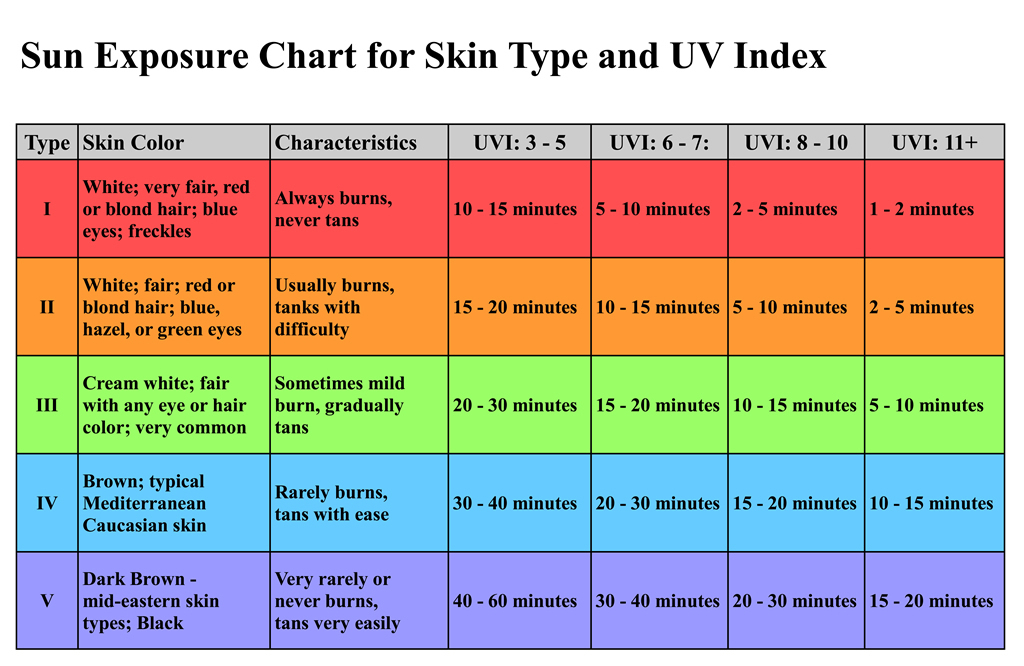
The quest for the perfect tan has captivated countless sun-seekers over the years. However, achieving this golden hue is not merely about basking in the sun; it requires an understanding of the Ultraviolet (UV) Index, which serves as a beacon of guidance in the tanning journey. The UV Index provides essential information about the strength of the sun’s UV radiation and, consequently, the potential for skin damage. This comprehensive guide will delve into the intricacies of the UV Index for tanning, illuminating its implications for achieving a safe and stunning tan.
Understanding UV Radiation
Before exploring the UV Index, it’s crucial to comprehend the types of UV radiation that impact our skin. UV radiation is predominantly categorized into three types: UVA, UVB, and UVC. While UVC rays are mostly absorbed by the Earth’s atmosphere and do not reach the surface, UVA and UVB rays pose significant risks. UVA rays penetrate deeply into the skin, leading to premature aging and skin cancers, while UVB rays primarily cause sunburn. Both types play a role in the tanning process, albeit with differing outcomes and risks.
Deciphering the UV Index
The UV Index is measured on a scale from 0 to 11+, with higher numbers indicating increased potential for skin damage. A brief breakdown is essential for proper understanding:
- 0-2 (Low): Minimal precautions are necessary. Standard sun protection is sufficient for extended outdoor activities.
- 3-5 (Moderate): Sun protection is advisable. Wearing sunglasses and protective clothing is recommended during midday hours.
- 6-7 (High): Additional caution is required. Direct sun exposure should be minimized between 10 AM and 4 PM.
- 8-10 (Very High): Take all precautions necessary. Protective measures are crucial, as skin can burn quickly.
- 11+ (Extreme): Extreme caution is mandated. All outdoor activities should be approached with robust sun protection strategies.
Optimal Tanning Conditions
With the UV Index decoded, one can better assess the optimal conditions for tanning. Generally, a UV index of 3 or higher is deemed suitable for tanning, as these levels impart sufficient UV rays necessary for melanin production—the skin’s natural tanning agent. However, it’s paramount to tread with caution and adhere to protective measures to mitigate the risk of sunburn and long-term skin damage.
Timing Is Everything
Tanning is intricately linked to the time of day. The sun’s UV radiation varies throughout the day. Typically, UV radiation peaks between 10 AM and 4 PM, making it the most effective time for tanning. However, these hours also correspond to the highest risk of skin damage. Therefore, aiming for early morning or late afternoon sun exposure may yield a safer tanning experience while still achieving the desired result.
Factors Influencing UV Exposure
Several factors can influence exposure to UV rays beyond the UV Index. These include:
- Geographic Location: Proximity to the equator significantly increases UV radiation intensity.
- Altitude: Higher elevations expose individuals to more UV radiation due to thinner atmosphere.
- Weather Conditions: Overcast skies do not completely negate UV exposure, as up to 80% of UV rays can penetrate clouds.
- Reflective Surfaces: Surfaces such as water, sand, and snow can reflect UV rays and intensify exposure.
Effective Sun Protection Strategies
While the allure of a deep tan is undeniable, the importance of sun protection cannot be overstated. Here are several strategies to safeguard your skin while achieving that coveted glow:
- Broad-Spectrum Sunscreen: Employ a high-SPF, broad-spectrum sunscreen that protects against both UVA and UVB rays. Reapply every two hours or immediately after swimming or sweating.
- Protective Clothing: Don UV-protective clothing, wide-brimmed hats, and sunglasses to shield your skin and eyes from harmful rays.
- Shade Awareness: Seek shade when the sun is at its peak, especially during high UV index periods.
- Hydration: Stay hydrated, as sun exposure can lead to dehydration, exacerbating the negative impacts of excessive tanning.
Post-Tanning Care
After basking in the sun, post-tanning care is essential to nourish and protect the skin. Consider the following for optimal skin recovery:
- Aloe Vera: Use aloe vera gel to soothe sun-exposed skin and combat potential inflammation.
- Moisturizers: Apply rich moisturizers to replenish lost moisture from the skin due to sun exposure.
- Hydration: Continue to drink water post-tanning to maintain skin hydration and support recovery.
Conclusion
Embarking on a tanning journey involves much more than simply lying in the sun; it is a multifaceted endeavor that necessitates a discerning approach to UV exposure. The UV Index serves as a pivotal guide, helping sun-seekers navigate the complexities of UV radiation effectively. With informed practices and meticulous care, individuals can achieve a beautiful tan while safeguarding their skin’s health for years to come. Embracing a thoughtful methodology in tanning not only allows for aesthetic pleasure but also fosters a responsible relationship with the sun.









Leave a Comment