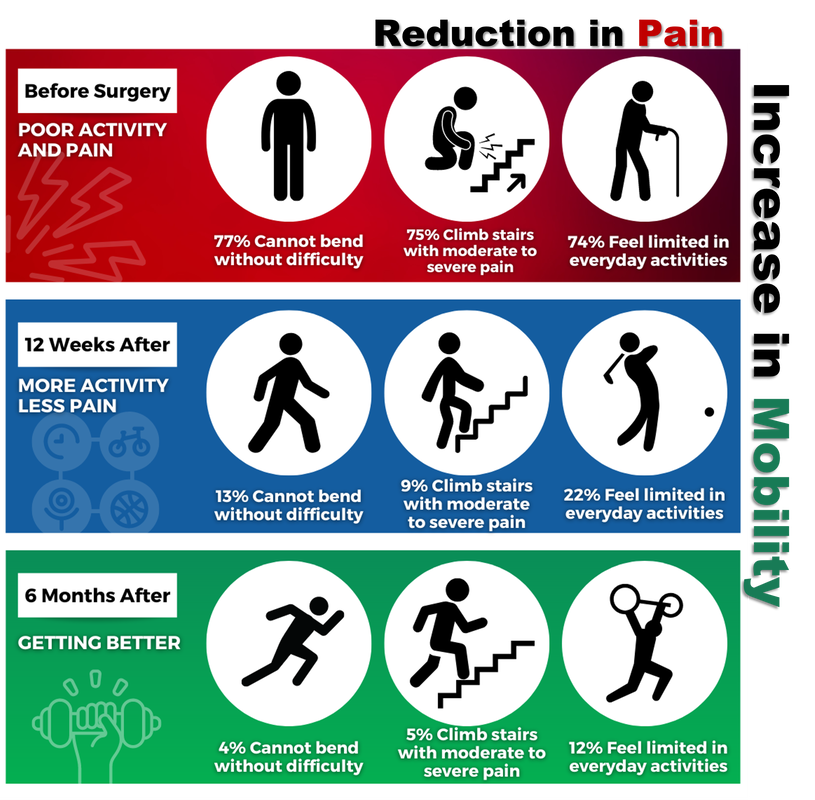
As we advance in age, certain mechanical components of our body may wear down—much like a car that has been driven for years. Among the most vital joints in our body is the hip joint, which plays a crucial role in our mobility. Understanding when it’s time to consider a hip replacement is essential for maintaining a quality life. This guide evaluates specific indicators that may suggest you need a hip replacement and provides a comprehensive overview for your reference.
1. Chronic Pain: The Lingering Companion
Chronic hip pain is often the first and most telling sign that a hip replacement may be necessary. If pain persists for six months or longer despite conservative treatments such as physical therapy, medications, or cortisone injections, consult with your physician. This discomfort could inhibit daily activities, including walking, climbing stairs, or even resting. Remember, pain can manifest in various forms—sharp, throbbing, or aching. Documenting these experiences can be helpful for your healthcare provider.
2. Decreased Range of Motion: Restricted Movement
Another pivotal indicator is a noticeable decline in your range of motion. If you find it increasingly difficult to achieve movements you once performed effortlessly, this limitation can be a strong indicator that the hip joint is deteriorating. Tasks like putting on shoes or getting in and out of a car may become insurmountable challenges. This reduction in flexibility often accompanies osteoarthritis or other degenerative joint diseases, making it vital to keep an updated log of your mobility challenges.
3. Stiffness: Morning Malady
Waking with stiffness in the hip joint is not simply a sign of aging. If stiffness persists throughout the day or becomes more pronounced after periods of inactivity, it could signify underlying issues requiring intervention. Many patients describe feeling “frozen” upon arising, struggling to regain normal movement without a lengthy warm-up. This symptom is particularly relevant in the first moments of waking or after prolonged sitting.
4. Swelling and Inflammation: The Hidden Culprit
Swelling around the hip joint can indicate inflammation, which often accompanies cartilage breakdown. In some cases, you might notice visible swelling, while in others, the discomfort might manifest without overt signs. If swelling is persistent and does not improve with rest and over-the-counter medications, it’s time to seek medical guidance to assess the underlying causes and discuss surgical options.
5. Difficulty with Balance: A Compromised Stability
Maintaining balance is essential for mobility, especially as we age. If you find yourself stumbling or feeling unsteady, your hip may be a contributing factor. Weakness in the hip can affect overall stability, leading to a fear of falls. These feelings of insecurity can result in a more sedentary lifestyle, further aggravating the hip condition. Consider documenting episodes of unsteadiness to determine if there’s a pattern that warrants further investigation.
6. X-ray and MRI Findings: Diagnostic Verification
While subjective symptoms are critical, objective findings from medical imaging are paramount. X-rays or MRI scans may reveal joint deterioration, bone spurs, or loss of cartilage. If your imaging results indicate substantial degenerative changes or if your physician finds significant damage, it may be time to discuss the possibility of hip replacement surgery. Imaging provides a more comprehensive visualization of the structural integrity of your hip joint.
7. Impact on Quality of Life: A Matter of Priorities
Assessing the overall impact of hip pain on your daily life is crucial. If pain, stiffness, or decreased mobility hinder your passions—whether it’s playing with grandchildren, walking your dog, or simply enjoying a casual stroll—these factors may outweigh the risks associated with surgery. Quality of life should be a central focus in discussions of potential hip replacement; no one should endure suffering unnecessarily.
8. Unsatisfactory Response to Conservative Treatments: Exploring Options
For many, conservative treatment options may suffice for an extended period. However, if common approaches—physical therapy, anti-inflammatory medications, lifestyle modifications—fail to provide significant relief, it could signal that the joint is extensively damaged. This ineffectiveness serves as a critical juncture in exploring surgical options for pain relief.
9. Age and Activity Level: Individual Considerations
Age plays a multifaceted role in the decision-making process regarding hip replacement. Generally, active individuals suffering from hip degeneration may require earlier intervention than less active patients. Moreover, younger patients may also seek surgery sooner, given their desire to maintain an active lifestyle. How you envision your future mobility should heavily influence discussions with your orthopedic surgeon.
10. Discussing with Your Healthcare Team: The Final Step
Ultimately, the decision to proceed with a hip replacement should not rest solely on your own assessment. It’s imperative to engage in an open dialogue with your healthcare provider. They can offer insights and personalized recommendations based on a comprehensive evaluation of your symptoms, imaging results, and lifestyle considerations. This collaborative approach ensures that all factors are considered before making a monumental decision for your health.
In conclusion, recognizing the signs that warrant a hip replacement involves a combination of subjective experiences and objective evaluations. Chronic pain, decreased range of motion, morning stiffness, persistent swelling, and balance difficulties all contribute to the decision-making process. As you navigate this journey, remember that maintaining an open line of communication with your medical team is essential. Only through a thorough understanding of your options can you make informed decisions that prioritize your health and well-being.











Leave a Comment