Are you dreaming of a perfect smile but cringing at the thought of unsightly braces? You’re not alone. Many people seek alternatives to traditional orthodontics for a variety of reasons, including aesthetics, discomfort, or simply a desire for a less invasive approach. So, how can you successfully straighten your teeth without these metal marvels? Let’s delve into some intriguing options that may just surprise you!
Before diving into specific methods, it’s important to acknowledge the challenge that comes with teeth straightening. Each alternative might require a significant commitment from you, both in terms of time and discipline. Are you ready to embrace the journey to a straighter smile, without the typical orthodontic embrace? Here’s a comprehensive guide to explore your options.
1. Clear Aligners
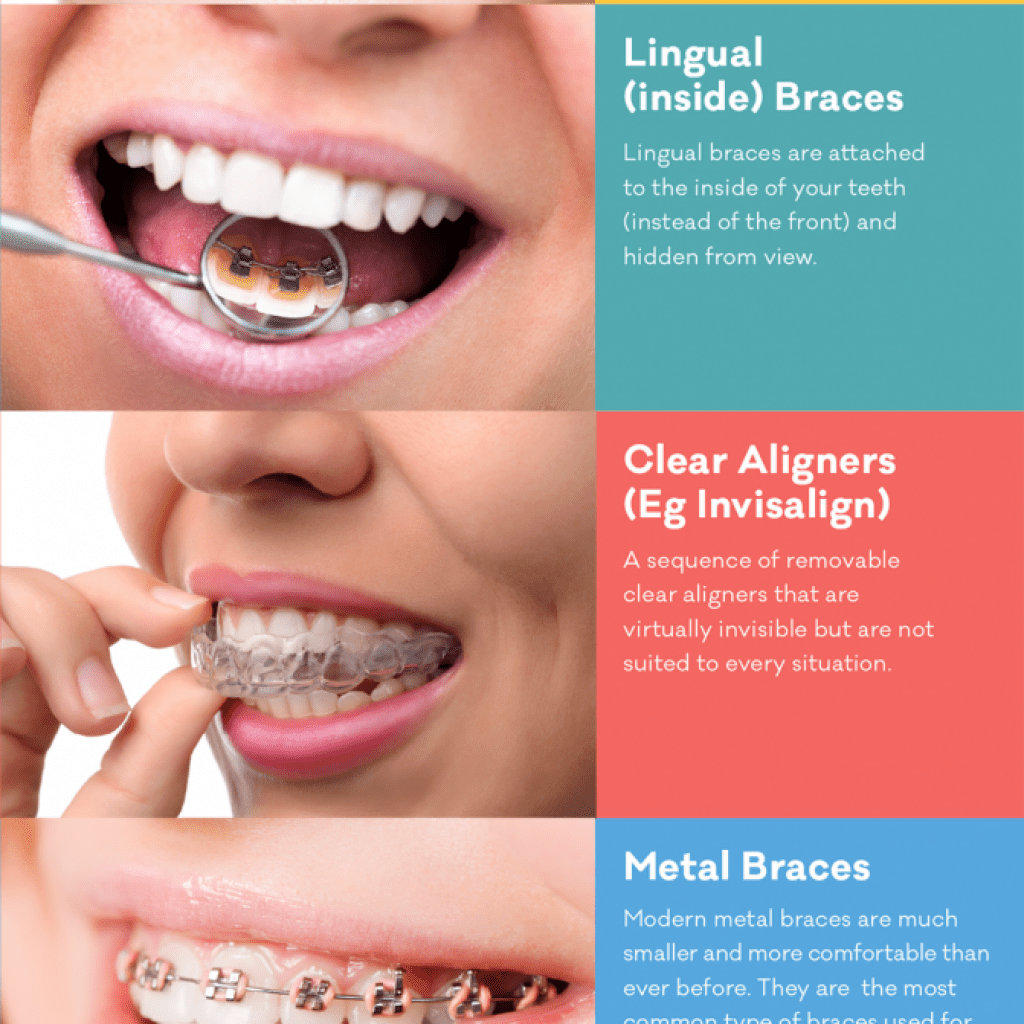
Clear aligners, such as Invisalign, have revolutionized the world of orthodontics. These custom-molded trays are designed to gradually move your teeth into the desired position. Unlike traditional braces, clear aligners are virtually invisible, making them a popular choice for adults and teenagers alike.
- Customization: A dental professional takes impressions of your teeth to create a personalized treatment plan.
- Flexibility: Clear aligners can be removed during meals, allowing for uninterrupted eating and dental hygiene.
- Comfort: Made from smooth plastic, they are generally more comfortable than metal brackets and wires.
2. Dental Bonding
If your teeth are uneven or have small gaps, dental bonding can provide a non-invasive way to enhance their appearance. This procedure involves applying a tooth-colored resin to the teeth, which can be shaped and polished to create a uniform look.
- Quick Fix: The bonding process can often be completed in a single visit.
- Temporary Solution: While effective, bonding may not be as long-lasting as other options.
- Versatile Application: Besides reshaping, bonding can also cover chips, cracks, or discoloration.
3. Cosmetic Contouring
For those who wish to make subtle adjustments to their smile, cosmetic contouring may be a worthy option. This technique involves reshaping the teeth by removing small amounts of enamel to create a more uniform appearance.
- Minimal Discomfort: The procedure is painless and can often be performed without anesthesia.
- Limited Changes: Ideal for minor discrepancies rather than drastic orthodontic corrections.
4. Retainers
Retainers are typically used post-orthodontic treatment but can also serve as a mild straightening tool. If your teeth have minor misalignments, a custom retainer may gradually shift them into better alignment.
- Post-Op Utility: Retainers are essential for preserving the results achieved by braces or aligners.
- Less Visibility: Similar to aligners, retainers, especially the clear versions, are discreet.
5. Teeth Shaping with Veneers
Veneers present another captivating avenue for transforming your smile. These thin shells of porcelain or composite are bonded to the front of your teeth, camouflaging imperfections, gaps, or misalignments.
- Immediate Results: Veneers can create a stunning smile in a few visits.
- Durability: When properly maintained, veneers can last for over a decade.
- Enamel Removal: A small amount of enamel may need to be removed for a proper fit, making this an irreversible option.
6. Orthodontic Appliances
Devices like expanders or headgear may be suggested for those with specific dental issues. Although they might sound archaic, these appliances can correct dental positioning without traditional braces.
- Long-term Planning: They tend to be more effective in younger patients whose jaws are still developing.
- Compliance Needed: These appliances require consistent wear for maximum effectiveness.
7. Natural Remedies
While these methods may not be as effective as professional treatments, some natural remedies claim to promote teeth straightening in a less direct manner. This includes exercises for your jaw and the use of certain foods.
- Jaw Exercises: Engaging in specific movements may help strengthen jaw muscles and encourage a natural alignment.
- Diet Considerations: Chewing on crunchier foods helps in maintaining dental health and may promote slight shifts over time.
8. Regular Dental Visits
Lastly, never underestimate the power of routine dental check-ups. Frequent visits to your dentist not only help maintain oral hygiene but also provide an opportunity for early detection of potential alignment issues.
- Monitoring Progress: Regular evaluations can track any significant changes or improvements.
- Treatment Adjustments: Your dentist can modify your approach as needed based on your evolving dental landscape.
In conclusion, while braces have long been the traditional method for achieving a straight smile, there are numerous alternatives available. Each approach presents its own unique set of benefits and challenges, but the ultimate decision should align with your personal needs and lifestyle. Are you ready to embark on this intriguing journey towards the smile you’ve always dreamed of? It’s time to explore these options and choose what works best for you!










Leave a Comment