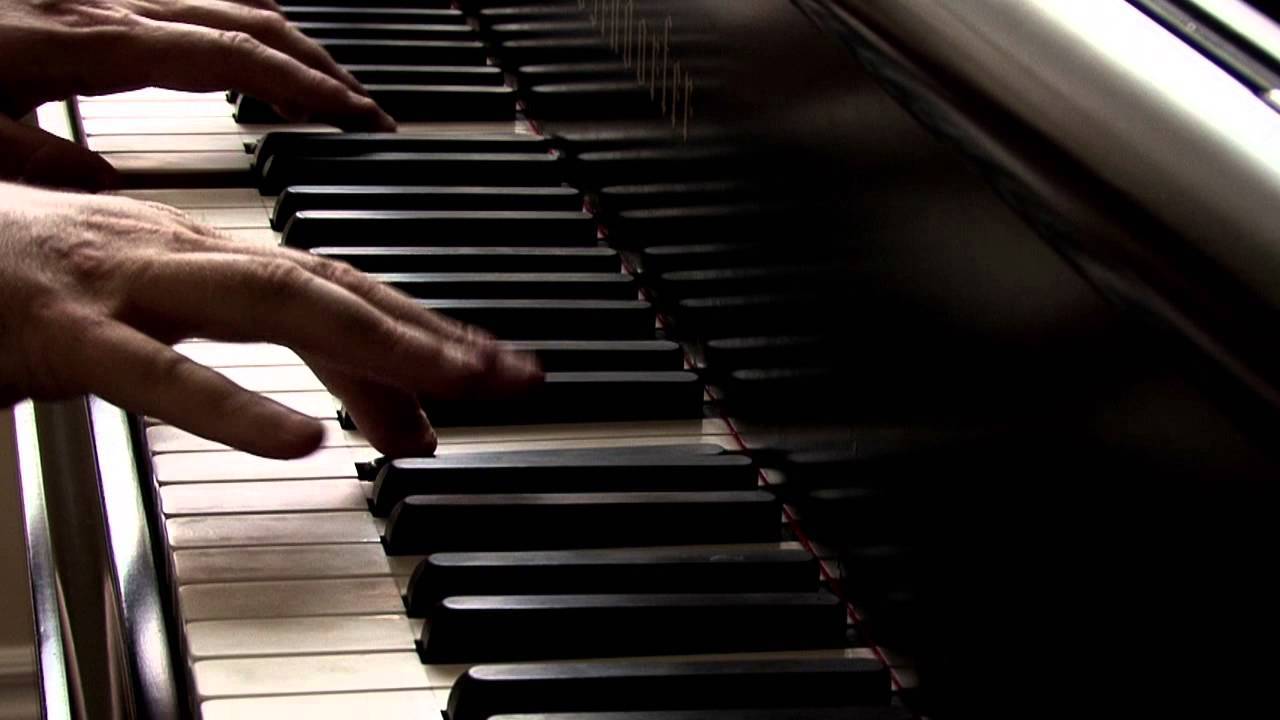
Embarking on the journey to play classical music on the piano is akin to setting sail on an uncharted sea; the vastness of time-honored compositions awaits the intrepid voyager. The piano, often regarded as the modern-day orator, breathes life into the echoes of composers past, transforming the written notes into expressive narratives that resonate profoundly with the listener. This guide serves as a compass for beginners and seasoned musicians alike, illuminating the steps necessary to master this intricate and captivating art form.
1. Cultivate the Right Mindset
Before dipping your toes into the ocean of classical music, it is crucial to foster the proper mindset. Embrace the notion that playing classical pieces is not merely a task but an exploration of emotion and storytelling. Classical music, with its multifaceted layers, invites introspection and connection. As you prepare to learn, allow yourself to be a vessel of expression, ready to channel the profound intellect of composers like Bach, Mozart, and Chopin.
2. Understand the Basics of Piano
Like a painter mastering techniques before creating a masterpiece, you must first grasp the fundamentals of the piano. Familiarize yourself with:
- Keys and Notes: The piano consists of 88 keys, each corresponding to a specific note. Understanding the layout and nomenclature of these keys is paramount.
- Staff Notation: Musical notation is the language of music. Learn how notes are represented on the staff, enabling you to decipher sheet music effectively.
- Technique: Proper finger positioning and hand movements are essential for fluency in playing. Warm-up exercises can enhance dexterity and strengthen muscle memory.
3. Select Your Repertoire
The choice of repertoire can shape your journey. The romantic depths of Chopin, the structural precision of Bach, or the exquisite elegance of Schubert can all serve different emotional palettes. To help you decide:
- Consider Your Skill Level: Start with simpler pieces and gradually advance to more complex compositions. The works of Beethoven may serve as a bridge, juxtaposing simplicity with emotional depth.
- Explore Personal Resonance: If a piece stirs something within you, it’s worth including in your repertoire. The connection to the music will enhance your performance significantly.
- Diversity of Styles: Don’t confine yourself to one era. Experiment with Baroque, Classical, Romantic, and Modern styles to enrich your musical palette.
4. Master the Art of Reading Music
A pianist without the ability to read music is like a poet devoid of words. To interpret classical pieces, one must become proficient in reading sheet music. Key components include:
- Time Signatures: Understanding time signatures provides insight into the piece’s rhythmic structure, allowing for a more nuanced interpretation.
- Dynamics and Articulations: Pay attention to the dynamics (loud and soft play) and articulations (styles of playing such as staccato or legato). These elements inform the emotional delivery, inviting listeners into the narrative.
5. Practice Methodically
Deliberate and structured practice is the anchor in your musical voyage. Effective practice strategies include:
- Segmenting Pieces: Break larger works into manageable sections, focusing on one segment at a time until it is mastered.
- Slow Practice: Reduce the tempo to ingrain the mechanics of the piece without faltering. Gradually increase speed as confidence builds.
- Consistent Practice Schedule: Establish a routine that incorporates short, frequent sessions rather than prolonged infrequent bouts. Consistency breeds familiarity.
6. Experiment with Expression
Once the mechanics are second nature, the true artistry of playing emerges. Classical music thrives on emotional expression. Consider how dynamics, tempo variations, and pauses can evoke a range of feelings. Each note bears the weight of a thousand stories; your interpretation is the thread that weaves these stories together. Experiment with different nuances and identify what resonates with you the most.
7. Perform and Share
Like flowers reaching toward the sun, musicians shine best when they share their blooms with the world. Performing, whether for an audience or even friends and family, brings your hard work full circle. It transforms practice into a living expression of art. Seek opportunities to perform, participate in recitals, or collaborate with fellow musicians. The shared energy with an audience can inspire and elevate your musical journey.
8. Continuous Learning and Reflection
The path of a musician is perpetual, much like the ever-rolling tides. Embrace the idea of lifelong learning. Attend masterclasses, study music theory, or explore new genres. Reflect regularly on your progress, celebrating milestones and addressing areas that need improvement. A journal documenting your musical experiences and reflections can serve as a valuable tool in this journey.
In conclusion, embracing classical music on the piano is akin to cultivating a garden, where patience and dedication yield the most resplendent blooms. Each note you play is a brushstroke on the canvas of emotion, a reverberation of centuries of artistic legacy. With practiced hands and an open heart, you will not only perform music but also embody the very essence of the stories interwoven within each composition, allowing classical music to illuminate the world in all its profound beauty.











Leave a Comment